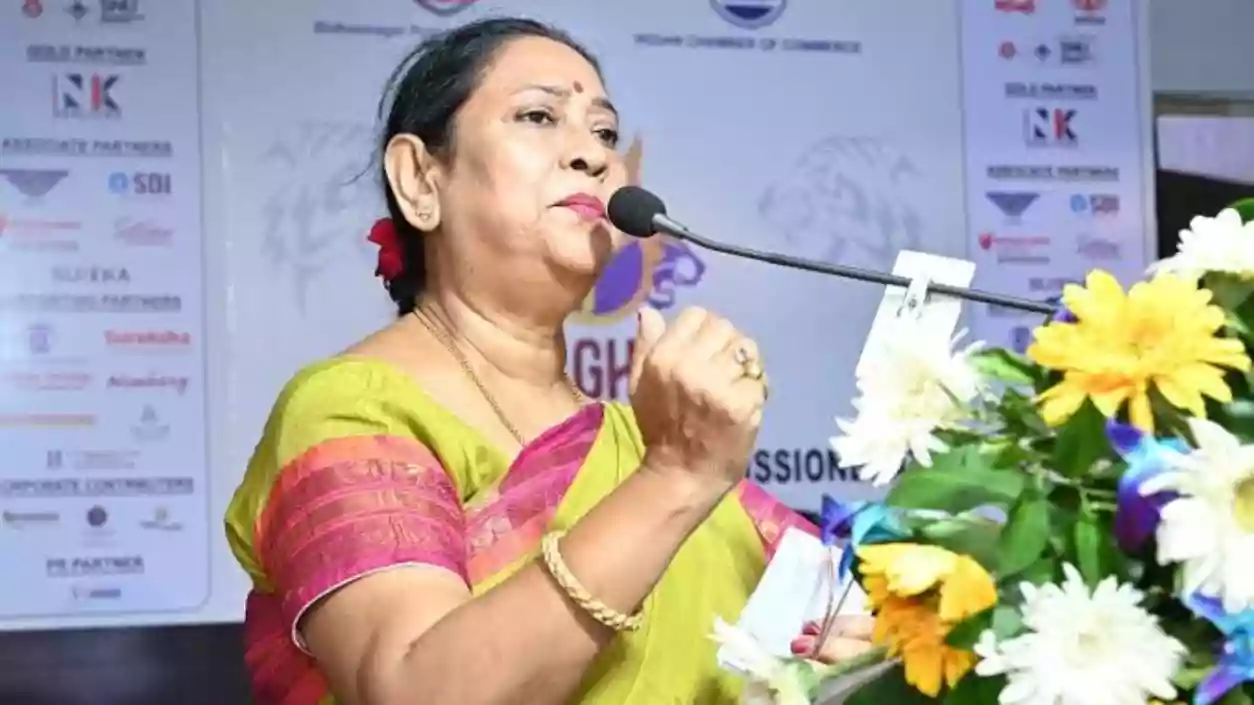
Bidhannagar Mayor Krishna Chakraborty resigns, another massive blow to TMC
.gif)

Download Mobile App 



Telangana techie Mohammed Nizamuddin, 30, shot dead by Santa Clara police in California, USA
From Hyderabad dreams to California nightmare: Nizamuddin's shocking end
Family alleges workplace harassment seeks MEA aid for remains



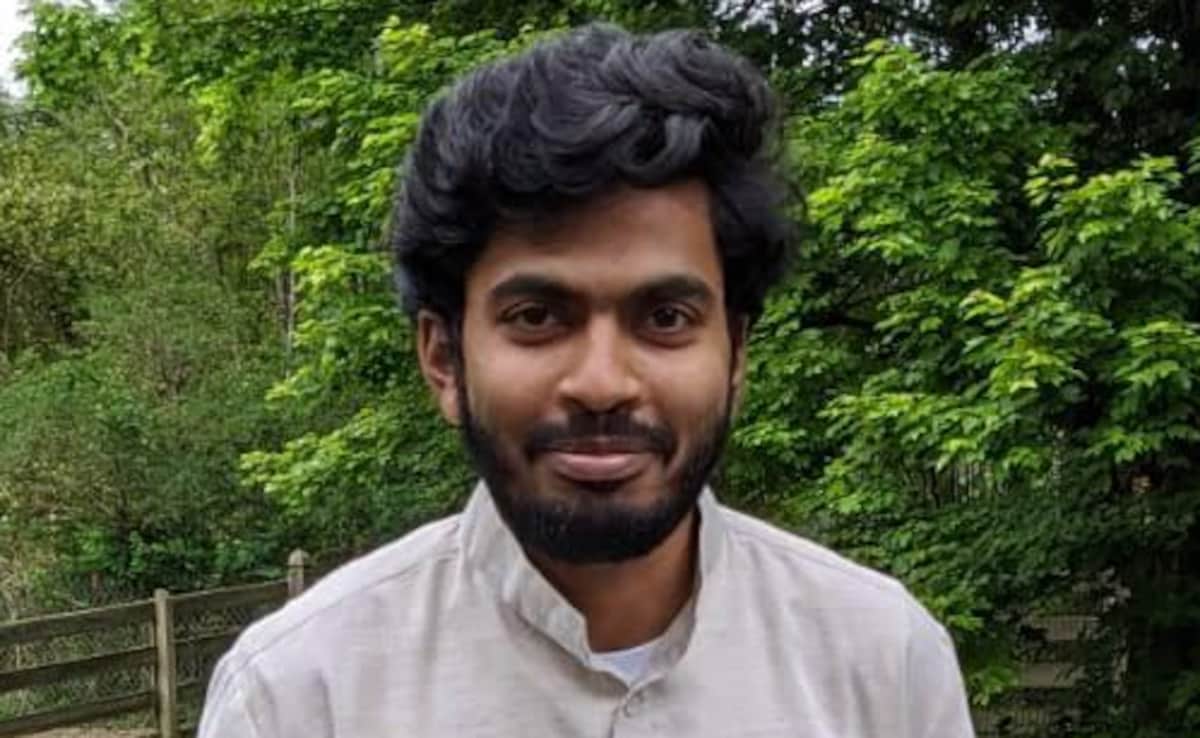
In the gleaming tech corridors of Silicon Valley, where dreams of innovation often collide with the harsh grind of daily life, 30-year-old Mohammed Nizamuddin—a promising software engineer from Mahabubnagar, Telangana—met a tragic end that has shattered his family and sparked urgent questions about workplace stress, roommate tensions, and police protocols abroad. What began as a petty argument over an air conditioner in his shared Santa Clara apartment escalated into violence when Nizamuddin allegedly stabbed his roommate, prompting a frantic 911 call that drew police to the scene.
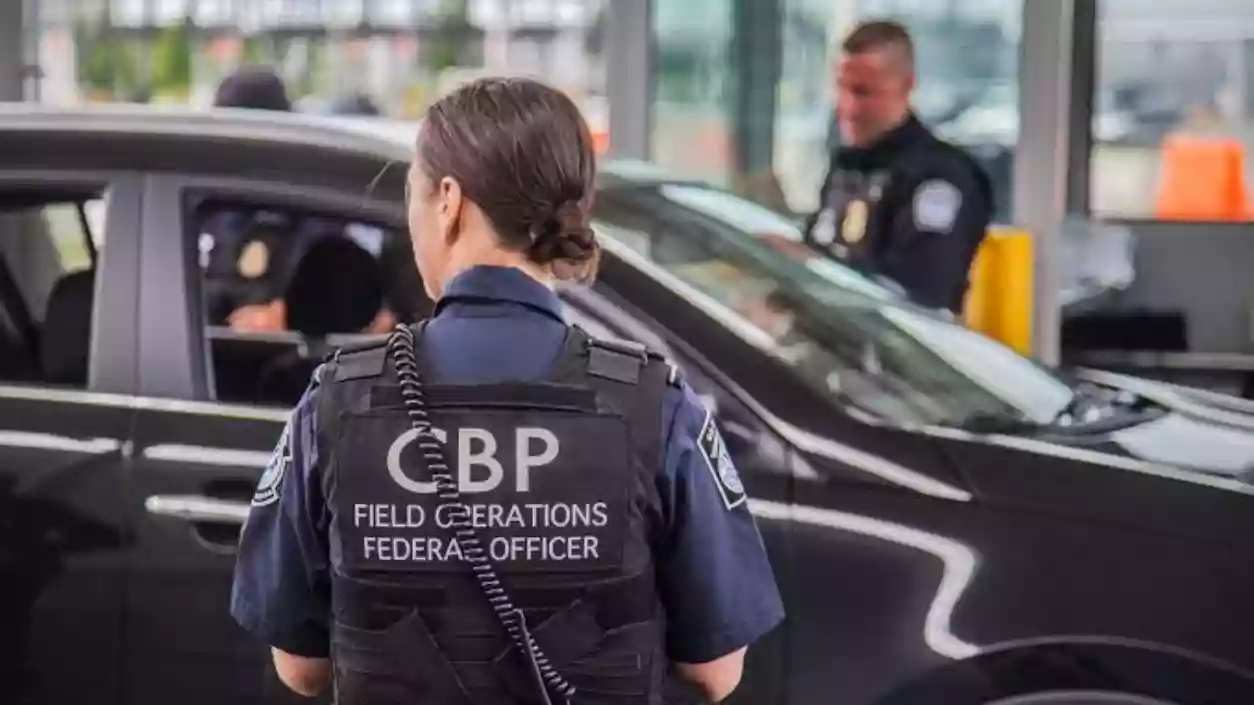
Officers, confronted with a knife-wielding Nizamuddin who reportedly ignored commands to drop the weapon, opened fire in a split-second decision that left him mortally wounded. Rushed to a local hospital, he was pronounced dead shortly after, leaving behind a grieving father in India who learned of the horror only two weeks later through a friend's call. As his family alleges racial harassment at work and demands a deeper probe, this incident underscores the precarious tightrope Indian professionals walk in pursuit of the American dream, blending ambition with isolation far from home.
Nizamuddin's journey to the US was a classic tale of aspiration: leaving Mahabubnagar in 2016 for a Master's in Computer Science at Florida Institute of Technology, he graduated with honors and landed a role at a major tech firm, eventually earning a promotion that relocated him to Santa Clara's buzzing innovation hub. There, in a modest shared apartment, he balanced coding marathons with calls home to his father, Mohammed Hasnuddin, a retired teacher who beamed with pride over his son's progress. But beneath the surface, cracks were forming—friends whisper of workplace bullying that chipped away at his confidence, culminating in a firing six months prior that left him job-hunting and, perhaps, emotionally frayed.
The roommate, described as a fellow resident in his flat, became the flashpoint; their dispute, trivial on the surface, ignited into chaos, with the victim sustaining stab wounds serious enough to require hospitalization but not life-threatening.Santa Clara Police Department's response was swift and, by their account, necessary. The roommate, treated for injuries at a nearby facility, survived and is cooperating with investigators, while the Santa Clara County District Attorney's Office and SCPD launched a joint probe to scrutinize every angle—from de-escalation tactics to potential biases.
Yet, for Nizamuddin's kin, the narrative feels incomplete, laced with suspicions of racial undertones that turned a domestic spat into a deadly confrontation.Back in Mahabubnagar, the news landed like a thunderbolt, ripping through the family's quiet routine. Hasnuddin, voice trembling in interviews, penned a desperate letter to External Affairs Minister S. Jaishankar, pleading for MEA intervention to repatriate his son's remains—still held in a Santa Clara hospital amid bureaucratic formalities—and to unearth the full truth. "I don't know the actual reasons why police shot him dead," he wrote, echoing the confusion that gripped him upon hearing fragments from Nizamuddin's Santa Clara-based friend from Raichur. Majlis Bachao Tehreek spokesperson Amjed Ullah Khan, who visited the family, amplified their call, urging the Indian Embassy in Washington and Consulate in San Francisco to expedite reports and logistics.
For a community that celebrated Nizamuddin's milestones like local festivals, his death feels not just personal but emblematic of vulnerabilities faced by the Indian diaspora.As the investigation grinds on, whispers from Nizamuddin's circle paint a portrait of a man under siege: the job loss, alleged harassment from colleagues who mocked his accent or workload, and mounting pressures in a high-stakes environment where mental health support often lags behind deadlines. A Hyderabad-based friend confided that Nizamuddin had hinted at roommate targeting, petty jabs that festered into resentment. The family, meanwhile, clings to memories of a son who sent remittances with love notes, his laughter echoing in video calls—now silenced, leaving a void that no official statement can fill.In the broader tapestry of Indian lives abroad, Nizamuddin's story is a poignant thread, weaving tales of triumph undercut by tragedy.





 West Bengal
 Bihar
Bihar Uttar Pradesh
 Jharkhand