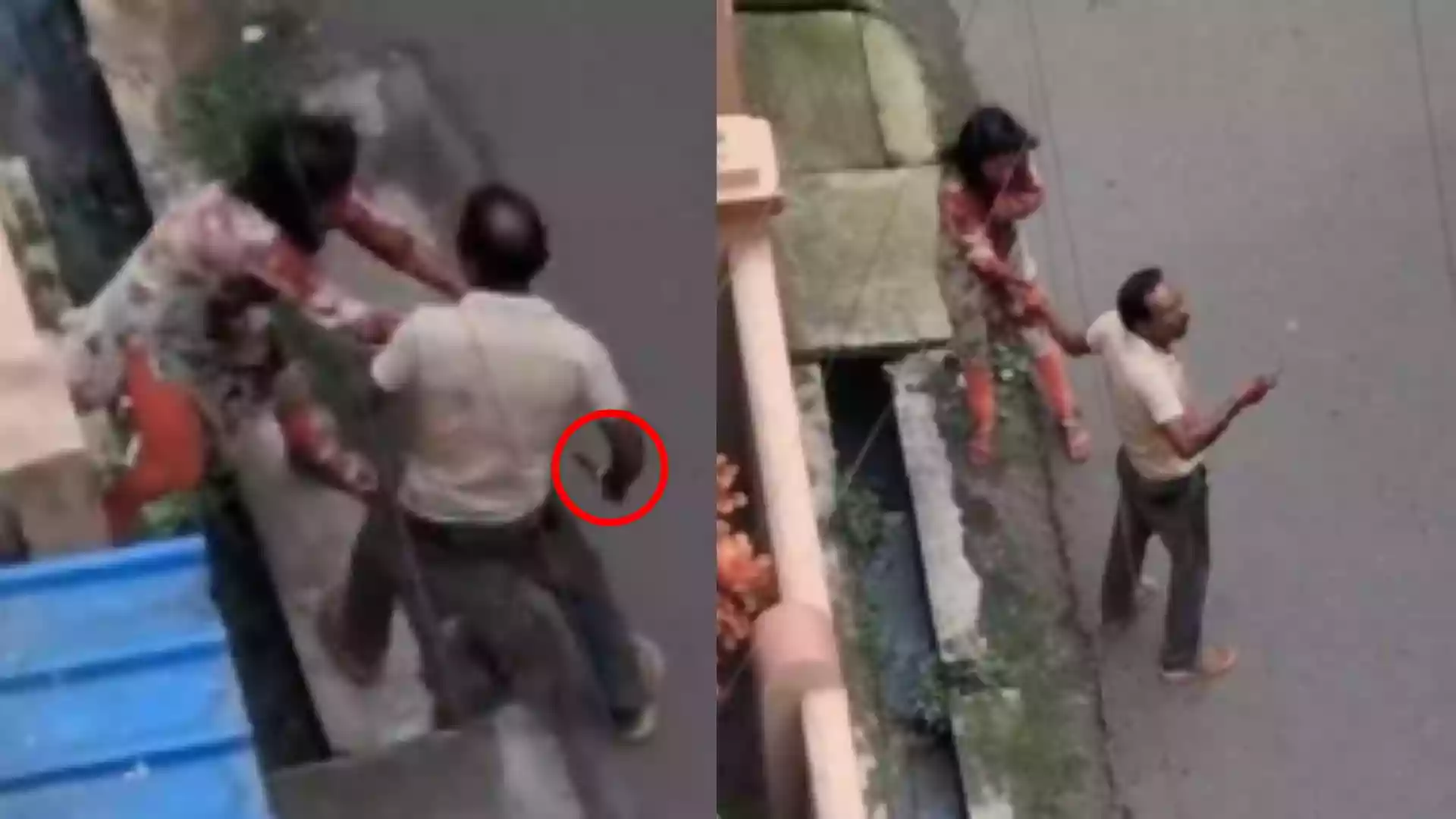
Man stabs girlfriend to death in broad daylight, jabs himself in Panihati
.gif)

Download Mobile App 






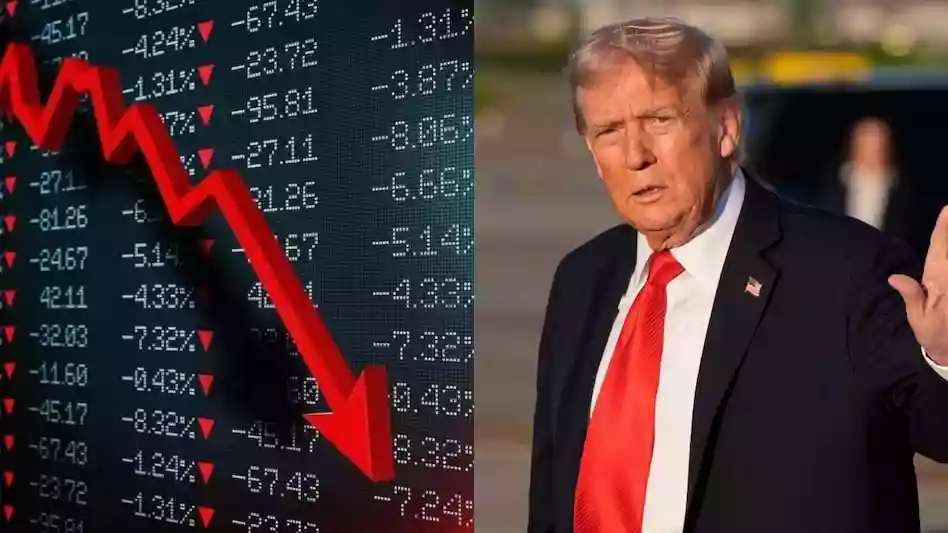
The Indian stock market witnessed a massive crash on Wednesday, with the BSE Sensex plunging over 1,700 points to touch an intraday low of 76,472.78, while the NSE Nifty50 slid below the critical 24,000 psychological level after dropping 438 points. This aggressive selloff wiped out nearly Rs 9 lakh crore in investor wealth, reducing the total market capitalization of all BSE-listed firms to Rs 471 lakh crore. The market panic intensified during afternoon trade following US President Donald Trump’s declaration that the interim ceasefire agreement with Iran had ended, heightening fears of a full-scale military conflict in the Middle East.
The structural breakdown of the market was fueled by surging Brent crude oil prices, which jumped 5% to $78.09 per barrel after the US military launched retaliatory air strikes on 80 Iranian targets following attacks on commercial vessels in the Strait of Hormuz. Back home, market volatility spiked significantly as the India VIX surged 26% to 14.67, indicating heightened systemic fear. The market breadth was overwhelmingly negative with 2,525 stocks declining on the NSE compared to only 694 gainers, led by top losers like Hindustan Unilever, InterGlobe Aviation, Maruti Suzuki, Kotak Mahindra Bank, BEL, and Bharti Airtel, which fell between 2% and 4%.
Adding to the domestic equity pain were weak global cues and macroeconomic pressures, as European indices like FTSE 100 and DAX slid up to 2%, while South Korea’s Kospi plunged 6%. Furthermore, a sharp rise in US 10-year Treasury yields to 4.565% triggered a risk-off sentiment, prompting foreign investors to exit equities in favor of safer fixed-income assets. This capital flight, combined with soaring crude oil import costs, severely battered the Indian currency, driving the rupee to historical lows as it fell 0.6% to breach the 95.50 mark against the US dollar.





.webp)



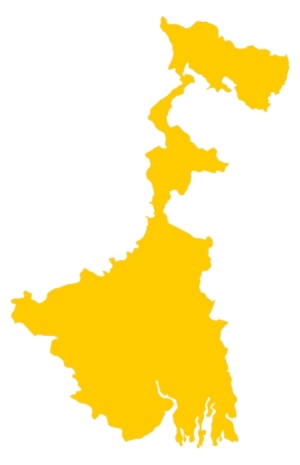 West Bengal
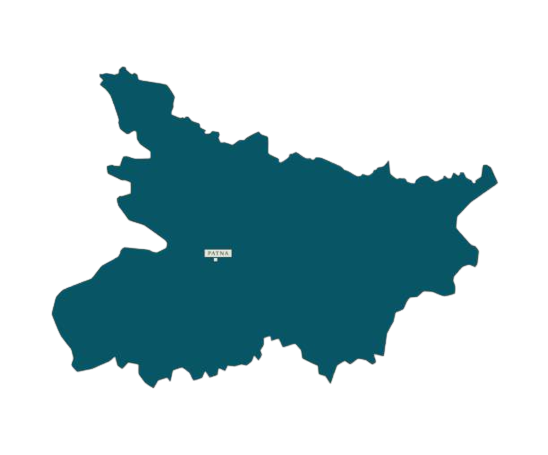 Bihar
Bihar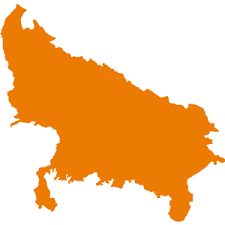 Uttar Pradesh
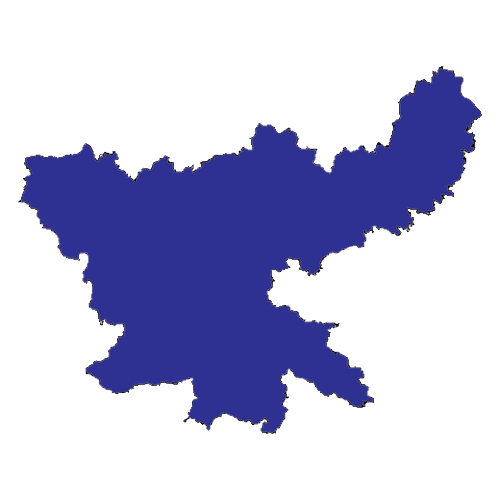 Jharkhand