"Smaller parties shouldn't be prioritized": Sudip Bandyopadhyay hits at TMC
.gif)

Download Mobile App 






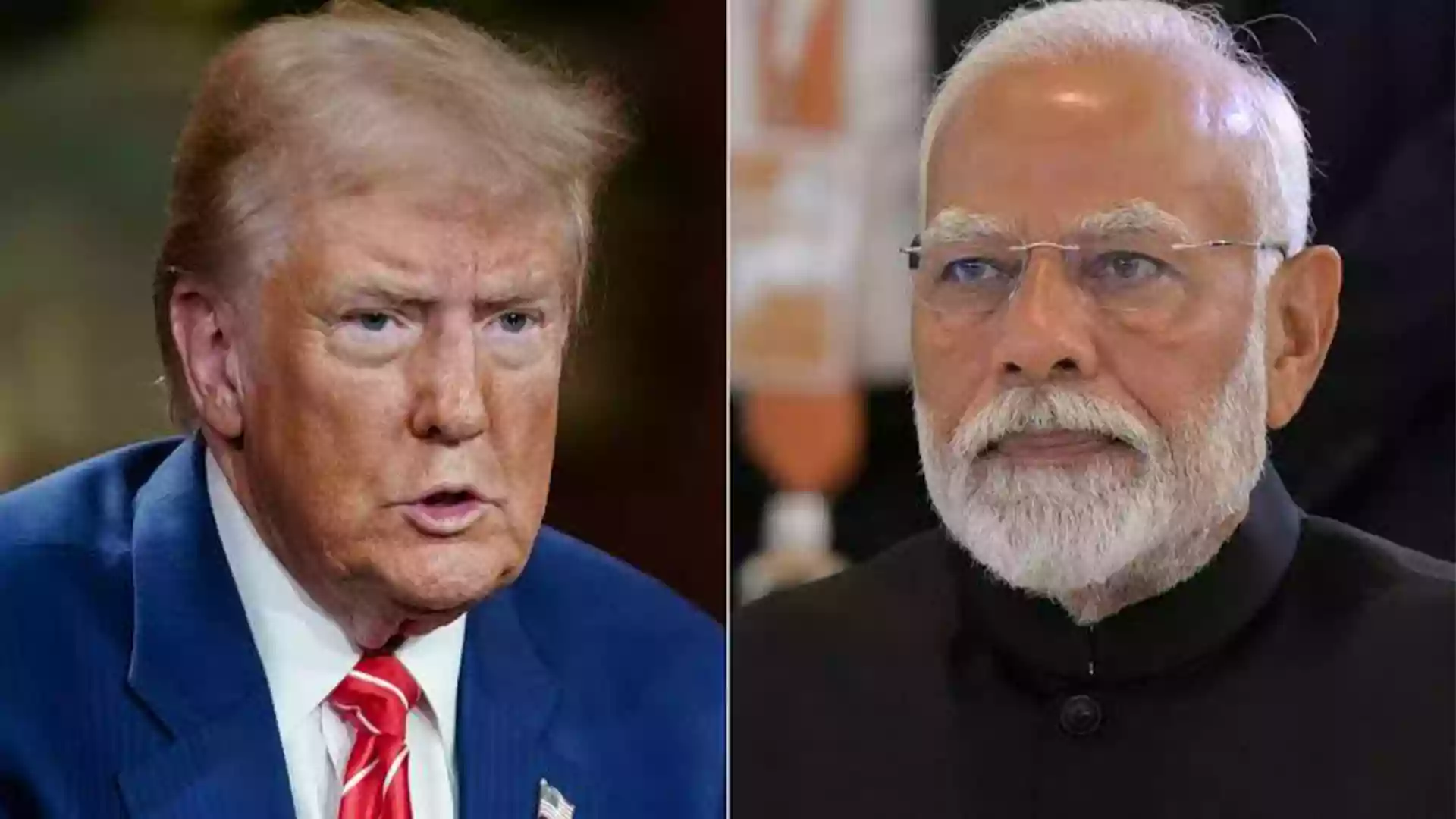
In a fiery exchange today, US President Donald Trump has ramped up pressure on India over its booming imports of Russian crude oil, claims Prime Minister Narendra Modi personally assured him that New Delhi would slam the brakes on the controversial trade. This assertion comes amid escalating US efforts to isolate Russia's energy exports, which Washington views as a lifeline funding Moscow's ongoing war in Ukraine. Trump warns that any denial from India would mean sticking with "massive tariffs" on its exports—already hovering at punishing levels—that could squeeze the Indian economy hard. The back-and-forth highlights the delicate tightrope India walks between securing affordable energy for its consumers and navigating superpower diplomacy in a volatile global market.
Trump's comments echoed a similar claim he made just last week, where he boasted of a phone call with Modi in which the Indian leader allegedly promised to curb Russian oil purchases. "I spoke with Prime Minister Modi of India, and he said he's not going to be doing the Russian oil thing," Trump told media brushing off India's firm rebuttal like yesterday's news. When pressed on New Delhi's insistence that no such conversation happened, he shot back: "But if they want to say that, then they'll just continue to pay massive tariffs, and they don't want to do that." This isn't idle chatter— the US has already slapped a sweeping 50 percent tariff on a wide swath of Indian goods, including a 25 percent penalty specifically tied to dealings with Russia, making it one of the heftiest trade barriers in Trump's arsenal.
India, now the world's top buyer of seaborne Russian oil since Western sanctions kicked in after Moscow's 2022 invasion of Ukraine, has pushed back forcefully. While a White House aide optimistically claimed India has already halved its Russian imports, Indian industry insiders beg to differ, pointing to fresh orders for November shipments that could push volumes up 20 percent this month to 1.9 million barrels per day. Any real dip might not show until December or January, leaving the standoff unresolved and trade tensions simmering as both sides dig in






.webp)
.webp)

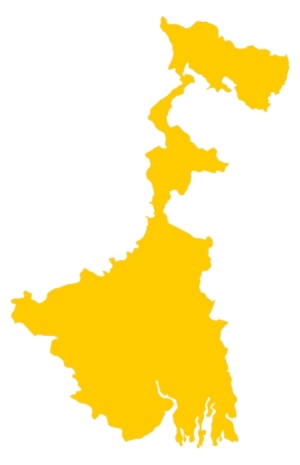 West Bengal
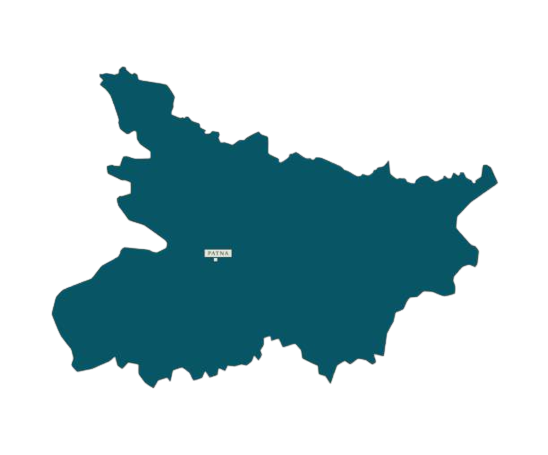 Bihar
Bihar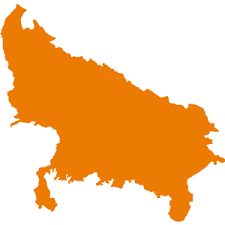 Uttar Pradesh
 Jharkhand