
Dharmendra Pradhan gets hero's welcome at Parliament; NDA MPs raise 'Zindabad' slogans
.gif)

Download Mobile App 






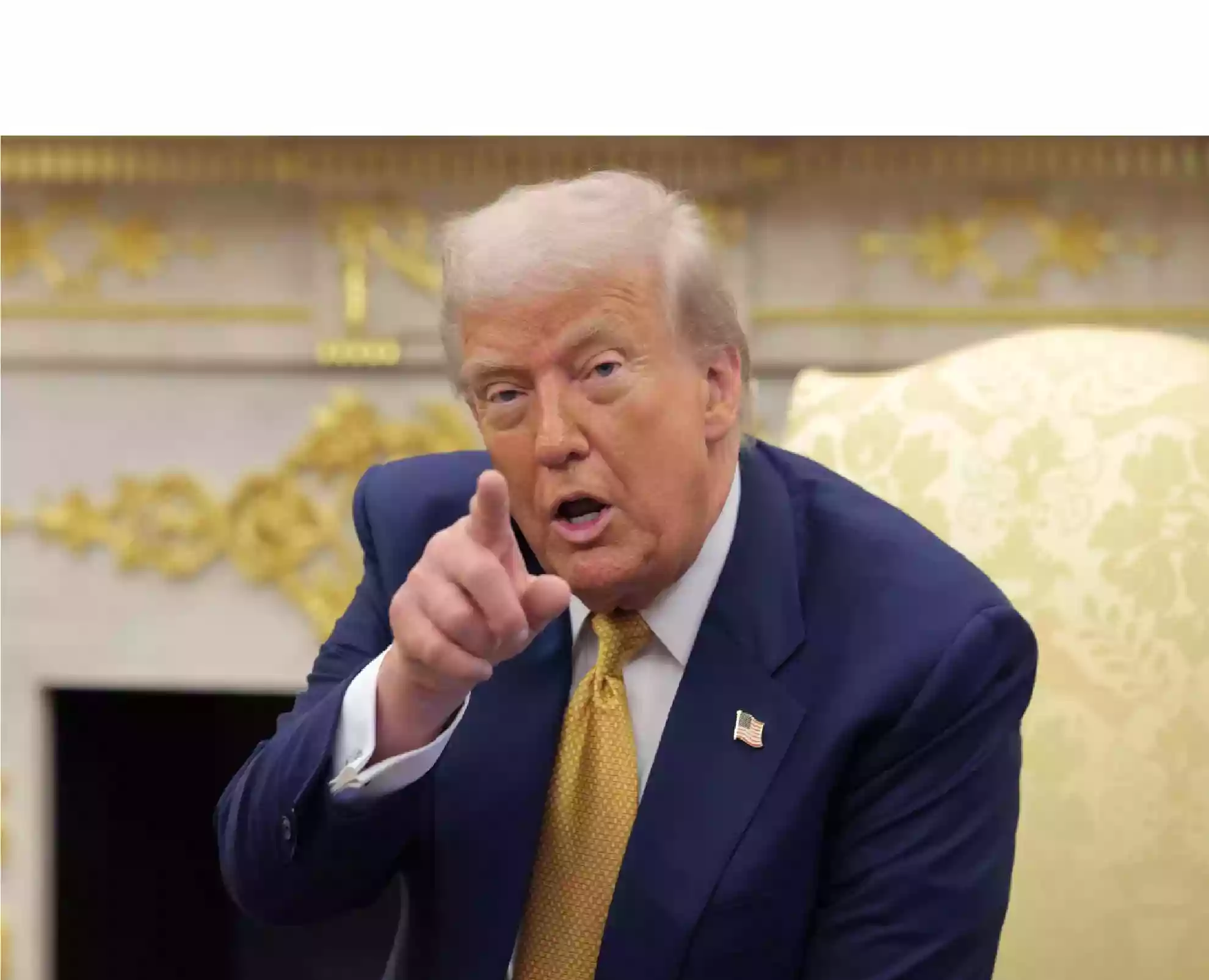
The echoes of President Donald Trump's pen still reverberate through Washington today, as his freshly inked proclamation imposing a $1,00,000 annual fee on H-1B visa applications continues to roil the immigration and tech landscapes, drawing sharp rebukes from industry titans who warn it could cripple U.S. innovation while funneling windfall revenues into federal coffers. Signed amid a White House ceremony alongside Commerce Secretary Howard Lutnick, the measure—coupled with a flashy $1 million "gold card" pathway for affluent investors—targets the H-1B program's alleged abuses, where companies like Amazon and Microsoft snapped up over 20,000 approvals in early 2025 alone, often at wages critics say undercut American talent. "This is about putting Americans first—great people will come, but they'll pay for the privilege," Trump declared, insisting tech giants would embrace the change despite a chorus of dissent painting it as a "talent tax" that risks exporting jobs to cost-friendlier shores like Toronto or Bangalore. As legal eagles circle for challenges and applicants scramble ahead of the March lottery, this bold gambit underscores Trump's unyielding immigration ethos, blending economic protectionism with a pay-to-play twist that's already reshaping global hiring playbooks.The proclamation's mechanics are as audacious as they are intricate, layering the eye-watering fee atop existing $1,500-$4,000 processing costs, potentially totaling $300,000 over a standard three-year visa term, with options for upfront payment or annual installments still under Department of Homeland Security fine-tuning. Directed at curbing "displacement" of U.S. workers—citing cases where firms laid off thousands while securing H-1B slots—it also mandates
Labor Department hikes to prevailing wage floors, ensuring foreign hires command market rates often exceeding $1,00,000 annually. Lutnick, fresh from Wall Street deal-making, touted consultations with "big companies" that allegedly nodded approval, but the post-signing fallout tells a different tale: Meta's COO griped on a private call about "innovation strangulation," while a coalition of 50 startups fired off a letter branding it "extortionate," fearing it favors behemoths with deep pockets over scrappy ventures fueling AI and biotech breakthroughs. For the 85,000-cap program, born in 1990 to lure specialty skills in STEM fields, this isn't evolution—it's a seismic quake, poised to slash applications and force a meritocracy where merit is measured in millions. Backlash erupted like a Silicon Valley flash fire within hours of the Oval Office photo-op, where Trump brandished a mock "gold card" poster gleaming under the chandeliers, positioning it as a merit badge for "exceptional value" via a $1 million residency buy-in that could supplant traditional green cards. Immigration advocates, from the American Immigration Council to South Asian professional networks, decried the duality as discriminatory: a velvet rope for tycoons, a barbed wire tollbooth for coders and engineers who've powered 40% of U.S. patents in recent years. "This isn't reform; it's revenue extraction from dreamers," tweeted one Bengaluru-based applicant, her tweet amplifying a groundswell of anxiety among the 400,000 renewals greenlit last year, predominantly Indian and Chinese pros now eyeing extensions under the new fiscal shadow.
Economists at Brookings fired warning shots, projecting a 15-20% talent exodus that could hike consumer gadget prices by 5% as firms offshore R&D, turning Trump's "America First" into an unintended "Anywhere But Here."Legal thunderclouds gathered swiftly, with the Chamber of Commerce vowing a federal lawsuit by week's end, arguing the fee exceeds presidential authority under the Immigration and Nationality Act, which caps charges at administrative needs—echoing injunctions that gutted Trump's first-term H-1B wage rules. "Congress sets the fees; this is executive overreach on steroids," quipped Aaron Reichlin-Melnick of the American Immigration Council, predicting a district court freeze before implementation, much like Biden's 2021 reversals. Yet, Trump's allies, from Rust Belt unions to displaced IT vets, hail it as overdue reckoning, spotlighting a 2024 GAO report flagging 2,400 U.S. layoffs tied to H-1B surges. The gold card, meanwhile, dazzles with its exclusivity—fast-tracked permanent residency for investors, potentially netting billions—but reeks of favoritism to critics, who dub it "EB-5 on steroids" for the elite, sidelining the skilled masses who code the apps in our pockets.On the ground, the human stakes unfold in quiet desperations: a Hyderabad PhD, visa in limbo, confessed to NPR her pivot to Dublin offers, lamenting, "I built algorithms for American lives, but now I'm collateral in a trade war." HR execs at firms like Infosys, heavy H-1B users, huddle in war rooms, mulling L-1 intracompany transfers or O-1 "extraordinary ability" visas as stopgaps, while universities brace for enrollment dips in computer science programs reliant on international tuition.
Trump's retort, lobbed during a Mar-a-Lago golf chat, was vintage bravado: "If they love us so much, let them pay—it's the American way." But whispers from Capitol Hill suggest bipartisan jitters; even some GOP donors, stung by the tech chill, float compromise bills to claw back fees for training funds. As the proclamation hits the Federal Register, it's a litmus test for Trump's second-act grip, where economic nationalism clashes with the borderless brain trust that's minted trillion-dollar empires. For the aspirants, it's a gut-check moment: pony up or pivot, as the U.S. dangles its allure with a steeper price tag. Trump's vision—a fortress economy where talent earns its keep—may fortify borders but risks hollowing out the very ingenuity that defines American exceptionalism. In this high-stakes visa vaudeville, the curtain's barely risen, and the encores could echo for years, forcing a national soul-search on whether the land of opportunity now comes with an invoice.


.webp)




.webp)

 West Bengal
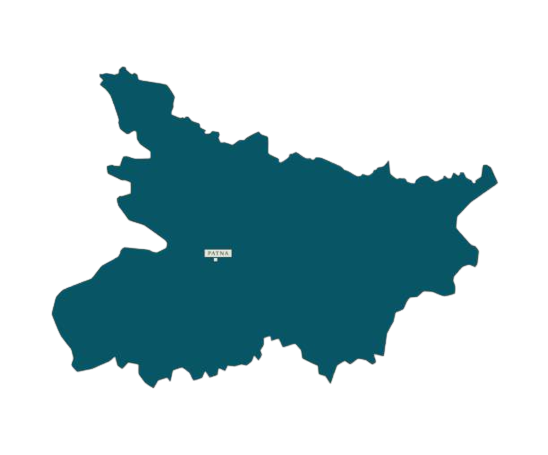 Bihar
Bihar Uttar Pradesh
 Jharkhand