
Abhishek slaps 10-crore defamation notice on Madan Mitra over 'murderer' jibe
.gif)

Download Mobile App 






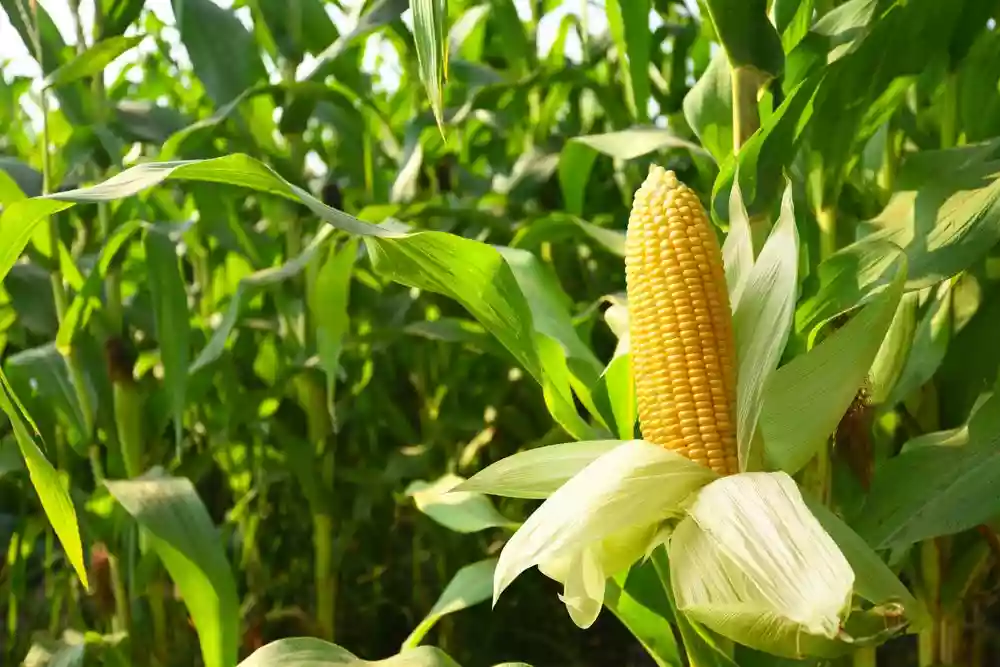
The US Embassy in Dhaka recently faced an unexpected backlash on social media following an announcement regarding the export of American corn to Bangladesh. While the embassy intended to highlight the nutritional benefits and versatility of US corn for food and animal feed, the focus of the online audience shifted to a culturally sensitive farming practice. In the United States, pig manure is a common and effective organic fertiliser used to boost corn yields, a detail that has triggered a "haram" controversy in the Muslim-majority nation.
The issue gained momentum as users pointed out that under Islamic law, pork and related byproducts are strictly forbidden. Critics on platforms like X (formerly Twitter) expressed outrage, suggesting that the import of "pig-manured corn" was an affront to their religious values. Some users went as far as accusing the US of using Bangladesh as a dumping ground for products grown under policies they deemed culturally insensitive. The hashtag #PigManure began trending as netizens debated the purity of the imported grain.
This controversy is not the first time pork-related products have caused a stir in Bangladesh's import sector. A few years ago, the government banned Meat and Bone Meal (MBM) powder after traces of pork were found in imported feed meant for fish and livestock. The memory of that incident has amplified the current anxiety, leading many to question if the corn grown using such manure would be considered permissible for consumption by observant Muslims.
As of Wednesday, the US Embassy has not officially responded to the wave of mockery and criticism. Experts note that while the use of manure as fertiliser is a standard agricultural practice globally, the cultural context of the recipient nation plays a vital role in trade diplomacy. With Bangladesh having a significant trade deficit with the US, this incident adds a layer of public relations complexity to the ongoing economic negotiations between the two countries.




.webp)

.webp)

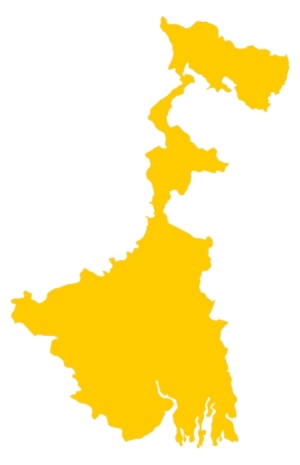 West Bengal
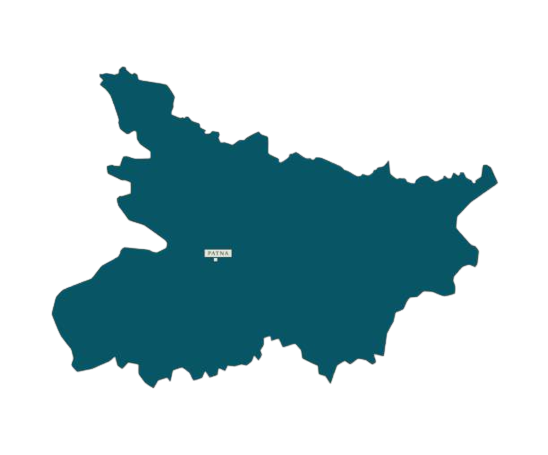 Bihar
Bihar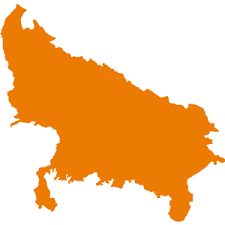 Uttar Pradesh
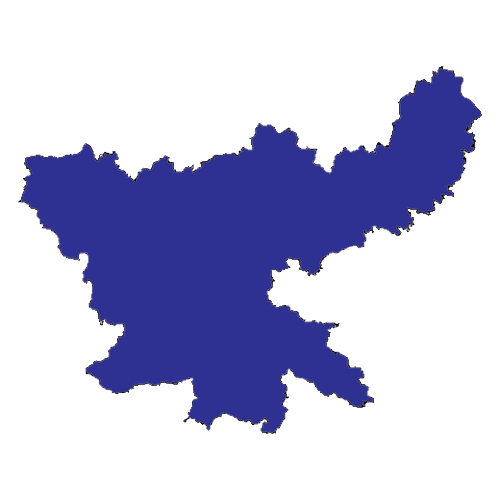 Jharkhand