
BJP MLA Soumen Karfa demands alcohol and lottery ban in Bengal
.gif)

Download Mobile App 






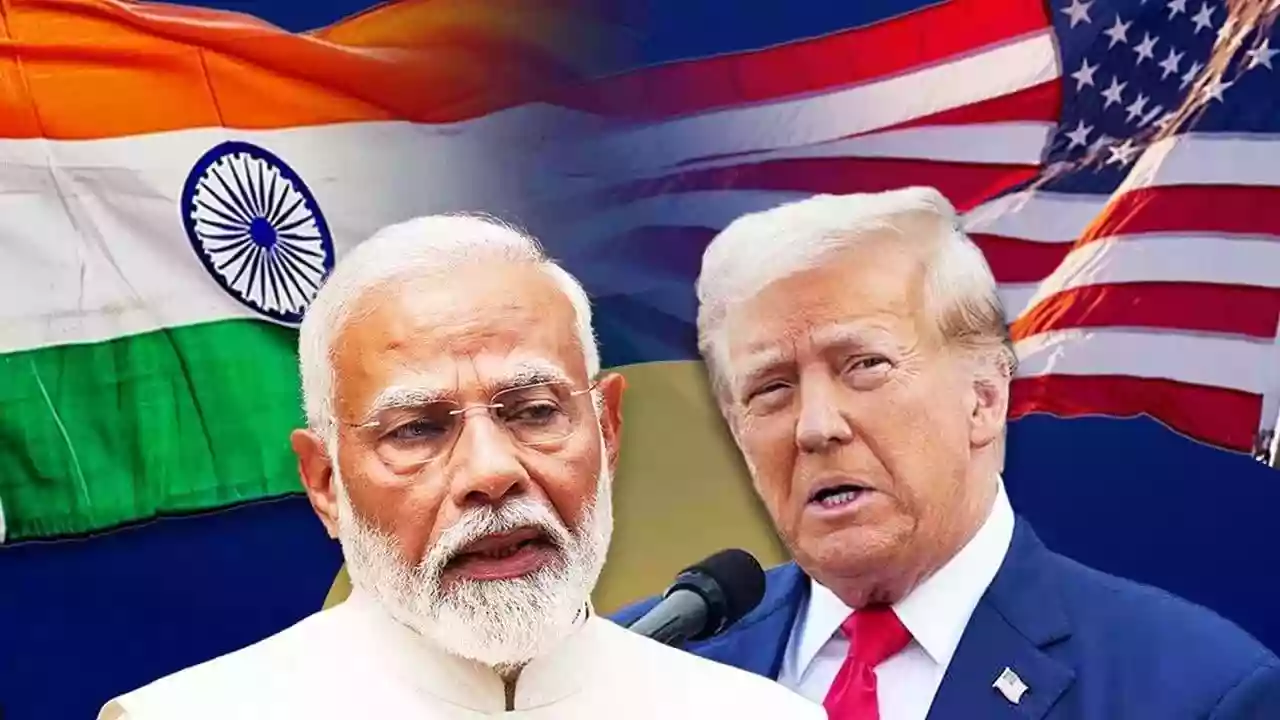
United States has officially commenced the process of refunding over $10 billion (approximately ₹94,649 crore) collected from Indian exporters under the controversial "Trump Tariff" regime. The massive financial repatriation follows a landmark ruling by the US Supreme Court, which declared the restrictive trade levies unconstitutional. This reimbursement drive brings immense relief to Indian businesses and trade houses, which had faced severe margin crunches and supply chain disruptions due to the aggressive protectionist measures imposed during the previous fiscal year.
The trade dispute originally trace back to April 2025, when Washington enacted a stringent commerce law designed to penalize nations holding a significant trade surplus with the United States. Under this legal umbrella, a baseline tariff of 25 percent was slammed on Indian goods on August 7, 2025, followed swiftly by an additional 25 percent retaliatory penalty on August 27, 2025, targeting New Delhi's crude oil imports from Russia. These overlapping levies stacked a crippling 50 percent total tax burden onto India's primary export sectors—including textiles, engineering components, leather, and gems and jewelry—effectively freezing competitive trade until the apex court struck down the duties on February 20, 2026.
To ensure the multi-billion dollar capital flow returns home efficiently, the Reserve Bank of India (RBI) has proactively eased cross-border banking regulations for domestic financial institutions. The central bank introduced an updated regulatory framework allowing smaller Indian commercial banks, which lack dedicated institutional branches on American soil, to set up special offshore collection accounts through intermediary global banks operating in the US market. Concurrently, international digital payment gateways have stepped in to facilitate these massive transactional transfers at significantly optimized operating costs, allowing initial tranches of smaller-value refunds to hit exporter accounts.







.webp)

.webp)

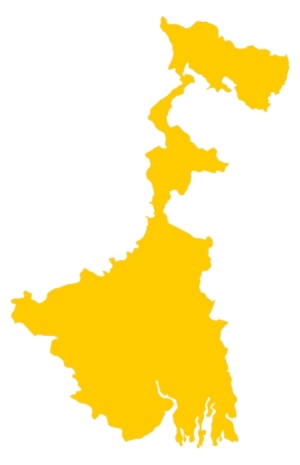 West Bengal
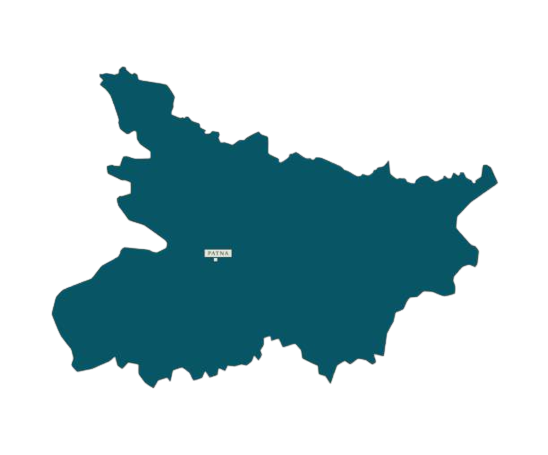 Bihar
Bihar Uttar Pradesh
 Jharkhand