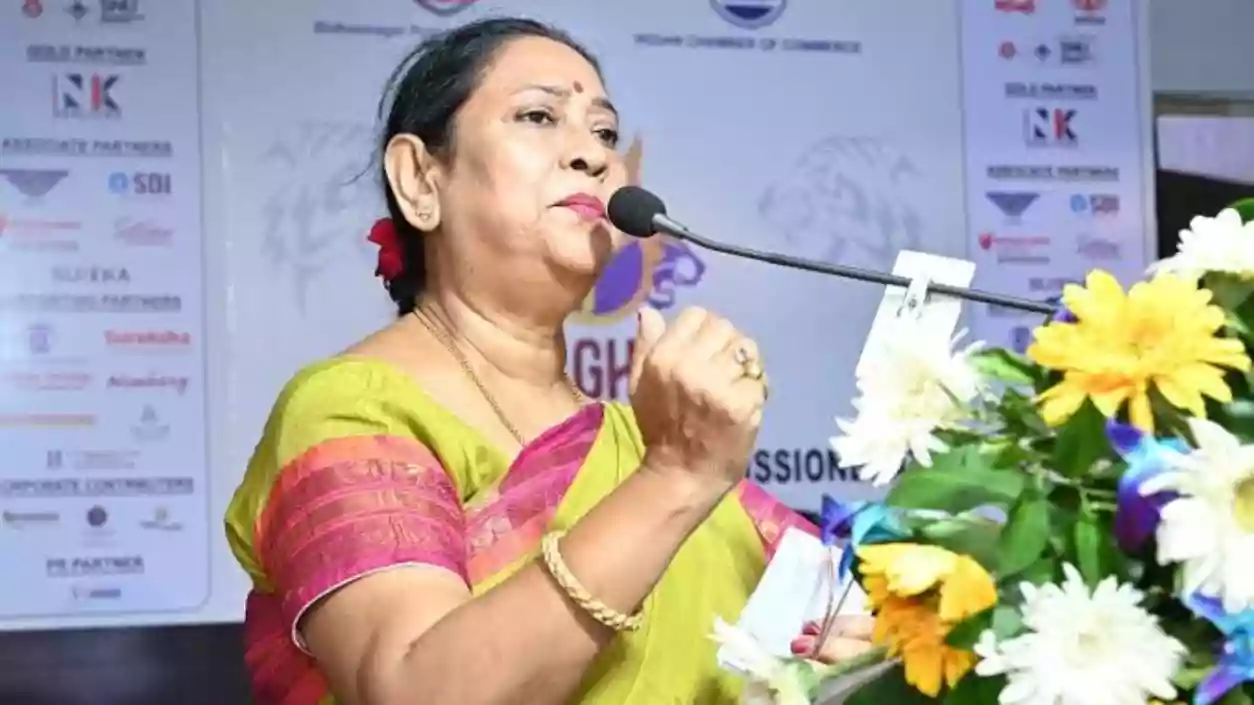
Bidhannagar Mayor Krishna Chakraborty resigns, another massive blow to TMC
.gif)

Download Mobile App 







In a landmark verdict that could kickstart a new era for Indian football, the Supreme Court today, threw its weight behind All India Football Federation (AIFF) President Kalyan Chaubey, recognizing his current executive committee's legitimacy and directing the body to convene a general body meeting within four weeks to adopt a revamped constitution. This decision, delivered by a bench comprising Justices PS Narasimha and Joymalya Bagchi, not only averts a fresh election amid ongoing governance turmoil but also approves a draft constitution prepared by retired Justice L Nageswara Rao—with minor tweaks to enhance transparency and curb conflicts of interest.
Kalyan Chaubey's team, elected in 2022, now has the green light to complete its term until September 2026, sparing the sport from further electoral upheaval just as FIFA's October 30 deadline for constitutional alignment looms large.The saga traces back to a protracted legal tussle initiated by Delhi lawyer Rahul Mehra in 2022, challenging AIFF's electoral processes and commercial dealings, which led to the dissolution of a Committee of Administrators and FIFA's temporary suspension of the federation. Over the years, the court has navigated a minefield of issues, from barring new commercial pacts in early 2025 to mandating negotiations with Football Sports Development Limited (FSDL) in August to resolve the expiring Master Rights Agreement.
Today's order builds on a September 1 directive urging timely season kickoffs, rejecting calls from figures like Bhaichung Bhutia and lawyers Prashant Bhushan for immediate polls. Instead, the bench emphasized efficiency: with only a year left in the current tenure, why disrupt when reforms can roll out seamlessly? This pragmatic stance underscores the court's intent to prioritize football's growth over procedural resets, much to the relief of clubs grappling with paused operations and unpaid salaries.At the core of the approved draft lies a blueprint for modern governance, incorporating structural overhauls to boost accountability—think stricter rules on dual roles that once blurred lines between administration and commerce.
Justice Rao's panel, tasked earlier this year, drew from global best practices while tailoring to India's unique football ecosystem, addressing long-standing gripes over opaque decision-making. The four-week window for adoption isn't arbitrary; it's a tight timeline to align with international mandates, ensuring AIFF doesn't risk further sanctions from FIFA or the Asian Football Confederation. For Chaubey, a former football honcho, this validation is personal vindication after months of scrutiny, where even ISL clubs penned urgent pleas to escalate the impasse to the apex court.Yet, the road ahead isn't all smooth volleys.
Stakeholders, from grassroots academies to marquee ISL franchises, are watching closely—hoping this injects momentum into a sport that's lagged behind cricket's glamour. Chaubey's recent admissions of a "crisis" in club football, voiced amid paused seasons, now pivot to action: collective resolve to salvage the calendar and restore fan faith.Broader ripples extend to policy horizons, intersecting with Parliament's National Sports Governance Bill 2025, which echoes the court's push for ethical frameworks across disciplines. By nixing fresh elections, the SC has indirectly bolstered Chaubey's platform to champion youth development and infrastructure, areas where AIFF has faced flak. As negotiations heat up, the federation's agility will be tested, but today's order plants a firm foundation.In essence, this Supreme Court chapter closes a turbulent loop, handing Kalyan Chaubey the reins to steer Indian football toward sunnier skies. With the constitution set for prime time and the executive intact, the beautiful game in India edges closer to its potential: a vibrant, inclusive arena where drama stays on the pitch. Fans, brace for a season unmarred by boardroom battles—it's time to celebrate goals, not grievances.
.webp)

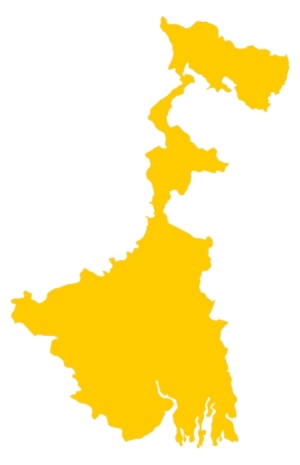 West Bengal
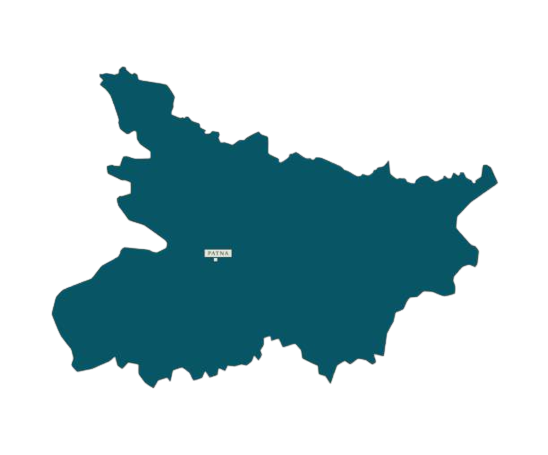 Bihar
Bihar Uttar Pradesh
 Jharkhand