
BJP gherao 'New TMC' MLA Sandipan Saha's house in Entally, protest over 'cut money'
.gif)

Download Mobile App 






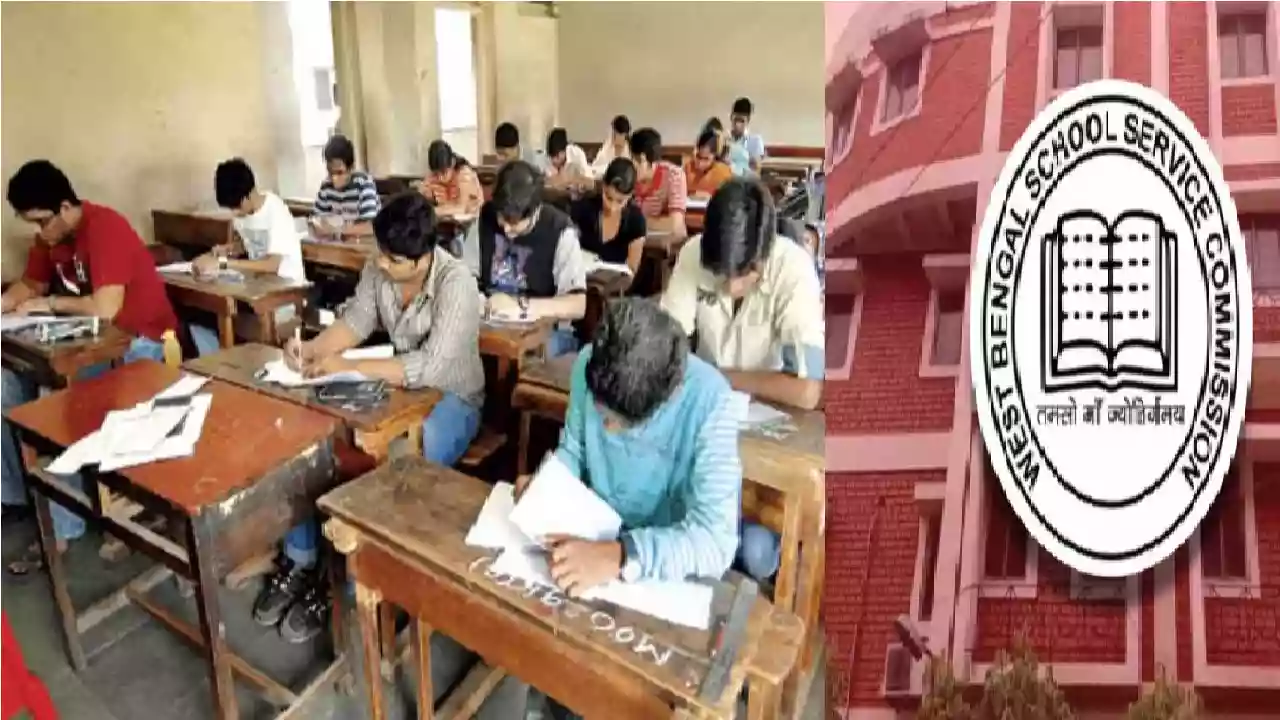
Bengal buzzed with an unexpected influx of job seekers from Uttar Pradesh, Bihar, Jharkhand and Rajasthan today, as they descended on the city to appear for the West Bengal School Service Commission (SSC) teacher recruitment exam. With over 565,000 candidates registered, including 319,919 for the Class 9-10 level exam alone, the competition has intensified for local aspirants. This year’s exam marks a significant shift, as it’s the first time Hindi-medium candidates have been allowed to apply for teaching positions in Hindi and English-medium schools, drawing thousands from outside West Bengal for 2,251 Hindi-medium vacancies. The presence of out-of-state candidates has sparked both concern and debate among Bengal’s job seekers, who now face a tougher battle for government teaching jobs.
The SSC exam, held today and scheduled again for September 14, is a critical opportunity for candidates aiming to secure teaching positions in West Bengal’s government-aided schools. The state’s decision to open applications to Indian citizens from any region, combined with the inclusion of Hindi-medium posts, has led to a surge in non-local applicants. Many of these candidates, particularly from northern states, cite simpler exam processes in West Bengal compared to their home states, where competition is fiercer and opportunities scarcer. A candidate from Rajasthan, says, “The process here is straightforward, and we’re here for a fair shot at a job.”
Local candidates, however, are feeling the heat. Bengal’s job seekers, already grappling with limited government job openings, now face a “mountain of applications” from other states, as described by a local news outlet. The sentiment among some is that the influx could reduce their chances of securing posts, especially in Hindi and English-medium schools. In 2016, Hindi-medium candidates were reportedly not permitted to apply, making this year’s policy change a significant departure. The increased competition has led to murmurs of frustration, with some local aspirants questioning the fairness of opening the exam to outsiders while unemployment remains a pressing issue in West Bengal.
The exam centers across Bengal were a hive of activity, with candidates from Uttar Pradesh and Bihar particularly visible. Many spoke of the lack of job opportunities in their home states, where exams are either infrequent or mired in bureaucratic delays. One candidate from Uttar Pradesh notes, “It’s been four years since we had a proper exam back home. Bengal offers hope.” Despite the enthusiasm, some out-of-state candidates acknowledged the challenges of adapting to Bengal’s education system, particularly for those aiming to teach in Bengali-medium schools, though most are targeting Hindi and English-medium roles.
The SSC’s decision to allow broader participation reflects the national scope of government job eligibility but has stirred local sensitivities. West Bengal’s education sector, already under scrutiny for recruitment delays and past controversies, now faces the added complexity of managing a diverse applicant pool. The state government has defended the move, emphasizing that any Indian citizen is eligible to apply, as per SSC rules. However, local political groups and job seekers’ organizations have raised concerns, with some planning protests to demand priority for Bengal’s candidates, echoing sentiments seen in similar job agitations.
As the exams continue, the focus remains on ensuring a fair and transparent process. The SSC has promised stringent oversight to prevent irregularities, but the sheer volume of candidates poses logistical challenges. For Kolkata’s job seekers, the presence of out-of-state competitors is a new hurdle in an already tough job market. The outcome of this recruitment drive could set a precedent for future exams, as Bengal navigates the balance between national inclusivity and local aspirations in its quest to fill teaching vacancies.





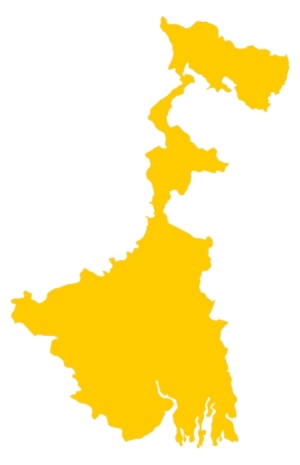 West Bengal
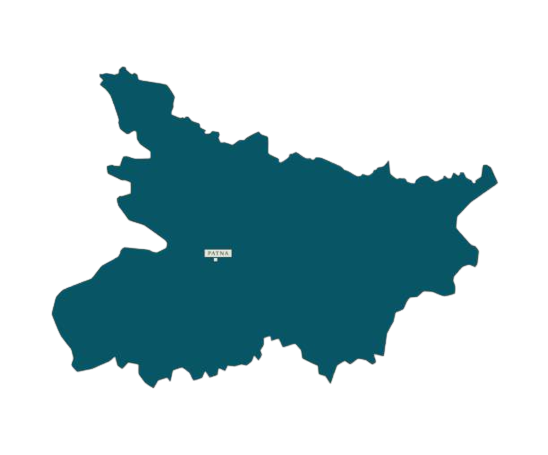 Bihar
Bihar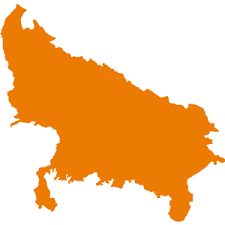 Uttar Pradesh
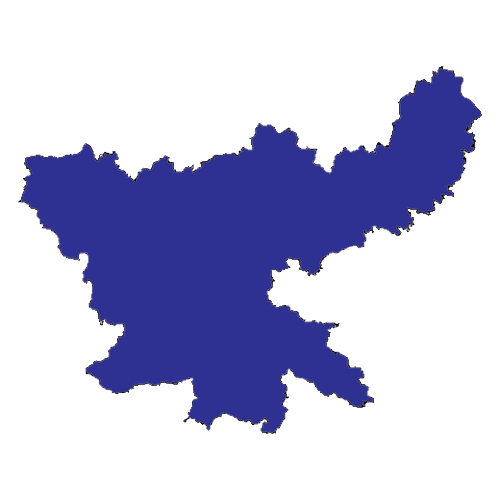 Jharkhand