Abhishek slaps 10-crore defamation notice on Madan Mitra over 'murderer' jibe
.gif)

Download Mobile App 






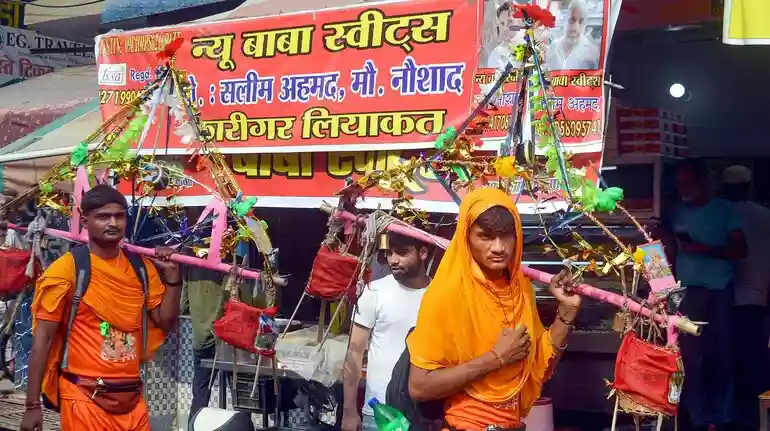
The Supreme Court on Tuesday issued a notice to the Uttar Pradesh government on a batch of petitions challenging the state's directive that mandates the display of QR codes on all eateries along the 'Kanwar Yatra' route. These QR codes are intended to reveal the names and identities of the owners, a measure that petitioners argue amounts to a digital form of religious profiling and violates previous court orders, sparking a new legal debate on privacy and state directives.
A bench comprising Justices MM Sundresh and N Kotiswar Singh heard the petitions, which Delhi University professor Apoorvanand Jha and activist Aakar Patel notably filed. The core of their argument revolves around the contention that the QR code directive is fundamentally a digital iteration of religious profiling, which the apex court had previously stayed in similar contexts.
It is significant to recall that in July last year, the Supreme Court had already put a stay on similar directives issued by the governments of Uttarakhand, Uttar Pradesh, and Madhya Pradesh. Those earlier directives required hawkers and food sellers to publicly display the names of owners and staff, a move deemed problematic by the court at the time.
In its previous order, the court had explicitly stated, "We deem it appropriate to pass an interim order prohibiting the enforcement of the impugned directives." It had further clarified that vendors should not be asked to provide details of the food being served but rather their identity, emphasizing a distinction that the current UP directive seems to blur.
Jha, one of the petitioners, underscored his concerns by referencing a press release issued by the UP administration on June 25. He argued that "The new measures mandate the display of QR codes on all eateries along the kanwar route, which reveal the names and identities of the owners, thereby achieving the same discriminatory profiling that was previously stayed by this court."
The petition filed by Jha further asserts that the state government's directive, which demands stall owners to reveal religious and caste identities under the guise of "lawful license requirements," breaches the fundamental right to privacy of the shop, dhaba, and restaurant owners.





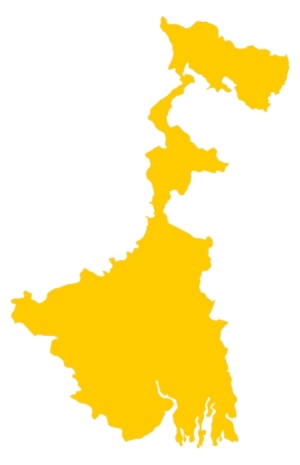 West Bengal
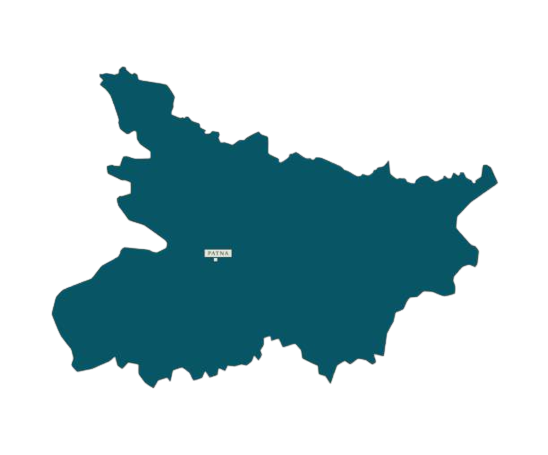 Bihar
Bihar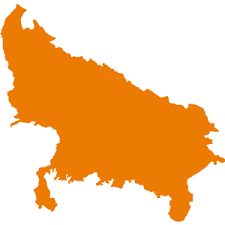 Uttar Pradesh
 Jharkhand