
Abhishek slaps 10-crore defamation notice on Madan Mitra over 'murderer' jibe
.gif)

Download Mobile App 







The Press Information Bureau (PIB), the Union government's official fact-checking arm, on Tuesday explicitly clarified that the Union Health Ministry has not advised vendors to carry specific warning labels on popular Indian snacks and desserts such as samosas, jalebi, and laddoo. This statement comes as a direct refutation of several media reports that had claimed such a directive was issued, leading to widespread discussion and some concern among the public regarding traditional Indian street food.
The PIB took to its official X (formerly Twitter) handle to address these claims directly. In its post, the PIB stated, "The advisory of the Union Health Ministry does not carry any warning labels on food products sold by vendors, and has not been selective towards Indian snacks. Some media reports claim that the @MoHFW_INDIA has issued a health warning on food products such as samosas, jalebi, and laddoo," effectively debunking the misleading reports.
The government's fact-checking wing further elaborated on the true nature of the health ministry's advisory. The PIB termed the ministry's initiative as a "general advisory" and a "behavioural nudge" primarily aimed at increasing public awareness about "hidden fats and excess sugar in all food products," rather than specifically targeting any particular food item. This broad approach emphasizes healthier eating habits across the board, not singling out cultural staples.
The clarification also highlighted that the advisory is primarily focused on promoting "healthier options and initiatives at workplaces." It encourages individuals to make more informed and healthier choices to reduce their intake of "excess oil and sugar," thereby contributing to overall healthy eating and living. The PIB stressed that this initiative is not designed to "target India's rich street food culture," which is a vibrant and integral part of the country's culinary landscape.
This detailed explanation from the PIB was prompted by a flurry of reports that had incorrectly suggested widespread implementation of warning labels. These reports had claimed that cafeterias and public areas would soon display such warnings for high-fat and high-sugar foods, with Nagpur being cited as the first city to follow this alleged directive from the health ministry.








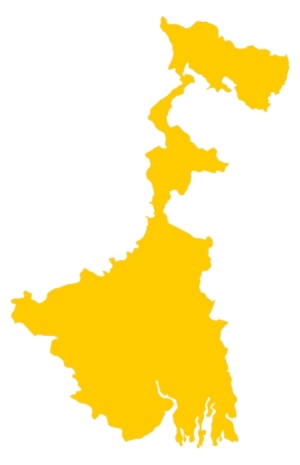 West Bengal
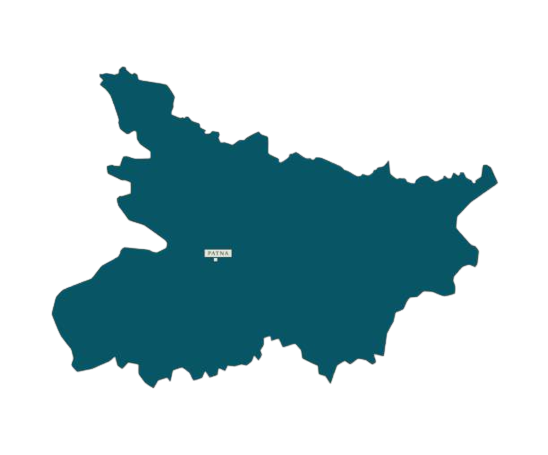 Bihar
Bihar Uttar Pradesh
 Jharkhand