
Bengal Govt elevates IPS Ajay Mukund Ranade to DGP (Law and Order)
.gif)

Download Mobile App 







India must invest over $2.4 trillion by 2050 to develop climate-resilient urban infrastructure, as its rapidly expanding cities grapple with escalating challenges from extreme weather events linked to climate change. This stark warning comes from a new World Bank report, "Towards Resilient and Prosperous Cities in India," released on Tuesday. The report, prepared in collaboration with India's urban development ministry, highlights that with the urban population projected to nearly double to 951 million by 2050 from 480 million in 2020, urgent and substantial action is needed to safeguard urban centers from erratic rainfall, heatwaves, and rising sea levels.
The World Bank emphasized that without significant investments in housing, transport, water, and waste management systems, India faces spiraling costs from weather-related damage. Urban flooding alone currently causes an estimated $4 billion in annual losses, a figure projected to surge to $5 billion by 2030 and potentially $30 billion by 2070 if remedial measures are not implemented. "Cities need to become more resilient if people living in those cities are going to be safe," stated Auguste Tano Kouame, the World Bank's Country Director for India, at the report's launch. The report’s estimates, even based on conservative urban population growth, project investment needs reaching $10.9 trillion by 2070.
Currently, India allocates only about 0.7% of its gross domestic product to urban infrastructure, significantly below global benchmarks. The report strongly recommends a massive scale-up of both public and private financing, noting that private capital presently accounts for a mere 5% of urban infrastructure investment. It calls for enhanced coordination among federal, state, and municipal governments to improve project financing, provide climate-linked fiscal transfers, and foster greater private sector partnerships in critical areas such as energy-efficient water supply, sanitation, solid waste management, and green buildings. Timely actions, the report concluded, can avert billions in annual damages, save lives from extreme heat, and ensure continued economic growth and livability in Indian cities.



.webp)






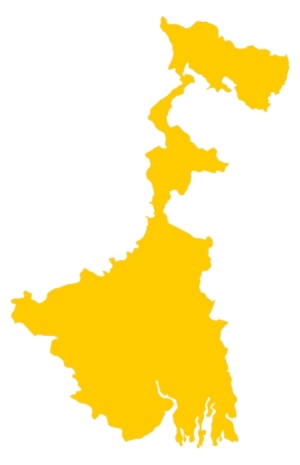 West Bengal
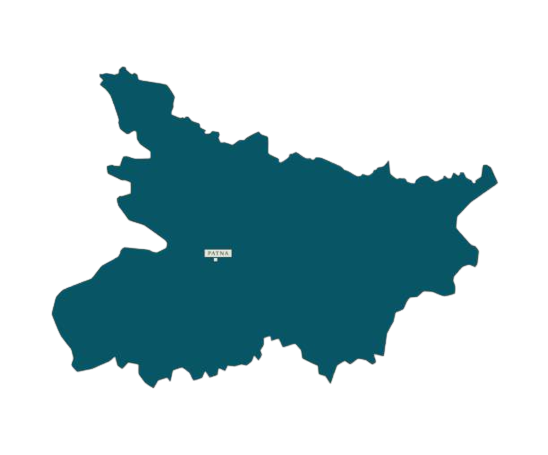 Bihar
Bihar Uttar Pradesh
 Jharkhand