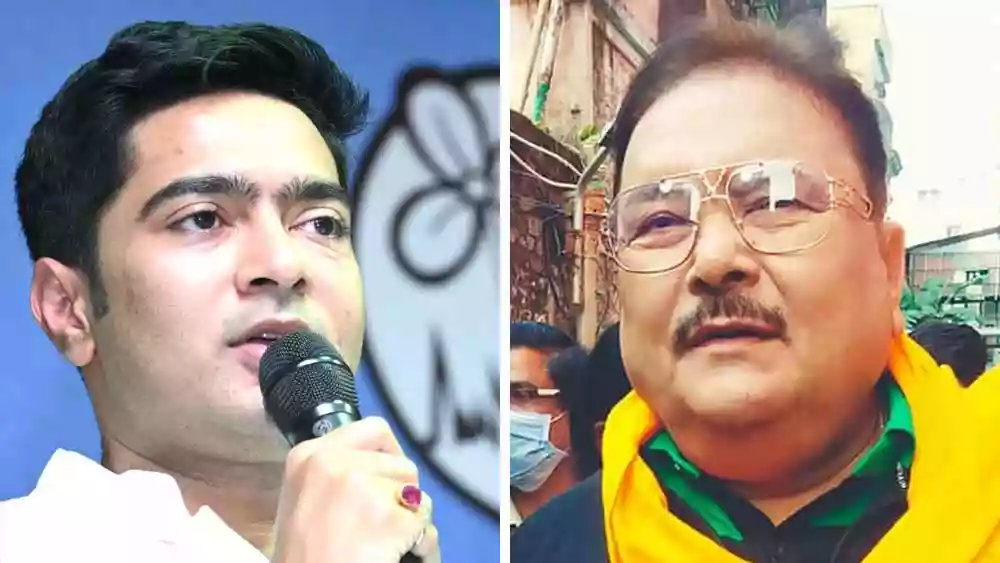
Abhishek slaps 10-crore defamation notice on Madan Mitra over 'murderer' jibe
.gif)

Download Mobile App 







Prospects for an interim trade deal between India and the United States before Washington's August 1 deadline have dimmed, as negotiations remain deadlocked over contentious issues, particularly India's sensitive agriculture and dairy sectors. While US President Donald Trump had in April threatened a 26% tariff on Indian imports, pausing its implementation to allow for talks, that deferment is set to expire, and India has yet to receive a formal tariff letter unlike over 20 other nations.
The latest, fifth round of trade discussions in Washington, led by India's chief negotiator Rajesh Agrawal, concluded without a breakthrough. Indian government sources indicate that an interim deal before August 1 appears "difficult," though virtual discussions are ongoing, with a US delegation expected in New Delhi soon for further talks. The primary sticking points revolve around New Delhi's firm refusal to open its politically sensitive agriculture and dairy markets to American imports, citing concerns over farmer livelihoods and the impact of genetically modified crops. In return, Washington is resisting India's demands for relief from higher tariffs on key Indian exports like steel, aluminum, and automobiles.
Amidst the stalemate, officials are reportedly exploring the possibility of deferring these contentious issues to a later stage, after an interim agreement. Ajay Sahai, Director General of the Federation of Indian Export Organisations (FIEO), warned that sectors like gems and jewelry could face significant impacts if the 26% tariffs are imposed, though he expressed hope for a temporary effect as both countries ultimately aim for a broader deal. US Treasury Secretary Scott Bessent emphasized the Trump administration's focus on the "quality of trade agreements" over their timing, leaving any deadline extension entirely to President Trump. Despite the current impasse, Indian officials remain optimistic about clinching a more comprehensive pact by September or October, aligning with earlier discussions between Prime Minister Narendra Modi and President Trump.


.webp)
.webp)

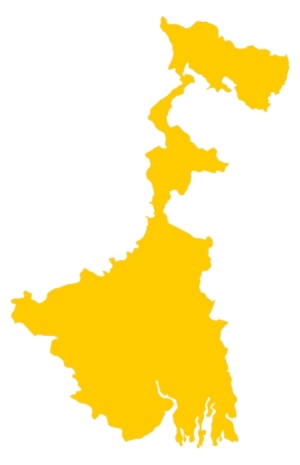 West Bengal
 Bihar
Bihar Uttar Pradesh
 Jharkhand