
Abhishek slaps 10-crore defamation notice on Madan Mitra over 'murderer' jibe
.gif)

Download Mobile App 






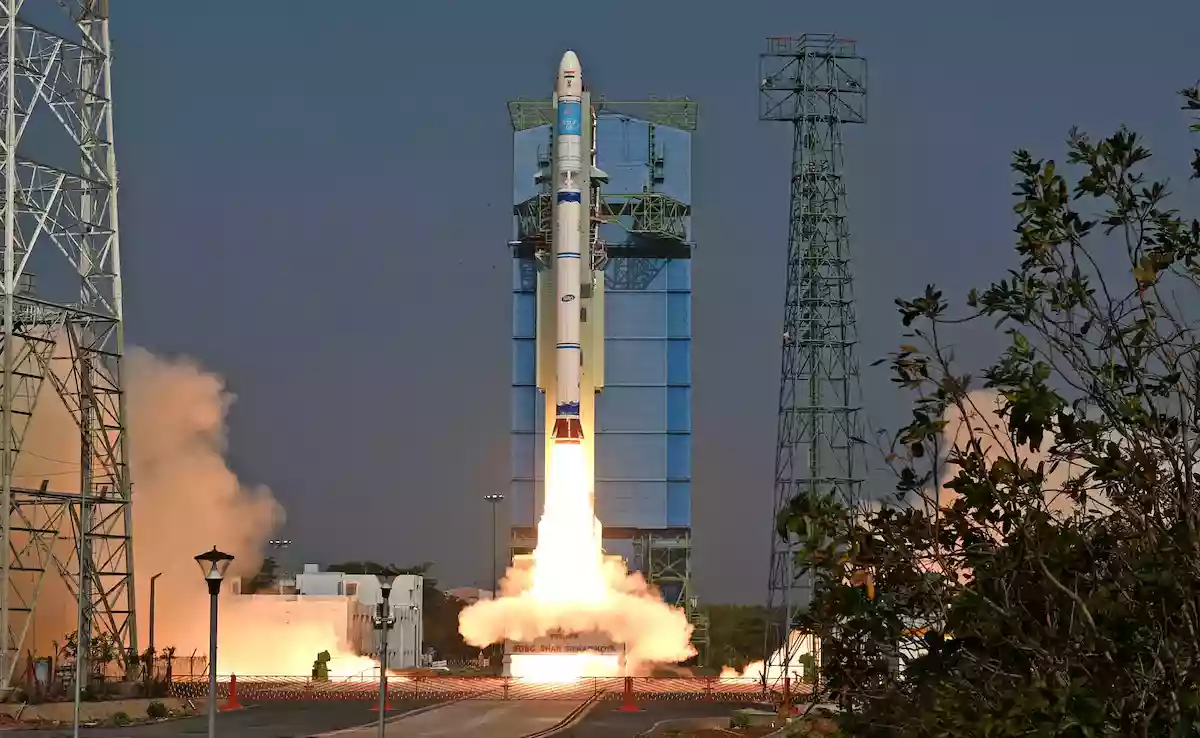
The Indian Space Research Organisation (ISRO) is embarking on a new and ambitious mission, with plans to launch a massive 75-tonne satellite using a rocket as tall as a 40-storey building. The announcement, made by ISRO Chairman V. Narayanan at a convocation ceremony at Osmania University in Hyderabad, underscores the space agency's rapid progress and its vision for the future. This move represents a major step up in India’s capability to place heavier payloads into orbit.
Narayanan highlighted the impressive growth of India's space program by drawing a comparison with its past. He noted that the country’s first rocket launcher, built by the late Dr. A.P.J. Abdul Kalam, had a lift-off mass of only 17 tonnes and could place a mere 35 kg payload into low Earth orbit. The proposed 75-tonne satellite launch on the colossal rocket is a testament to the decades of hard work and innovation that have propelled India to the forefront of space technology.
The ISRO Chairman also provided details on the agency’s upcoming missions. He confirmed that ISRO has a robust schedule of launches, including the NAVIC (Navigation with Indian Constellation system) satellite and the N1 rocket. In a sign of India's growing role in the global space sector, ISRO is also set to place a 6,500 kg communication satellite belonging to the US into orbit using Indian rockets.
Further, Narayanan confirmed that this year will see the launch of the Technology Demonstration Satellite (TDS) and the GSAT-7R. The GSAT-7R is a military communication satellite specifically designed to enhance the communication capabilities of the Indian Navy and will replace the existing GSAT-7 (Rukmini) satellite. These launches are crucial for both military and technological advancements.
Looking ahead, the ISRO Chairman shared an ambitious long-term goal for the country’s satellite network. He stated that the number of Indian satellites in orbit, which is currently at 55, is set to surge three times in just the next three to four years. This exponential growth will significantly enhance India's capabilities in communication, earth observation, and navigation.










 West Bengal
 Bihar
Bihar Uttar Pradesh
 Jharkhand