
Sonam Wangchuk vows to continue hunger strike as CJP reclaims Jantar Mantar stage
.gif)

Download Mobile App 






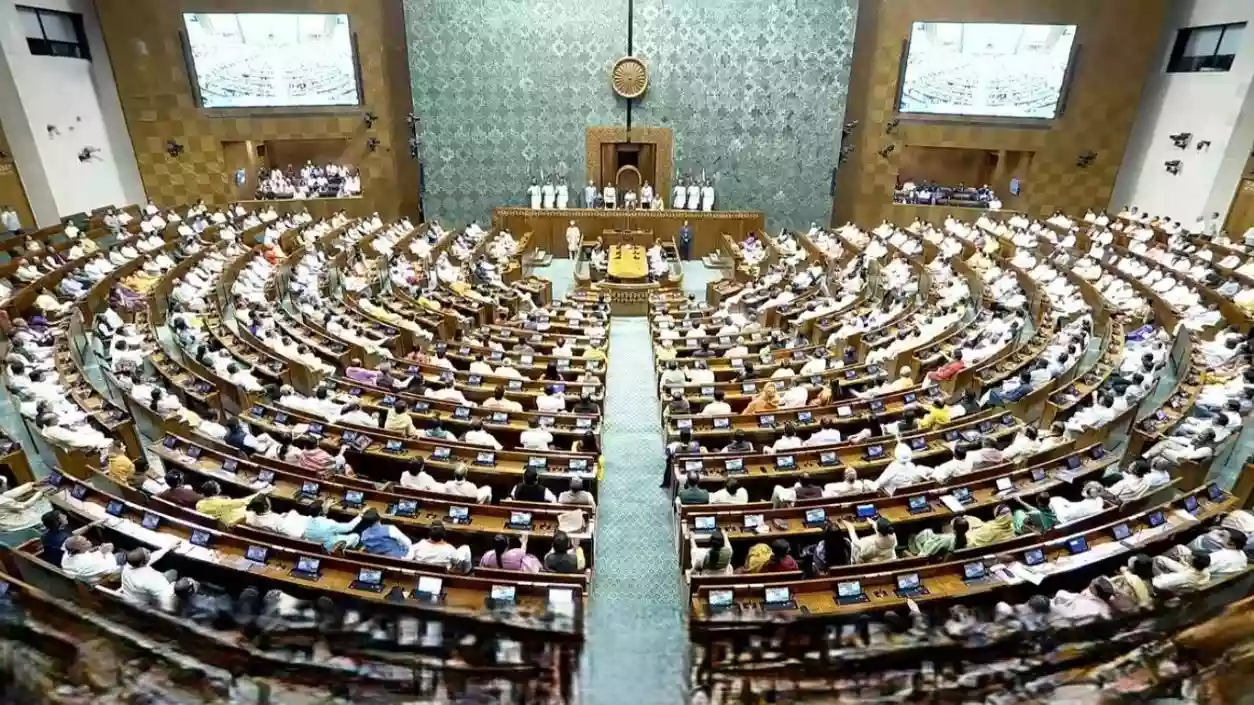
The Lok Sabha on Wednesday passed the Promotion and Regulation of Online Gaming Bill, 2025, by voice vote following brief remarks by Minister of Electronics and Information Technology Ashwini Vaishnaw. The bill was introduced to address rising cases of addiction, financial fraud, and money laundering associated with online real-money gaming. The House was adjourned shortly after amid opposition protests.
The legislation bans offering, operating, or facilitating any online money games, including fantasy sports, poker, rummy, and lotteries. Banks and financial institutions are prohibited from processing transactions related to such games, and all advertising of online money games is forbidden. The bill prescribes imprisonment of up to three years and/or a fine of up to ₹1 crore for violations, with enhanced penalties of 3–5 years imprisonment and fines up to ₹2 crore for repeat offences.
The bill formally recognises esports as a legitimate competitive sport in India. It mandates the Ministry of Sports to frame guidelines and standards for esports tournaments, establish training academies, research centres, and technology platforms, and conduct awareness campaigns. The legislation also allows integration of esports into broader national sports policies.
The bill encourages the development, recognition, and registration of social and educational online games. It emphasises safe and age-appropriate platforms, promoting cultural and educational content aligned with Indian values. A national online gaming authority will oversee game categorisation, registration, handling of complaints, and issuing codes of practice to ensure compliance with the law.
The legislation impacts India’s $3.8-billion gaming industry, which has attracted global investors and fostered platforms such as Dream11, Games24X7, and Mobile Premier League. The government stated, “Online money gaming platforms are often misused for financial fraud, money laundering, terror financing and messaging activity that compromise national security.” Lawmakers highlighted that blocking such games is necessary to protect consumers from addictive designs and potential financial losses.







 West Bengal
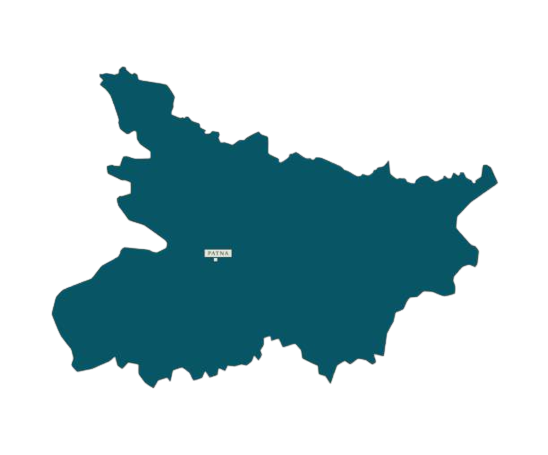 Bihar
Bihar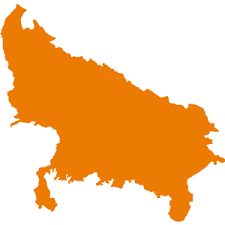 Uttar Pradesh
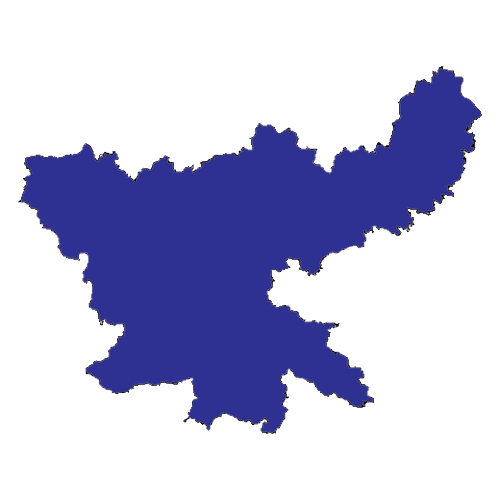 Jharkhand