
Abhishek slaps 10-crore defamation notice on Madan Mitra over 'murderer' jibe
.gif)

Download Mobile App 






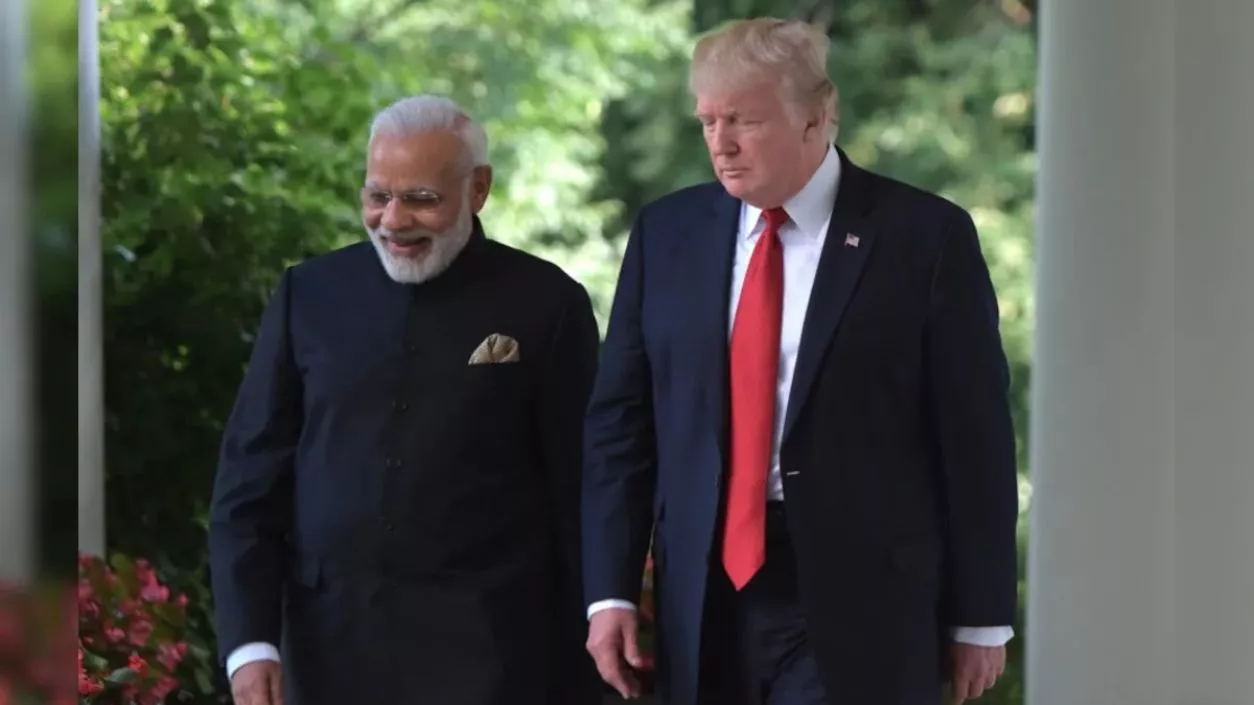
US President Donald Trump’s increased tariffs on Indian imports came into effect on August 27, raising duties from 25 per cent to 50 per cent on most goods exported from India to the US. The tariffs specifically target imports linked to India’s purchase of Russian oil, with the Department of Homeland Security issuing detailed notifications for enforcement from 12:01 am EDT (9:31 am IST).
Nearly half of India’s exports to the US, valued at $87.3 billion in 2024-25, will now face the 50 per cent duty. Sectors affected include textiles, apparel, gems and jewellery, seafood, leather goods, steel, aluminium, copper, organic chemicals, and handicrafts. Global Trade Research Initiative estimates exports in these categories could fall from $87 billion to $49.6 billion due to the tariffs.
Approximately 30 per cent of exports, worth $27.6 billion, are exempted. This includes pharmaceuticals ($12.7 billion), electronics ($10.6 billion), refined petroleum fuels, books, brochures, plastics, cellulose ethers, ferromanganese, ferrochromium, computing equipment such as motherboards and rack servers, and certain metals including nickel, platinum, and gold coins. Humanitarian donations and informational materials like books and films are also excluded from tariffs.
Industry representatives have warned of potential job losses in labour-intensive sectors. Vijay Kumar Agarwal, chairman of Creative Group, stated, “We will have to close down a few factories, we have to give discounts to buyers, at 50 per cent it can’t go on for long, export of textiles from India to the US will probably not exist apart from some high-value items.” Kirit Bhansali, chairman of the Gem & Jewellery Export Promotion Council, described the duties as “doomsday” for the sector.
Economists project that the tariffs could impact India’s economic growth in FY26. Gaura Sengupta, chief economist at IDFC First Bank, estimated a 0.4 per cent reduction in GDP growth, while Sakshi Gupta, principal economist at HDFC Bank, noted the impact could push growth below six per cent. Exporters are preparing by seeking government schemes such as duty drawback or reimbursement and exploring new markets in nearly 50 countries to offset the US tariff impact.



.webp)
.webp)

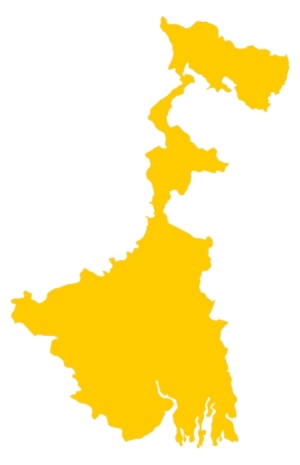 West Bengal
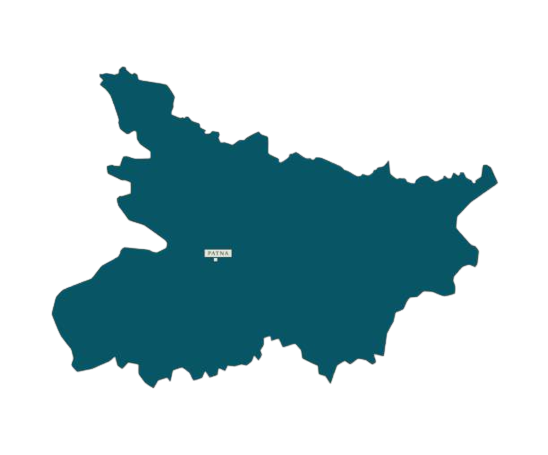 Bihar
Bihar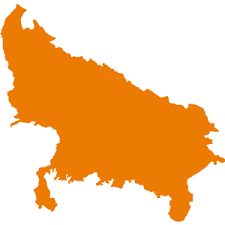 Uttar Pradesh
 Jharkhand