
PM will offer Anjali to Maa Durga this Ashtami in Kolkata, receives multiple invitations
.gif)

Download Mobile App 






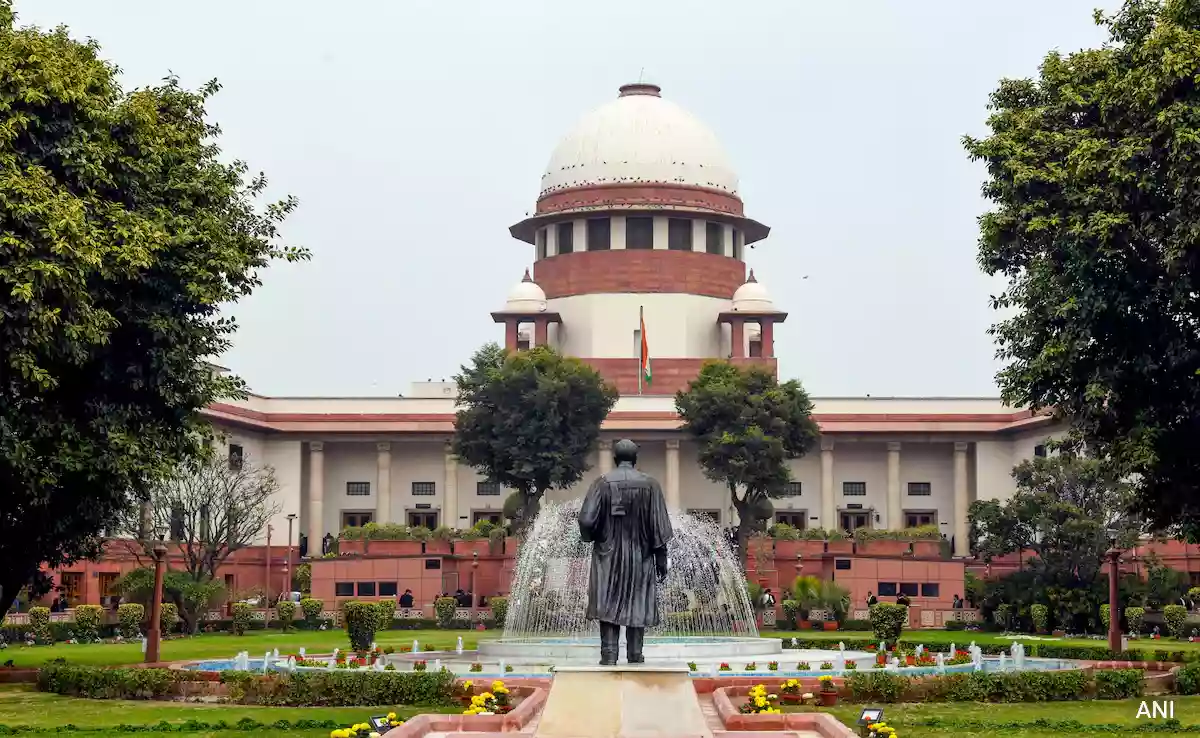
Supreme Court has initiated a suo motu public interest litigation (PIL) to address the alarming issue of non-functional CCTV cameras in police stations, following a report that highlighted 11 custodial deaths in the first seven to eight months of 2025. A bench of Justices Vikram Nath and Sandeep Mehta took immediate cognisance of a news report that exposed a persistent failure to comply with earlier court directives on surveillance systems. The court's action underscores its growing concern over human rights violations and the lack of accountability in law enforcement.
The court’s order, which titled the PIL as ‘Lack of Functional CCTVs in Police Stations,’ was a direct response to the news report from Dainik Bhaskar. The report brought to light that despite a landmark 2020 ruling by the top court, many police stations across the country are still operating without working surveillance systems. This systemic failure to install and maintain CCTVs has raised serious questions about the transparency and integrity of police operations, especially in light of the recurring custodial deaths.
This issue has been a long-standing point of judicial scrutiny, dating back to the Supreme Court’s landmark 2020 ruling in the Paramvir Singh Saini vs Baljit Singh case. That judgment was a clear and binding directive, mandating the installation of CCTV cameras with night vision and audio recording capabilities not just in police stations but also in the interrogation offices of central agencies like the CBI, NIA, ED, and NCB. The court’s intent was to prevent instances of custodial torture and to provide irrefutable evidence in cases of human rights abuses.
Despite the unambiguous nature of the 2020 ruling, compliance has been inconsistent and largely ineffective. Affidavits submitted by various states and Union Territories have revealed significant gaps, including the complete absence of cameras, systems that are non-functional, and the failure to establish proper oversight committees. The Supreme Court had previously noted that only a handful of regions had fully complied with the mandate, highlighting a widespread disregard for the court's orders.










 West Bengal
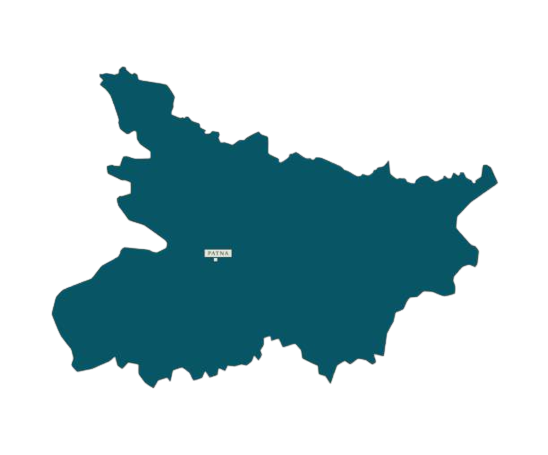 Bihar
Bihar Uttar Pradesh
 Jharkhand