
Abhishek slaps 10-crore defamation notice on Madan Mitra over 'murderer' jibe
.gif)

Download Mobile App 







As night falls on today, September 7, India is set to witness a rare celestial spectacle with the year’s second and final full lunar eclipse, or Chandra Grahan, beginning at 9:58 PM IST and captivating skywatchers across the nation. This total lunar eclipse, visible in cities like Delhi, Mumbai, Kolkata, and Chennai, will see the moon fully shrouded by Earth’s shadow, potentially turning it a striking reddish hue known as a “blood moon.” Scheduled to last until 1:26 AM on September 8, the event carries both astronomical wonder and spiritual significance, with traditional practices like the Sutak period influencing many households. As excitement builds, people are preparing to observe this natural phenomenon, though some are cautious due to religious customs advising against outdoor activities during the eclipse.
The eclipse’s timeline offers a clear window for enthusiasts, starting with the first penumbral contact at 8:59 PM, followed by the partial phase at 9:58 PM, and reaching its peak at 11:42 PM when the moon is fully eclipsed. The total duration spans 3 hours, 28 minutes, and 2 seconds, with the maximum eclipse lasting about 40 minutes. This visibility across India, unlike the March 14 eclipse that bypassed the country, has sparked widespread interest, with families and astrology enthusiasts planning safe viewing spots. However, the Sutak period, traditionally beginning 9 hours before the eclipse at 12:19 PM on September 7, is expected to prompt many to avoid cooking or stepping outside until after 1:26 AM on September 8, especially in rural areas.For those adhering to Hindu traditions, the Chandra Grahan is more than a scientific event—it’s a time for reflection and caution.
The Sutak period, considered inauspicious, discourages auspicious activities like weddings or starting new ventures, with some believers chanting mantras or placing tulsi leaves on food to purify it. Pregnant women are often advised to stay indoors, a practice rooted in ancient beliefs about the eclipse’s supposed effects on unborn children. While modern science debunks these claims, the cultural weight of these customs remains strong, with many opting for indoor prayers or live streams to follow the event safely.The eclipse’s impact extends to astrological circles, where it’s believed to influence the 12 Rashis (zodiac signs), potentially affecting personal and professional lives depending on one’s birth chart.
Astrologers suggest that the moon’s alignment in Pisces during this period might bring emotional or financial shifts, though these predictions vary widely and lack scientific backing. The event’s visibility has also drawn attention from schools and science clubs planning educational watch parties. Preparations are in full swing, with clear skies forecasted to enhance visibility across India. Urban dwellers in tech hubs like Bengaluru and Hyderabad are excited to witness the phenomenon, while rural communities balance curiosity with tradition. The lack of a visible eclipse earlier this year in March had left many disappointed, making this night a much-anticipated opportunity to connect with the cosmos.
However, authorities have cautioned against looking directly at the eclipse without proper eye protection, echoing safety advice from astronomers.This Chandra Grahan serves as a bridge between science and spirituality, inviting Indians to marvel at the universe while honoring age-old practices. As the moon begins its transformation, the event promises to unite people in awe, whether through stargazing or quiet contemplation at home. The aftermath will likely see astrologers and social media buzzing with interpretations, but for now, the focus remains on this rare celestial dance, set to leave a lasting impression as the night unfolds into September 8.









 West Bengal
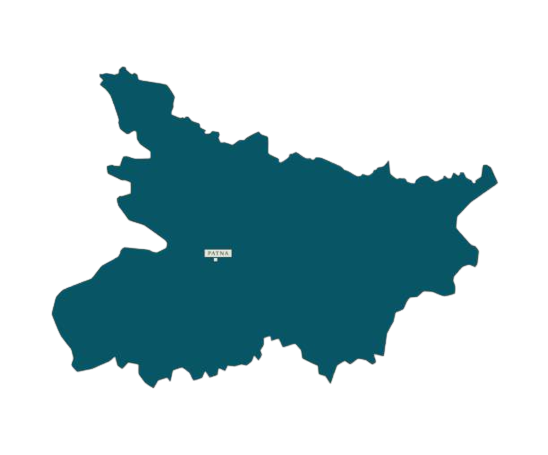 Bihar
Bihar Uttar Pradesh
 Jharkhand