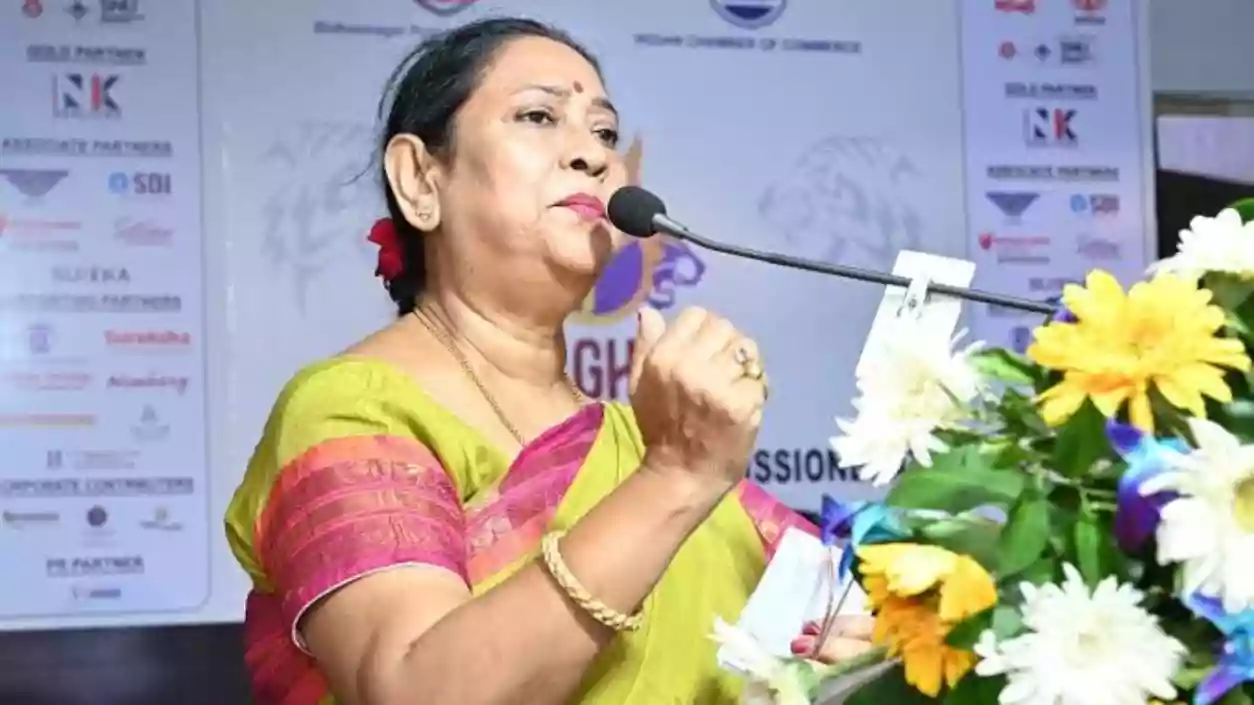
Bidhannagar Mayor Krishna Chakraborty resigns, another massive blow to TMC
.gif)

Download Mobile App 






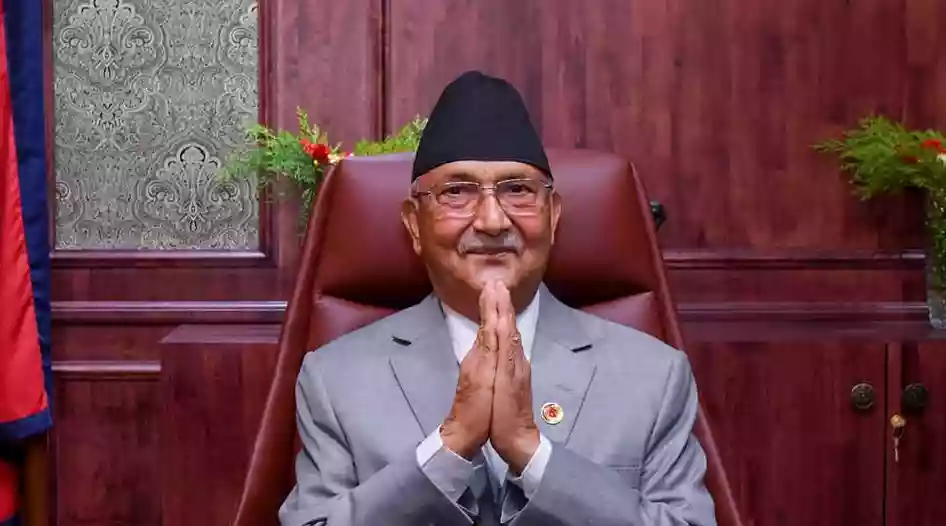
In a stunning political earthquake that's sent shockwaves through Nepal's fragile democracy, Prime Minister KP Sharma Oli has tendered his resignation today just moments back, bowing to mounting pressure from deadly nationwide protests and an unprecedented intervention by former King Gyanendra Shah.
The Gen Z-led demonstrations, sparked by a controversial ban on over two dozen social media platforms and fueled by outrage over rampant corruption and nepotism, have claimed at least 19 lives and injured hundreds in clashes with security forces. Oli's exit comes mere hours after the former monarch publicly expressed deep displeasure with the government's handling of the crisis, openly siding with the protesters and calling for a return to stability under traditional leadership.
This rare alignment between royalist sentiments and youth activism has amplified calls for systemic change, highlighting the deep-seated frustrations in a nation that's seen 14 governments since abolishing the 239-year-old monarchy in 2008. As Kathmandu reels from curfews and arson attacks, Oli's resignation marks a pivotal moment, potentially paving the way for fresh elections or a coalition reshuffle amid fears of further instability.The protests erupted last week when the Oli administration imposed the social media blackout, citing national security concerns but drawing widespread condemnation as an assault on free expression.
Young demonstrators, many still in school uniforms, flooded the streets of Kathmandu and other cities, chanting against "nepo babies" – the elite offspring of politicians flaunting luxurious lives while ordinary Nepalis grapple with poverty and unemployment. Violence peaked on Monday as crowds attempted to storm Parliament, leading to police firing rubber bullets and live rounds, resulting in the tragic deaths.
Home Minister Ramesh Lekhak had already resigned on moral grounds the previous day, submitting his letter during an emergency Cabinet meeting where Oli stubbornly refused to lift the ban. The government's reversal came too late, with social media platforms restored only after the bloodshed, but the damage was done, igniting a firestorm of public fury that even reached the residences of top leaders, including vandalism at former PM Pushpa Kamal Dahal's home.Former King Gyanendra Shah's involvement has added a dramatic layer to the unfolding drama. The 77-year-old ex-monarch, who was ousted in 2008 after his 2005 power grab sparked massive anti-royal protests, has remained a polarizing figure. In recent months, he's hinted at a political comeback, with pro-monarchy rallies in March drawing thousands demanding the restoration of the throne and a Hindu state.
Today, Shah issued a statement lambasting the government's "brutal crackdown" on peaceful protesters, expressing solidarity with the youth and urging an end to the "corrupt republican experiment." This public backing from the former king, who still commands loyalty among conservative and rural factions, has emboldened royalist groups and intensified pressure on Oli.
Analysts see it as a calculated move by Shah to capitalize on the unrest, positioning himself as a unifying symbol in a divided nation where economic woes and political musical chairs have eroded faith in democracy.Oli, a veteran communist leader serving his fourth term since July 2024, faced mounting internal dissent even before the protests. His coalition with the Nepali Congress fractured as ministers walked out of Cabinet meetings over the social media ban, and opposition parties like the Rastriya Swatantra Party demanded his ouster and early elections.
Reports suggest Oli had been preparing to flee to Dubai for "medical treatment" amid bullet fire near his residence, but his aide confirmed the resignation to pave the way for dialogue. The Nepal Army's deployment to secure key sites, including the Prime Minister's office, underscores the gravity of the situation. With the border with India on high alert and international calls for restraint from the UN and rights groups, Oli's departure leaves a power vacuum in a country already battered by economic inequality and youth migration.The economic toll is already evident, with tourism – a lifeline for Nepal – disrupted by flight cancellations and curfews, echoing the chaos that grounded Tribhuvan International Airport earlier. Protesters, undeterred, continue to demand not just the ban's end but accountability for corruption scandals implicating top brass across parties.
As all-party meetings convene to chart a path forward, the king's endorsement risks polarizing society further, blending generational angst with nostalgic royalism. For many young Nepalis, this is a cry for a fairer future; for royalists, a chance to rewind the clock.As Nepal teeters on the brink, Oli's resignation offers a brief respite but no easy answers. The coming days will test whether leaders can bridge divides or if the unrest spirals into broader conflict.
Shah's shadow looms large, reminding everyone that in a nation of diverse ethnicities and faiths, symbols of unity – or division – hold immense power. With the world watching, Nepal's youth have shown their voice can't be silenced, but translating that into lasting reform will require more than a prime minister's fall. The Himalayan republic's next chapter hangs in the balance, between democratic renewal and a royal resurgence.


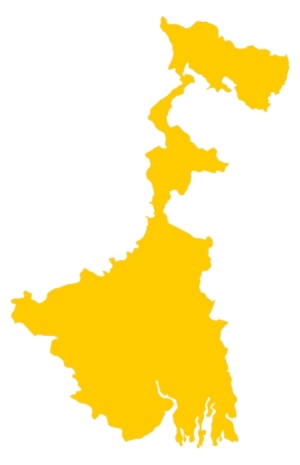 West Bengal
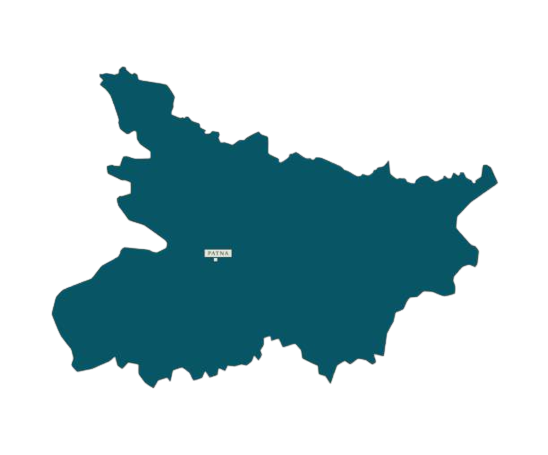 Bihar
Bihar Uttar Pradesh
 Jharkhand