PM will offer Anjali to Maa Durga this Ashtami in Kolkata, receives multiple invitations
.gif)

Download Mobile App 






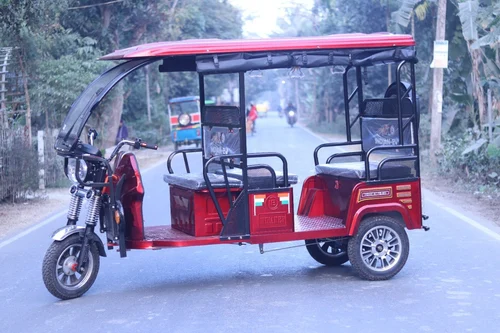
In a bold move to tame the chaotic streets of West Bengal, the state government is rolling out strict new guidelines for toto vehicles—those ubiquitous three-wheelers that ferry passengers across congested urban lanes—mirroring the route restrictions already imposed on autos. No longer will totos be able to overload passengers and dart to any corner of the city unchecked; instead, they'll be confined to designated routes to curb traffic snarls, enhance safety, and boost revenue through mandatory annual taxes.
The Transport Department has held extensive meetings with district administrations, municipalities, toto unions, and police, hammering out clear operational rules that include route fixation, vehicle enumeration, and a crackdown on multiple registrations per individual to end exploitative "money-lending" practices. With an estimated majority of the roughly 50,000 totos on roads operating illegally, this initiative aims to document every vehicle at the district level, assign QR-coded number plates for easy route monitoring, and phase in eco-friendlier e-rickshaws. It's a comprehensive push to modernize last-mile connectivity while addressing longstanding complaints of accidents, jams, and unregulated operations that have plagued Bengal's roads for years.
The guidelines, finalized in recent high-level consultations, emphasize route discipline as the cornerstone of reform. Toto operators will no longer roam freely; instead, local municipalities and panchayats have been tasked with collaborating with unions to define specific paths, especially in high-density areas where overcrowding is rampant. In routes with excess vehicles, a rotation system will be enforced to ensure fair play and prevent monopolies. This comes after toto unions themselves proposed banning multiple registrations under one name, rejecting the "mahajani pratha" where affluent lenders control fleets through proxies, leaving drivers in debt traps. By limiting ownership to one toto per person, the government hopes to empower genuine operators and reduce illegal sub-leasing. Each vehicle will receive a unique number plate embedded with a QR code, allowing quick scans to detect route violations—imagine a simple app check revealing if a toto from Asansol is straying into Kolkata's lanes.For the first time, totos will contribute to the state's coffers through an annual tax, a departure from their current tax-exempt status that has long irked authorities amid rising infrastructure costs. Transport officials revealed that most totos are unregistered and evade oversight, but this will change with mandatory documentation at the district level.
Drivers of aging vehicles—many of which last only two to three years—will get ample time to transition to e-rickshaws during replacements, avoiding abrupt disruptions. "We're not rushing; it's about sustainable change," one official noted, highlighting the department's plan to survey and enumerate totos accurately, a step that's eluded planners until now due to the sheer volume and informality of the sector. This enumeration will not only aid in tax collection but also in enforcing capacity limits, ensuring no more than the prescribed number of passengers per toto to prevent overloading accidents.Safety remains a top priority, building on earlier guidelines that banned three-wheelers like autos and totos from national and state highways—rules that have been flouted with impunity, leading to deadly crashes and slowed goods transport. Traffic officials lament that illegal three-wheelers clog major arteries, causing jams that delay ambulances, freight trucks, and daily commuters, while contributing to fatalities from collisions. "These vehicles are turning highways into bottlenecks, harming both lives and the economy," a senior traffic officer shared, pointing to incidents where overloaded totos have overturned or collided with larger vehicles. To enforce the ban rigorously, police have received fresh directives, with local bodies empowered to designate alternative inner-city routes. This dual approach—strict highway exclusion paired with organized local paths—aims to redirect totos to where they're most needed, without choking vital supply lines.The lack of data has been a persistent headache; neither the exact number of totos nor their operational routes were ever properly tracked, leading to haphazard growth and disputes among operators. Now, with district administrations leading the registration drive, every toto will be formalized, complete with fitness checks and insurance mandates.
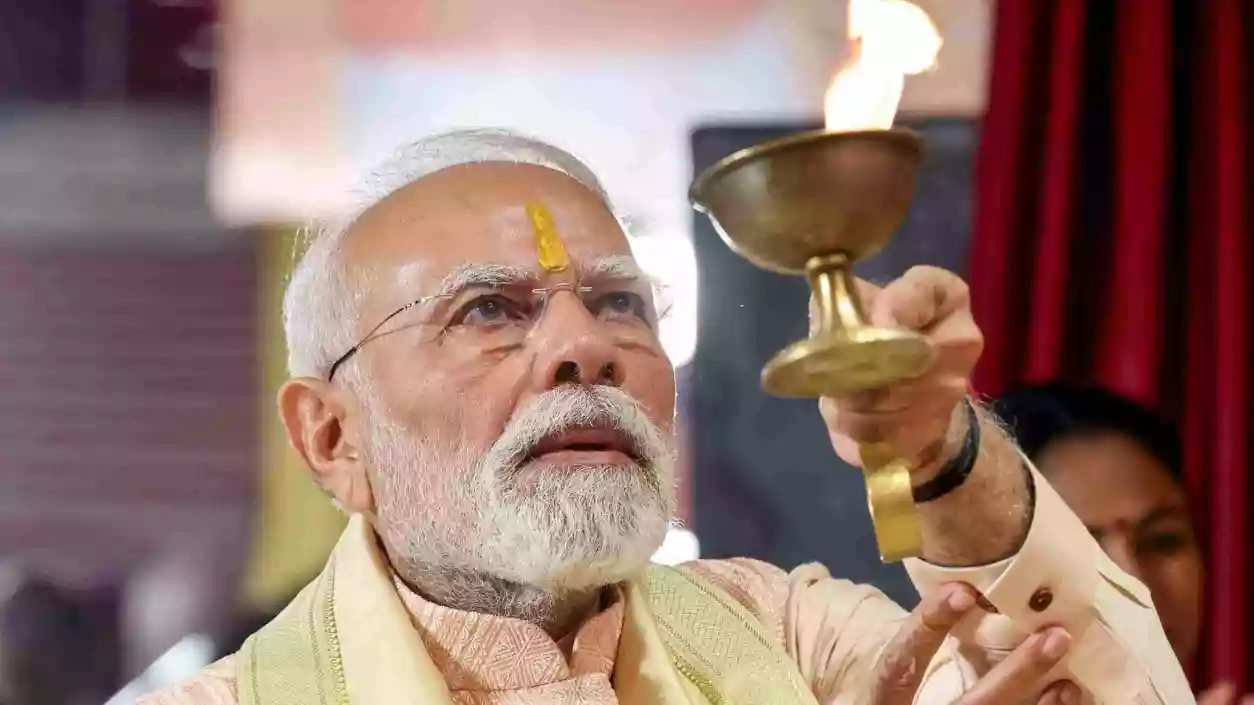
PM will offer Anjali to Maa Durga this Ashtami in Kolkata, receives multiple invitations
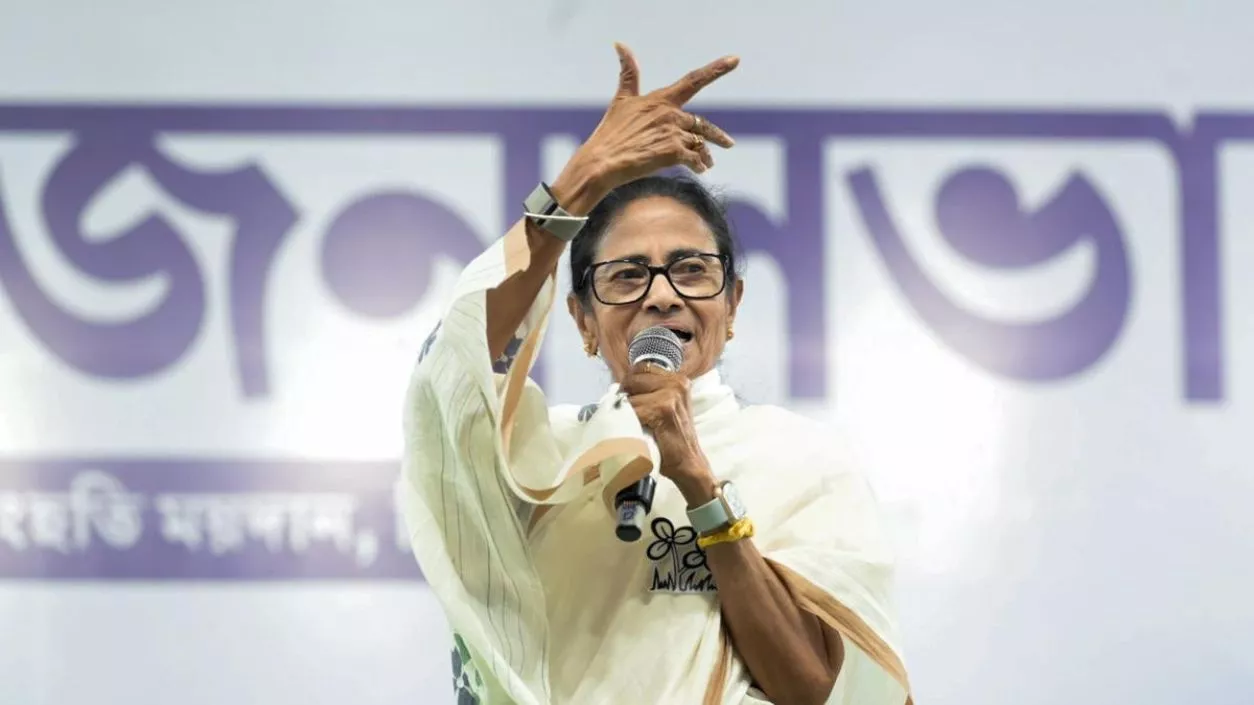
More trouble for Mamata, sedition complaint filed over "controversial comment" against India

 West Bengal
 Bihar
Bihar Uttar Pradesh
 Jharkhand