No eviction drive in Burrabazar & College Street, clarifies KMC Commissioner
.gif)

Download Mobile App 







In a landmark moment for West Bengal's education sector, the West Bengal School Service Commission (WBSSC) is conducting the highly anticipated recruitment exam for assistant teachers in classes 11 and 12 today, drawing lakhs of eager aspirants vying for 12,514 vacant positions after nearly nine years of uncertainty. This exam follows the smooth rollout of the classes 9-10 test on September 7, which saw over 3.19 lakh candidates appear across 636 centers, setting a precedent for transparency and security amid the shadow of past recruitment scandals.
With the Supreme Court's recent cancellation of over 26,000 tainted appointments from the 2016 panel still fresh, today's proceedings carry extra weight, symbolizing a fresh start with revamped processes like OMR sheets with carbon copies for candidates and stringent anti-cheating measures. From 12 PM to 1:30 PM, examinees will tackle a written test under the watchful eyes of CCTV and invigilators, while specially-abled candidates receive an additional 20 minutes—a small but crucial gesture toward inclusivity. No entry without admit cards, mobiles strictly banned, and arrival by 10 AM mandatory; these rules underscore the commission's zero-tolerance stance, ensuring a level playing field in this critical step toward rebuilding trust in public education hiring.
The buildup to this exam has been nothing short of dramatic, marking the first such recruitment drive since 2016, when irregularities led to a prolonged legal battle and a hiring freeze that left classrooms understaffed and aspiring teachers in limbo. For the 11th-12th level, applications poured in earlier this year, with the online window closing on July 21 after opening on June 16, reflecting pent-up demand in a state where higher secondary education has struggled with faculty shortages. Today's test, held simultaneously across multiple shifts at designated centers, is expected to see a turnout comparable to last week's 3.19 lakh for the junior level, where 23,212 posts were up for grabs.
Aspirants, many of whom were juggling part-time jobs or family responsibilities during the wait, arrived early at venues in Kolkata, Howrah, and rural districts, clutching their admit cards like golden tickets. One candidate, Riya Das, a postgraduate from Burdwan, shared her nerves outside a Siliguri center: "Nine years of preparation—finally, a chance to shape young minds without the fear of another scam." The air buzzed with quiet determination, a far cry from the protests that once rocked the streets. Security arrangements are watertight, with police deployment, biometric verification, and electronic jammers ensuring no digital distractions seep in—lessons hard-learned from previous fiascos. Candidates must surrender all electronic devices at the gate, and the OMR sheets' carbon copies allow for immediate personal records, a transparency tool hailed by education watchdogs. For the specially-abled, the extra time isn't just procedural; it's a nod to equity in a system often criticized for oversight. The exam format, blending subject-specific knowledge with general awareness, tests not just rote learning but pedagogical aptitude, aligning with the National Education Policy's emphasis on skilled educators.
As clocks ticked toward noon, centers hummed with the shuffle of answer sheets, invigilators' calls for silence, and the occasional cough echoing in packed halls—a symphony of ambition under pressure. This recruitment wave isn't isolated; it's part of a broader revival for West Bengal's school staffing, with the total 35,726 vacancies across secondary and higher secondary levels announced in the 2nd State Level Selection Test (SLST). The September 7 exam for 9-10 classes proceeded without a hitch, reporting no major incidents despite the massive scale, boosting confidence for today's higher secondary showdown. WBSSC officials, in a pre-exam briefing, stressed the role of randomized seating and real-time monitoring to weed out malpractices. Yet, whispers among queues hinted at underlying anxieties: Will results be timely? How soon until interviews? For many, like single mother Priya Sen from Malda, passing means financial stability and a dream deferred no longer. "My daughter studies by candlelight at home; I want to light her path properly," she said, eyes fixed on the center gate.Beyond the exam halls, the stakes ripple through communities craving qualified teachers for subjects like physics, history, and Bengali in higher secondary boards. The nine-year gap has widened urban-rural divides, with private tuitions filling voids at exorbitant costs for underprivileged families. Today's event, therefore, isn't merely a test—it's a bridge to better classrooms, where innovative teaching can replace outdated methods. Post-exam, the commission plans swift evaluation, followed by document verification and interviews, aiming for appointments by early 2026.
For the 12,514 vacancies, competition is fierce, with success rates hovering around 10-15% based on past trends. Yet, for every passer, it's a victory for resilience. Community groups are already planning support sessions for result day jitters, while unions push for salary hikes to retain talent. As dusk falls over exam centers, West Bengal's teaching aspirants head home, one step closer to classrooms of their own. This September 14 isn't just a date—it's a turning point, reigniting faith in a system poised for renewal, one answer sheet at a time.


.webp)




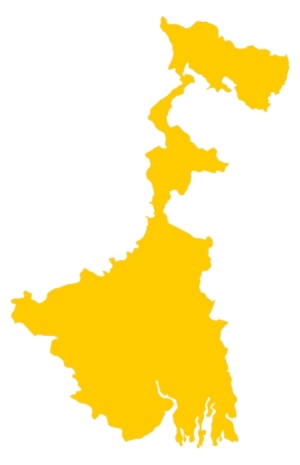 West Bengal
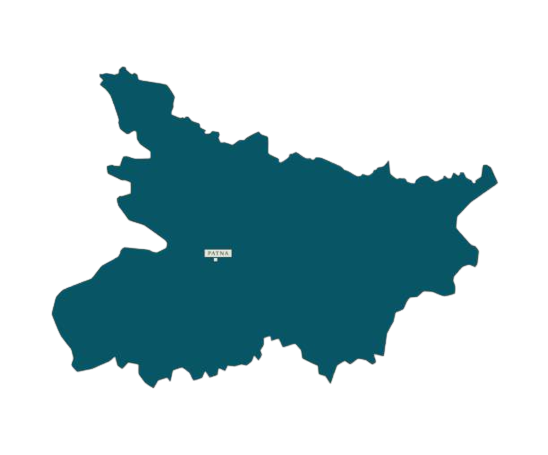 Bihar
Bihar Uttar Pradesh
 Jharkhand