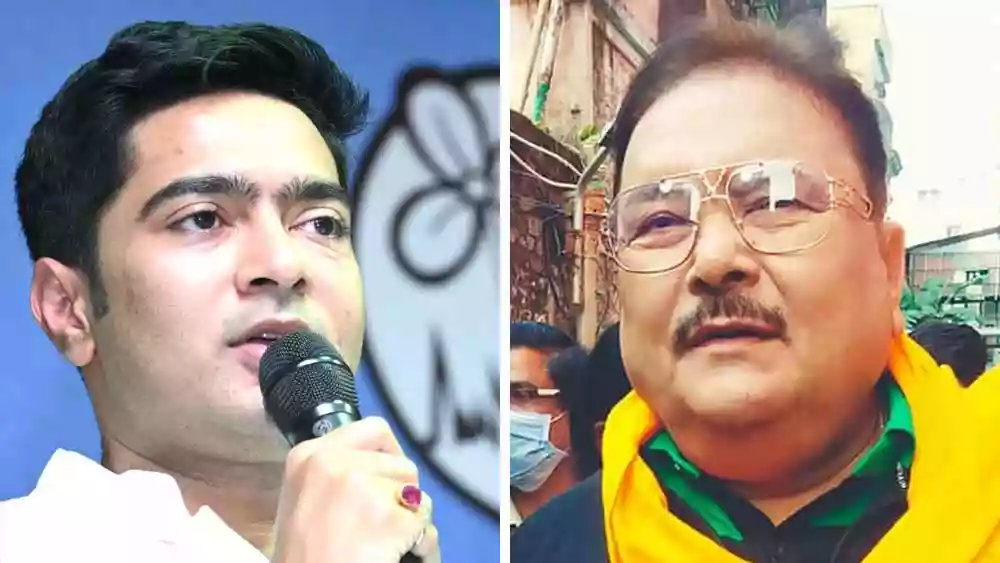
Abhishek slaps 10-crore defamation notice on Madan Mitra over 'murderer' jibe
.gif)

Download Mobile App 






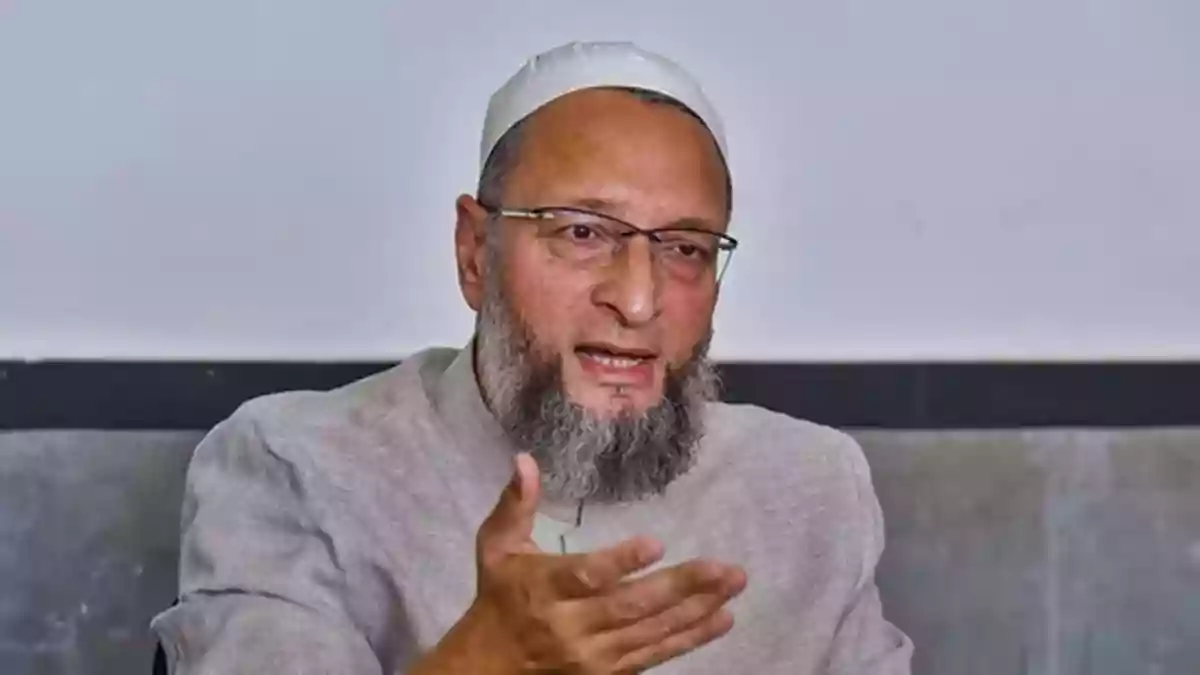
The upcoming India versus Pakistan Asia Cup match has ignited a fierce political and social controversy, with questions being raised about the game’s timing and relevance. Amidst the backdrop of the Pahalgaon terror attack, which claimed the lives of 26 innocent civilians, and the subsequent "Operation Sindoor," opposition parties and the families of the victims have called for a complete boycott of the match. The All India Majlis-e-Ittehadul Muslimeen (AIMIM) chief and Lok Sabha MP, Asaduddin Owaisi, has also joined the chorus of criticism, launching a scathing attack on the central government.
In a strong-worded statement, AIMIM President Asaduddin Owaisi questioned the government's priorities. He asked, "Is the life of our 26 citizens worth less than a few thousand crores? The Prime Minister had said that blood and water cannot flow together, that talks and terrorism cannot go together." Owaisi’s statement directly challenged the government’s stance, using its own past rhetoric to highlight what he perceives as a glaring contradiction.
Owaisi's remarks pointed directly to the financial motivations behind the match. He asked, "How much will the BCCI earn from one cricket match, 2000 crore, 3000 crore? Is the value of money greater than human lives?" This line of questioning has resonated with many who feel that commercial interests are being prioritized over the nation’s mourning and respect for the lives lost in the recent terror attack.
The criticism from Owaisi extends beyond the central government to state leaders. He also questioned the chief ministers of Assam and Uttar Pradesh, asking if they do not have the authority to refuse to play a match against Pakistan. His statement implies a sense of political impotence on the part of these leaders, who, according to him, should be standing up for national sentiment rather than allowing the match to proceed.
The controversy has become a major political flashpoint, with various opposition groups and families of the victims joining the demand for a boycott. Their collective stance is that holding a cricket match with a nation implicated in terror attacks disrespects the memory of the soldiers and civilians who have lost their lives. The match is seen as a symbol of normalization that many find unacceptable in the current climate of heightened tensions.


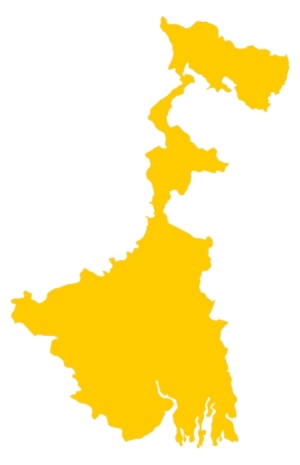 West Bengal
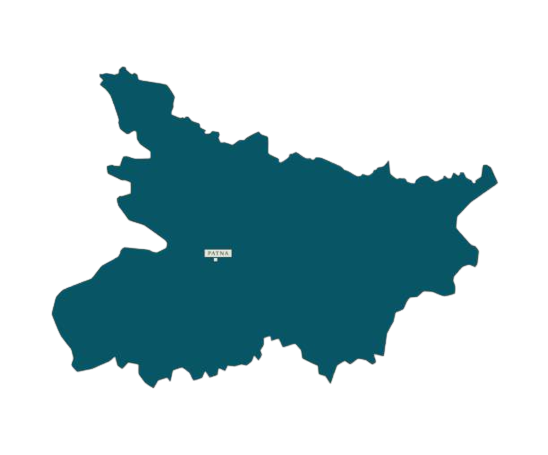 Bihar
Bihar Uttar Pradesh
 Jharkhand