.webp)
"Kolkata to get Water Metro connectivity," says Chief Minister Suvendu Adhikari
.gif)

Download Mobile App 






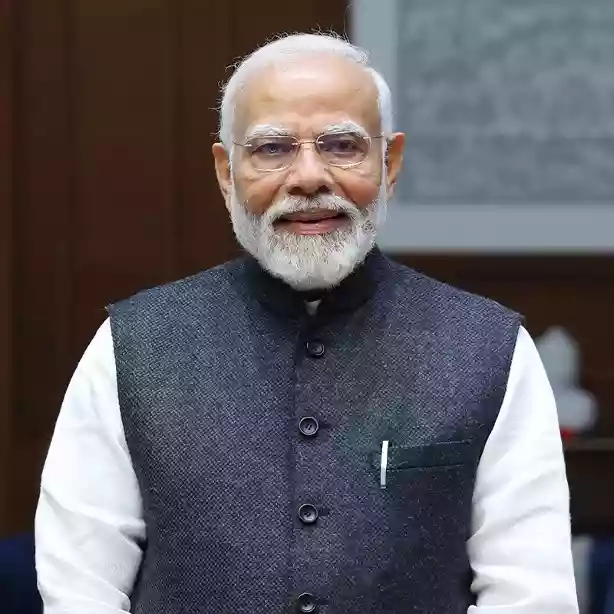
Prime Minister Narendra Modi’s arrival in Kolkata today evening, has set West Bengal’s political pulse racing, as his frequent visits ahead of the 2026 assembly elections stir intrigue about possible electoral strategies. Landing at Netaji Subhas Chandra Bose International Airport from Jorhat, Assam, Modi will head to Raj Bhavan for an overnight stay before inaugurating the 16th Combined Commanders’ Conference at Fort William’s Vijay Durg tommorow, joined by Defence Minister Rajnath Singh, National Security Advisor Ajit Doval, and Chief of Defence Staff General Anil Chauhan, the PM’s presence at this high-stakes defence summit underscores national security priorities, but its timing in poll-bound Bengal has sparked whispers of a deeper political agenda, with analysts and locals alike dissecting every move.
The Combined Commanders’ Conference, running from September 15 to 17, is a cornerstone event for India’s military leadership, focusing on a "strong, secure, and self-reliant India." Modi’s address will likely emphasize strategic preparedness, especially relevant for West Bengal given its sensitive border with Bangladesh. His visit, coming just weeks after a ₹5,200-crore development push in the state on August 22, feels like more than routine governance to many. Political observers speculate whether Modi will hold discreet meetings with BJP’s state leadership or deliver a morale-boosting message to party workers, aiming to chip away at Trinamool Congress’s dominance in the state.Modi’s itinerary is meticulously planned yet brimming with symbolic weight.
Arriving by tonight, PM Modi will be whisked to Raj Bhavan under tight security, with Kolkata’s streets prepped for minimal disruption despite expected traffic diversions. On tommorow morning, around 9:30 a.m., he will open the conference at Fort William, engaging with top military brass on issues from border tensions to technological advancements in defence. By noon, he’s slated to return to the airport, heading to Delhi before continuing his multi-state tour that includes Bihar. This whirlwind schedule reflects Modi’s knack for blending high-level governance with regional outreach.
West Bengal’s political landscape adds a charged backdrop to the visit. The BJP, eager to expand its footprint after securing 12 Lok Sabha seats in 2024 compared to Trinamool’s 29, sees Modi’s presence as a chance to galvanize its base. Local leaders hint at possible closed-door huddles to strategize for 2026, though the PMO insists the focus is solely on the defence conference. Meanwhile, Trinamool supporters view these frequent trips—twice in a month—as a sign of the Centre’s attempt to sway voters through high-visibility events, fueling a narrative of political one-upmanship.
For ordinary Kolkatans, Modi’s arrival blends excitement with curiosity. Supporters throng social media with welcomes, while skeptics question the timing, especially with election fever simmering. Security measures are robust, with police cordons around Raj Bhavan and Fort William to ensure smooth operations. The conference itself, attended by the chiefs of the Army, Navy, and Air Force, is a rare gathering that could influence national policy, making Modi’s role pivotal. Yet, in Bengal’s politically charged air, every gesture—be it a wave or a speech—carries electoral undertones.As Modi prepares to address the commanders, the state watches closely. Will he drop hints of BJP’s game plan, or stick strictly to security matters? His last visit gifted infrastructure; this one might gift momentum to a party hungry for power. For now, Kolkata braces for a brief but impactful 24 hours, where national pride meets regional politics, and the Prime Minister’s every word will be parsed for clues about Bengal’s future.





 West Bengal
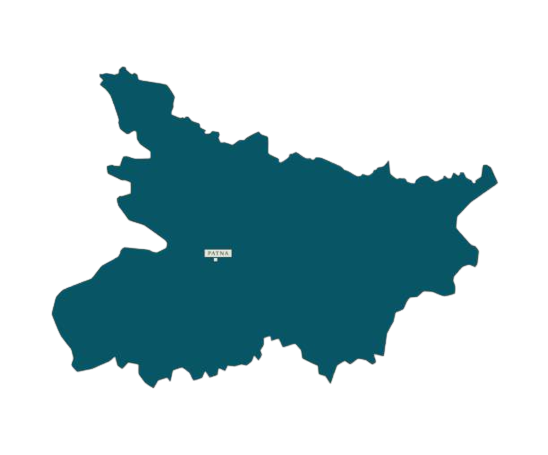 Bihar
Bihar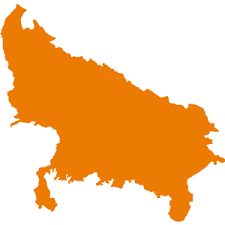 Uttar Pradesh
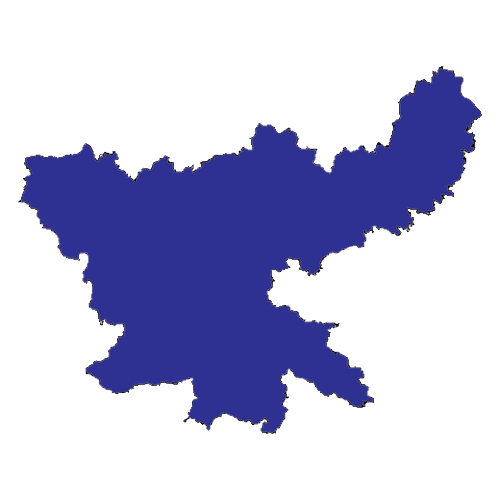 Jharkhand