CM Suvendu slashes "red-tape' on MLA petitions, issues 7-day deadline; Firhad Hakim praises decision
.gif)

Download Mobile App 









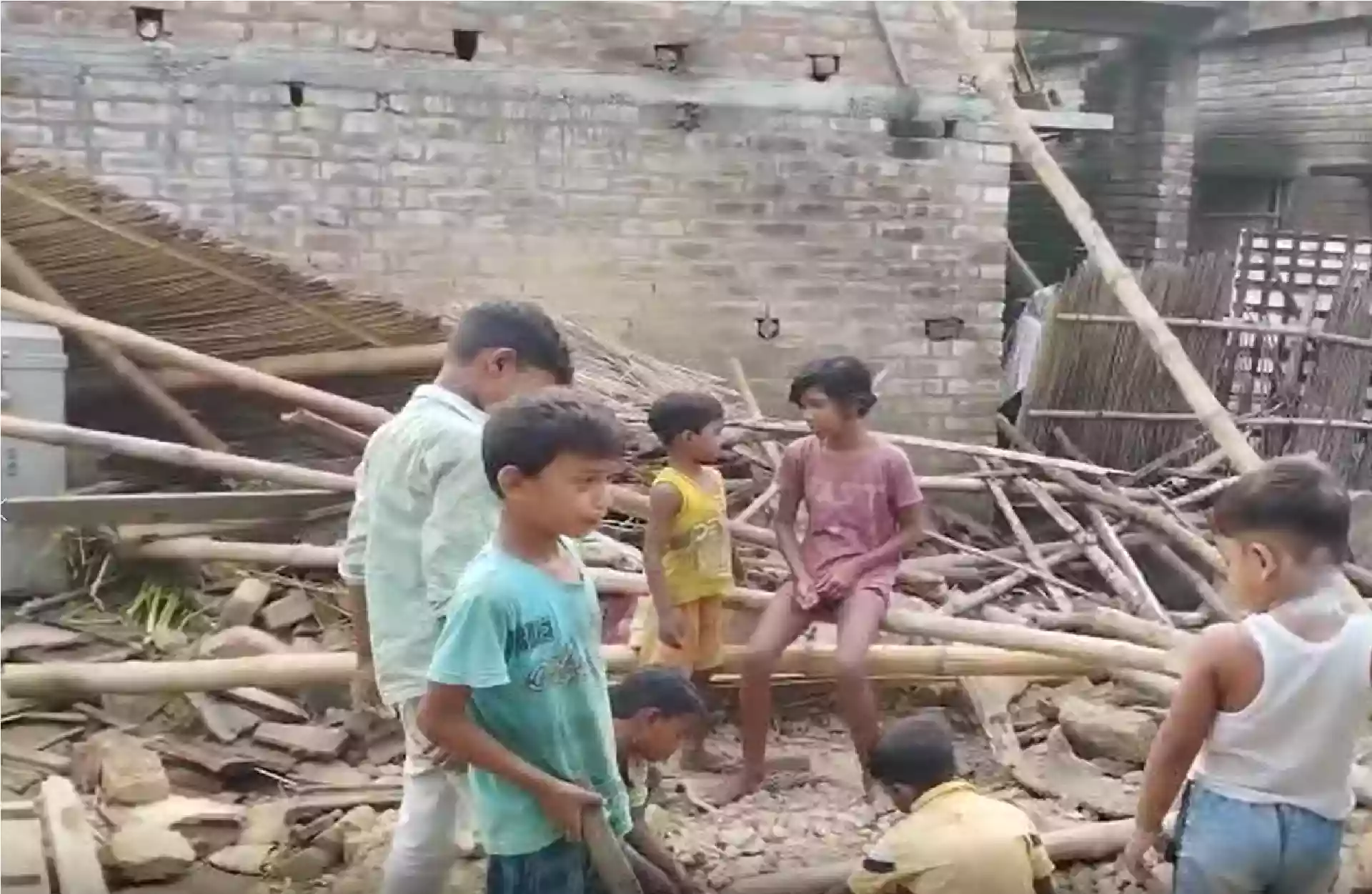
When the relentless drumbeat of monsoon rains should have lulled a quiet neighborhood to sleep, tragedy struck with brutal suddenness in Murshidabad's Domkal Municipality, where a dilapidated house wall gave way, burying a sleeping family under rubble and sending shockwaves through the close-knit community of Ward 20's Aminabad area. It was around midnight on a rain-soaked Saturday when the structure, battered by hours of unyielding downpour since evening, collapsed on Kajla Bibi (45), her sister Nanita Khatun (35), brother-in-law Gulam Dostagir (45), and young nephew Gulam Hasan (5), leaving all four with serious injuries that demanded immediate medical attention. Local accounts paint a harrowing picture of vulnerability in rural Bengal, where aging homes often teeter on the edge of endurance against nature's fury, exacerbated by the region's frequent flooding and poor infrastructure.
As neighbors rallied in the chaos, their frantic rescue efforts underscored the raw humanity amid disaster, rushing the victims to Domkal Super Speciality Hospital where doctors battled to stabilize the battered survivors— a stark reminder that in flood-prone Murshidabad, one storm can unravel lives built on fragile foundations.The sequence of events unfolded like a nightmare scripted by the skies: heavy showers from Saturday afternoon had turned streets into rivulets and saturated the earth, weakening the already crumbling walls of the modest home where the family had sought refuge from the deluge. Kajla and her kin, ordinary folk woven into the fabric of Aminabad's daily rhythms—perhaps farmers or daily wage earners eking out a living along the Bhagirathi River's banks—had no inkling that their evening rest would end in peril. The wall's thunderous fall, described by witnesses as a "deafening roar that shook the village," pierced the night's hush, alerting nearby residents who, despite the lashing rain, poured out in pajamas and slippers to lend hands and hearts.
Swift action by the impromptu rescue squad proved lifesaving; using bare hands, torches, and whatever tools lay at hand, they sifted through the debris, extracting the trapped individuals one by one amid cries for help and the persistent patter of rain. The injured were bundled into autos and bikes for the urgent dash to the hospital, where initial reports indicate fractures, lacerations, and possible internal injuries for the adults, while the five-year-old's smaller frame mercifully absorbed less of the collapse's force. By dawn, the family was out of immediate danger, but the incident had left an indelible scar on the locality, prompting whispers of overdue repairs and warnings ignored. This collapse isn't an isolated horror in Murshidabad, a district notorious for its monsoon woes, where the Ganges' tributaries swell unpredictably, eroding riverbanks and compromising structures year after year. Domkal, perched on the edge of such watery perils, has seen its share of similar calamities—floods that submerge villages, homes that succumb to waterlogged soils—yet resources for reinforcement often lag behind the threats. Local authorities, including the municipality's disaster management cell, have been criticized for reactive rather than preventive measures, with calls growing louder for subsidized retrofitting programs to bolster vulnerable dwellings. The event echoes broader patterns in West Bengal's rural belts, where climate change amplifies rainfall intensity, turning routine showers into existential threats for the underprepar
Aminabad buzzed with a mix of relief and resolve; community leaders convened impromptu meetings at the local mosque, pooling funds for the family's recovery while pressing the ward councilor for structural audits. Kajla's husband, absent during the ordeal but now by her bedside, spoke through tears of gratitude for the neighbors who became saviors, vowing to rebuild stronger if aid arrives. The child, Gulam Hasan, with his innocent eyes bandaged but spirits unbroken, became a poignant symbol—playfully asking for his favorite sweets from his hospital bed—reminding all that resilience blooms even from ruin.In the aftermath, as cleanup crews cleared the wreckage under clearing skies, the incident serves as a clarion call for systemic change. Advocacy groups are already mobilizing, urging state intervention with early warning systems and resilient building codes tailored to Bengal's watery wrath. For now, though, in the quiet lanes of Aminabad, the focus remains on healing: prayers for the mending family, shared meals with well-wishers, and a collective hope that the next storm spares them the terror of falling walls. Murshidabad's monsoons may rage on, but so does the unyielding spirit of its people, piecing together life one careful brick at a time.







 West Bengal
 Bihar
Bihar Uttar Pradesh
 Jharkhand