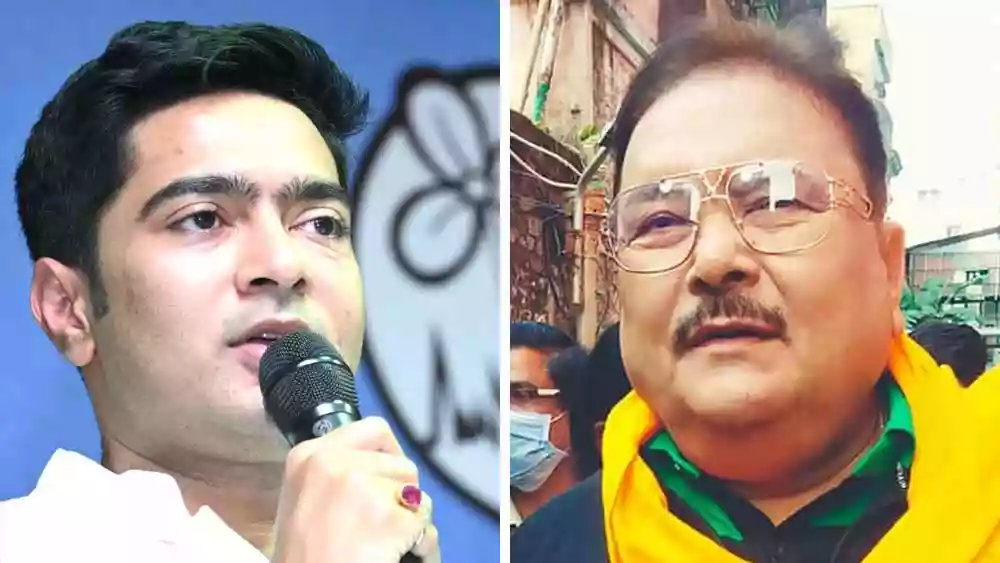
Abhishek slaps 10-crore defamation notice on Madan Mitra over 'murderer' jibe
.gif)

Download Mobile App 







As the first rays of Navratri dawn today, India wakes up to not just the rhythmic beats of garba but also the jingle of savings bells with the launch of the much-anticipated GST Bachat Utsav. This isn't your average tax tweak—it's a nationwide extravaganza rolling out next-generation GST 2.0 reforms that slash rates across everyday essentials, promising to inject over Rs 2.5 lakh crore back into the pockets of consumers annually. Prime Minister Narendra Modi, in a stirring address to the nation on the eve of the festival, hailed it as a "double bonanza" for the poor and burgeoning neo-middle class, where income up to Rs 12 lakh stays tax-free and GST slabs shrink to just 5% and 18% for most goods and services.
From electronics to apparel, packaged foods to hotel stays, prices are set to dip, turning the festive season into a true celebration of affordability and self-reliance under the Aatmanirbhar Bharat banner. With e-commerce giants like Amazon, Flipkart, and Reliance Retail roped in for a 100-day blitz, expect flash sales, awareness drives, and "GST Bachat Pack" labels popping up everywhere—making compliance not just mandatory, but a badge of pride for businesses.The roots of this utsav trace back to the historic 2017 GST rollout, which unified India's tangled web of taxes into a single, seamless system. But as the economy roared forward, so did the need for evolution.
Enter GST 2.0: a streamlined overhaul that axes the cumbersome 12% and 28% slabs, retaining only two core rates while slapping a 40% levy on sin goods like tobacco, aerated drinks, and luxury rides such as yachts or high-end bikes. This isn't mere paperwork—it's a game-changer for households stretched thin by inflation. Imagine stocking up on durables like washing machines or smartphones without the sting of high duties; or planning a family getaway with cheaper travel and lodging tariffs. PM Modi emphasized that these tweaks aren't isolated—they're woven into a broader tapestry of reforms lifting 25 crore people out of poverty in the last decade, fueling a dynamic middle class hungry for dreams once out of reach.
Businesses, especially the unsung heroes of India's economy—the MSMEs and small traders—are poised to thrive like never before. Simplified compliance means less red tape, quicker refunds, and a level playing field that invites global investment. Cottage industries churning out handlooms or spices can now compete without the drag of complex filings, while e-tailers are mandated to flaunt those savings loud and clear on invoices. The government's directive to platforms like Zomato, Uber, and Meesho ensures the message hits home: every swipe, every delivery now carries the echo of reduced taxes. Modi urged entrepreneurs to embrace the "Nagrik Devo Bhava" ethos—treating citizens as gods—by passing on every paisa saved, fostering a virtuous cycle where empowered buyers fuel local growth.Yet, the real magic of GST Bachat Utsav lies in its timing and reach.
Launching alongside Navratri, it syncs with the cultural fervor of Durga Puja, Diwali, and beyond, stretching through a 100-day campaign until December 31. BJP's seven-day spotlight from September 22-29 will amp up the buzz with rallies and digital drives, but the sustained push via retail chains promises deeper penetration. For the average urban millennial juggling EMIs and aspirations, or the rural farmer eyeing better seeds at lower costs, this utsav democratizes prosperity. It's a reminder that policy can pulse with the people's rhythm—turning abstract reforms into tangible joys like gifting that extra sari or hosting a lavish puja without budget blues.Critics might whisper about revenue dips for the exchequer, but early indicators paint a rosier picture: lower evasion through tech-driven enforcement and a consumption boom that could swell indirect tax collections organically.
States, once wary of federal overreach, now stand united as equal partners, with every rupee recirculating to bolster infrastructure and jobs. As brands gear up for a projected 18-20% surge in ad spends this fiscal, the utsav isn't just about discounts—it's a masterstroke in behavioral nudge, encouraging 'Made in India' pride over imports. Shopkeepers beaming as they slash tags embody this shift, proving that when government and ground-level hustlers align, the economy dances to a happier tune.Looking ahead, GST Bachat Utsav sets the stage for bolder strides toward a $5 trillion economy. It whispers of future tweaks—perhaps green incentives or digital-first filings—that keep India agile in a volatile world. For now, though, it's a clarion call to celebrate: light that diya, hit 'buy now,' and savor the savings. In a nation where festivals are lifelines, this one redefines festivity—not with fireworks alone, but with financial fireworks that light up lives long after the utsav fades.




 West Bengal
 Bihar
Bihar Uttar Pradesh
 Jharkhand