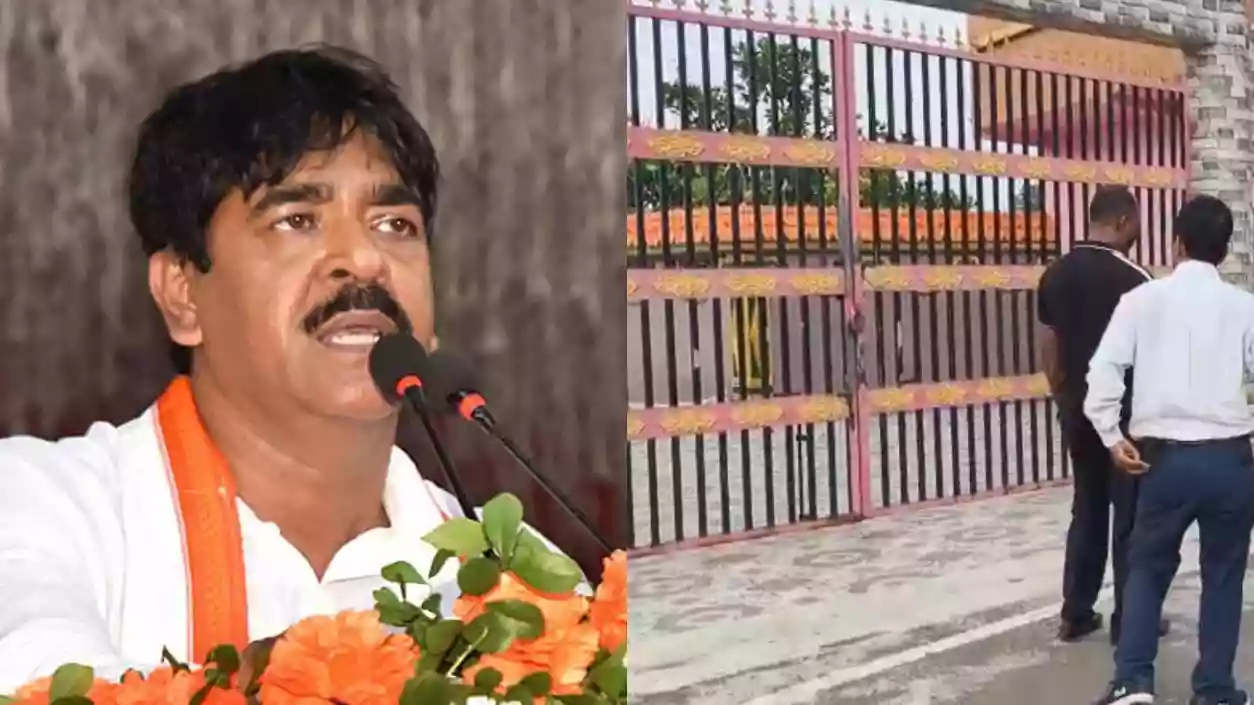
NIA searches Saokat Molla’s home and party office, son questioned in Bhangar blast case
.gif)

Download Mobile App 







In the shadow of a gut-wrenching tragedy that claimed 260 lives on a sweltering June afternoon, the Supreme Court of India today, delved into a high-stakes Public Interest Litigation demanding an independent, court-monitored probe into the catastrophic crash of Air India Flight AI171, spotlighting allegations of regulatory conflicts, selective data leaks, and a rush to blame pilots that has families, aviation experts, and the nation reeling from questions of accountability and safety. Barely minutes after takeoff from Ahmedabad's Sardar Vallabhbhai Patel International Airport on June 12, the Boeing 787 Dreamliner plummeted into a fiery inferno, its fuel cutoff switches mysteriously flipped to "CUTOFF," according to a preliminary report from the Aircraft Accident Investigation Bureau (AAIB)—yet the document's glaring omissions, including full cockpit voice transcripts and flight data recorder outputs, have fueled suspicions of a whitewash.
Filed by the Safety Matters Foundation, an NGO helmed by veteran pilot Capt. Amit Singh, the PIL under Article 32 accuses the probe of bias, with three DGCA officers—regulators under fire for oversight lapses—sitting on the five-member panel, a conflict that petitioners say erodes public trust and flouts ICAO norms. As benches of Justices Surya Kant and N. Kotiswar Singh grilled the Centre on leaks stoking "pilot error" narratives, the hearing laid bare a deeper malaise: in an industry where one faulty switch can doom hundreds, is India's aviation watchdog guarding the skies or guarding its own? With no interim orders but a firm notice issued, the case promises a reckoning that could ground more than just suspicions.
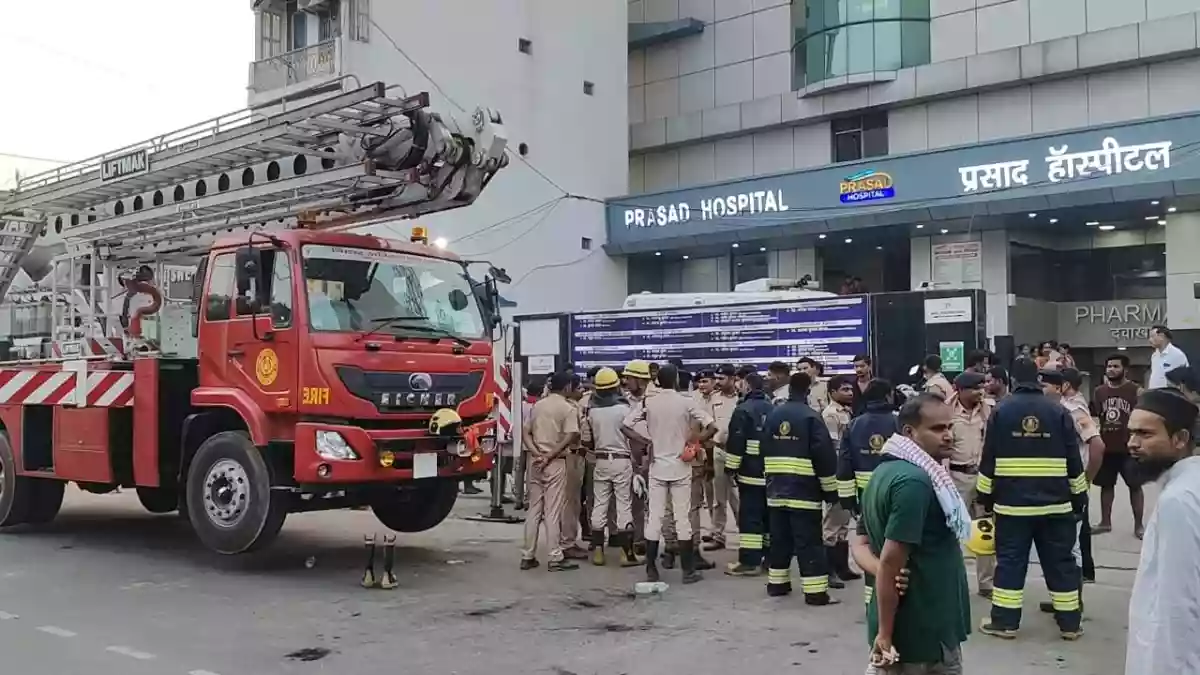
The crash's immediate aftermath was a tableau of devastation: twisted wreckage strewn across a residential pocket, black smoke billowing over Ahmedabad's skyline, and anguished kin collapsing outside hospitals as rescuers pulled survivors—miraculously few—from the mangled fuselage. Flight AI171, bound for London with 230 passengers and 12 crew, had barely climbed to 625 feet when alarms blared in the cockpit; pilots radioed a mayday about dual engine failure before the plunge, a sequence the AAIB's July 12 preliminary report pinned tentatively on human hands moving those fateful switches. But the 50-page document, released amid mounting pressure, played coy with critical evidence: no timestamps on voice recordings, no electronic fault logs, and a cryptic line about a pilot querying the fuel cutoff—details that exploded into media frenzy, branding the senior captain negligent or even suicidal before facts could settle.
Families, clustered in makeshift vigils, decried the "blame game," while pilots' unions echoed the PIL's cry: this isn't just about one flight; it's a symptom of systemic rot, from rushed certifications to ignored maintenance red flags on aging fleets.Prashant Bhushan, the petitioner's counsel with a flair for piercing institutional veils, didn't mince words before the apex court, slamming the DGCA's dual role as both accused and investigator: "How can officers of the very organization whose role is likely to be examined be part of the inquiry?" He wove in expert analyses—from aviation podcasts dissecting electrical glitches to black box whispers of cascading failures—arguing the report's leaks were no accident but a deliberate deflection from deeper flaws, perhaps in Boeing's wiring or Air India's protocols. Justice Surya Kant, his brow furrowed under the courtroom's weighty hush, called the piecemeal disclosures "very unfortunate," underscoring a principle as old as justice itself: "Instead of piecemeal leaking of information, somebody should maintain confidentiality till regular inquiry is taken to logical conclusion."
The bench's restraint—no rush to unseal the black box, no immediate ouster of conflicted probesters—reflected a judiciary threading the needle between urgency and evidence, yet their notice to the Union on the core plea for an "expeditious and independent" expert-led inquiry signals a potential pivot toward transparency that could rewrite aviation accountability.This PIL isn't an isolated flare-up; it's the latest in a string of aerial alarms that have the skies on edge. Just weeks prior, another petition sought grounding Air India's Boeing 787s for safety audits, still languishing unlisted, while a doctors' letter implored suo motu action for victim compensation—a plea the court had noted but dismissed in August, granting liberty to refile. Broader strokes reveal a canvas of concern: India's aviation boom, with passenger numbers surging 15% yearly, strains regulators already under ICAO scrutiny for delays in incident reporting, as per the Chicago Convention's Annex 13. Capt. Singh's foundation, born from his own cockpit close calls, frames the stakes starkly: without an impartial lens, future flyers board with a hidden gamble, their right to life under Article 21 dangling by unexamined threads. As the hearing wrapped without fanfare, whispers in the corridors hinted at amicus curiae briefs from global watchdogs, a chorus that could amplify the call for reforms—from mandatory third-party probes to whistleblower shields for ground crew.
For the 260 souls lost—dreamers en route to new chapters, families mid-reunion—these legal volleys are cold comfort, but they stir a simmering resolve among survivors and kin, who pack court benches with placards demanding "Justice, Not Excuses." Air India, still tallying Rs 500 crore in liabilities, faces a PR maelstrom alongside scrutiny of its training regimens, while Boeing's shadow looms large, its 787s under FAA microscopes post-global glitches. The Centre's response, due in weeks, will test its mettle: will it defend the AAIB's turf or yield to a hybrid model blending CBI rigor with NTSB expertise? Justice Kotiswar Singh's parting shot cut to the chase: in tragedies this vast, "confidentiality is the most important thing," lest media's "irresponsible" rush—fueled by anonymous drips—poison the well before truth surfaces. As Ahmedabad's monsoons fade, the PIL's momentum builds, a beacon for the bereaved and a blueprint for safer wings.
Ultimately, this Supreme Court showdown transcends one downed jet; it's a litmus for India's aerial ascent, where growth can't eclipse governance. If the bench mandates a clean-slate inquiry—perhaps under a retired judge's watchful eye—it could catalyze overhauls: digitized black boxes with tamper-proof chains, AI-flagged anomalies in flight logs, and DGCA firewalls against self-audits. For Capt. Singh, a man who's flown through turbulence literal and litigious, victory lies not in verdicts but in vigilance: "We fly not just planes, but promises—to get home safe." As the diary marks this as Diary No. 53715/2025, the skies hold their breath, waiting for the gavel to ground the ghosts of AI171 and lift the fog on flights yet to come.







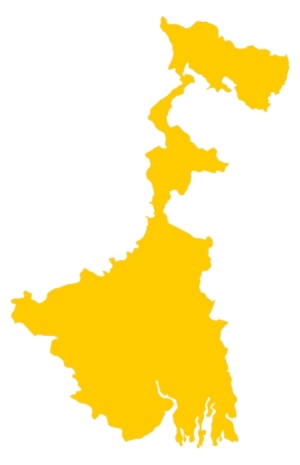 West Bengal
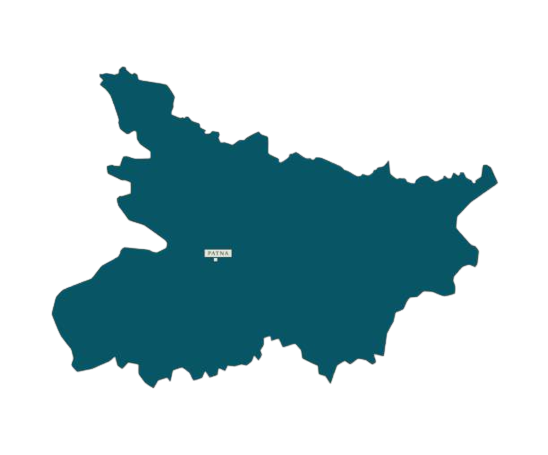 Bihar
Bihar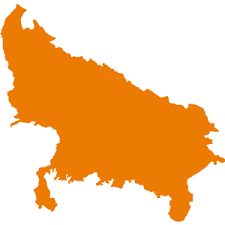 Uttar Pradesh
 Jharkhand