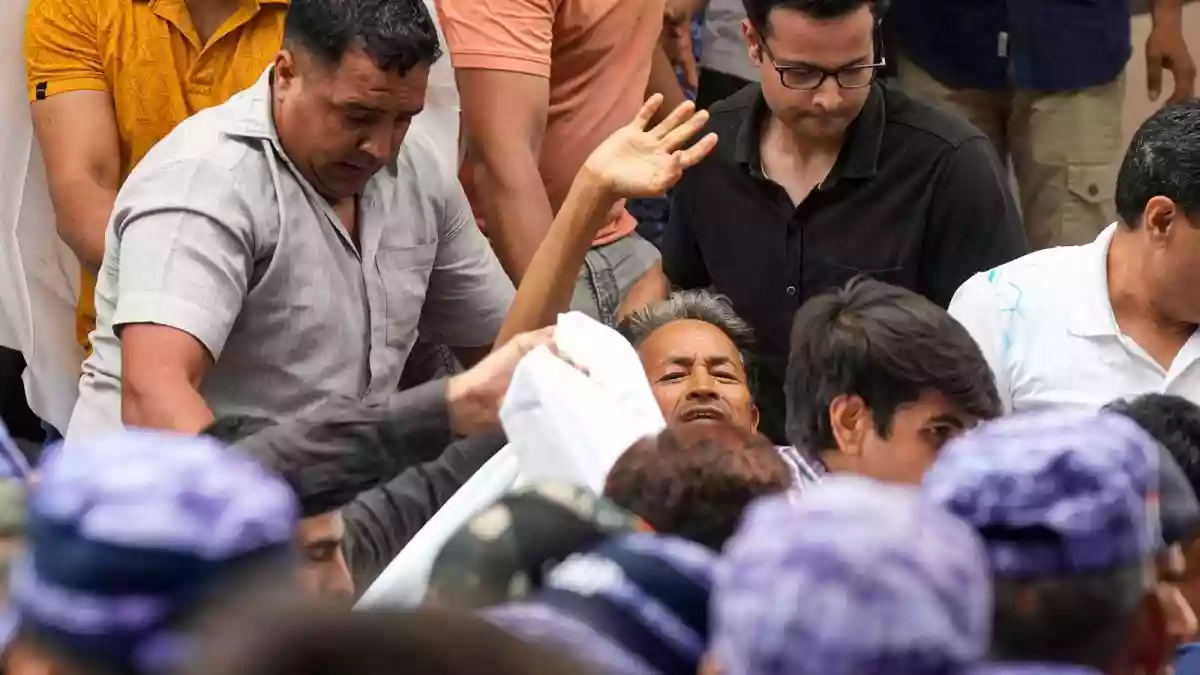
Sonam Wangchuk vows to continue hunger strike as CJP reclaims Jantar Mantar stage
.gif)

Download Mobile App 







In the electrifying cauldron of Indo-Pak cricket, where every ball carries the weight of history and every cheer echoes with rivalry, the Board of Control for Cricket in India (BCCI) has drawn a firm line in the sand. Today, just days after a tense Asia Cup Super 4s clash in Dubai on September 21, the BCCI lodged a formal complaint with the International Cricket Council (ICC) against Pakistan's fiery pacer Haris Rauf and opener Sahibzada Farhan for their "shameless and provocative antics" that crossed into unsportsmanlike territory. Rauf, still smarting from chants of "Kohli, Kohli" referencing his infamous 2022 T20 World Cup drubbing, mimicked shooting down an aircraft—a blatant nod to India's 2019 Balakot airstrike—while Farhan celebrated his half-century by brandishing his bat like an AK-47, firing imaginary bullets skyward.
These gestures, captured on viral videos, ignited outrage among Indian fans and officials, who decried them as insensitive amid real-world tragedies like the Pahalgam terror attack that claimed 26 lives earlier this year. With the ICC acknowledging the email and summoning explanations, Rauf and Farhan now teeter on the brink of sanctions, from fines to match bans, in a saga that underscores cricket's fragile truce between sport and geopolitics.The match itself was a thriller, with Suryakumar Yadav's India chasing down 172 for a six-wicket win, powered by a blistering 100-run opening stand from Shubman Gill and Abhishek Sharma. But off the field, tensions simmered hotter than the Dubai sun. Haris Rauf, the 31-year-old express bowler known for his raw pace and short fuse, had already traded heated words with Sharma during his spell, reportedly hurling abuses at the Indian openers.
Yet, for the BCCI, it was the final straw in a pattern of escalating barbs that threatened the game's spirit.The BCCI's swift escalation isn't isolated; it's a riposte to the Pakistan Cricket Board (PCB)'s own gripes, including complaints against Yadav for "political" post-match remarks and even umpiring decisions. Sources within the Indian board emphasized that the filing, submitted via email on Wednesday, details the gestures as violations of the ICC Code of Conduct—specifically clauses on bringing the game into disrepute and abusive behavior. "This isn't about settling scores; it's about preserving cricket's sanctity," a BCCI official told reporters, highlighting how such antics could inflame bilateral ties further.
The ICC, under match referee Jeff Davies, has a track record of stern action—remember Rauf's own 2022 fine for similar sledging—and insiders predict a hearing where the duo must justify their "heat-of-the-moment" defenses.As the dust settles in Dubai, the fallout reverberates across borders. In Pakistan, supporters rally behind their players, viewing the gestures as harmless bravado in a high-stakes derby, while Indian politicians like AAP's Saurabh Bharadwaj decry them as "insults to the nation," fueling boycott calls. For Rauf, already under scrutiny for his temper, this could jeopardize his IPL aspirations or central contracts; Farhan, a rising star in domestic circuits, risks stalling his international push. Assistant coach Ryan ten Doeschate praised India's restraint amid the provocations, noting, "It would have been easy to lose our cool, but we stayed classy."
Yet, critics argues the ICC must wield the hammer decisively to deter future escalations, lest cricket's gentlemanly facade crumble under partisan fire.This chapter in the eternal Indo-Pak saga serves as a stark reminder: on the pitch, boundaries are blurred between passion and peril. As Rauf and Farhan await their reckoning, the cricket world watches, hoping the ICC's verdict restores equilibrium. In a sport that unites billions, such provocations don't just scar reputations—they risk scarring the game itself, turning a gentleman's duel into a diplomatic minefield. For now, the ball's in the ICC's court, but the echoes of those gestures linger, a cautionary tale of antics unchecked.



.webp)

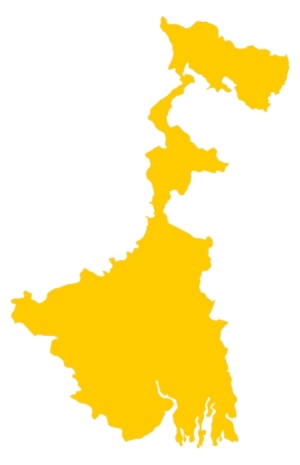 West Bengal
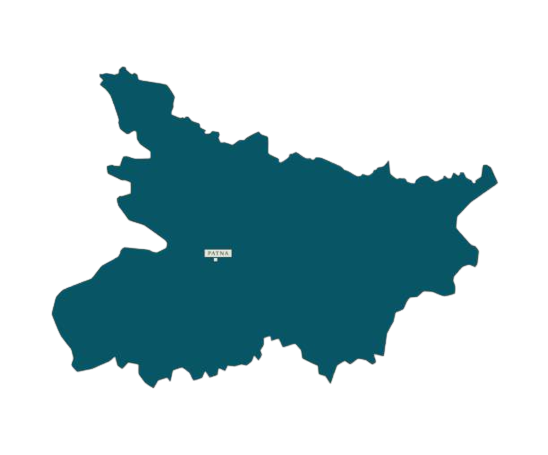 Bihar
Bihar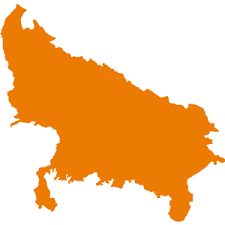 Uttar Pradesh
 Jharkhand