CM Suvendu slashes "red-tape' on MLA petitions, issues 7-day deadline; Firhad Hakim praises decision
.gif)

Download Mobile App 










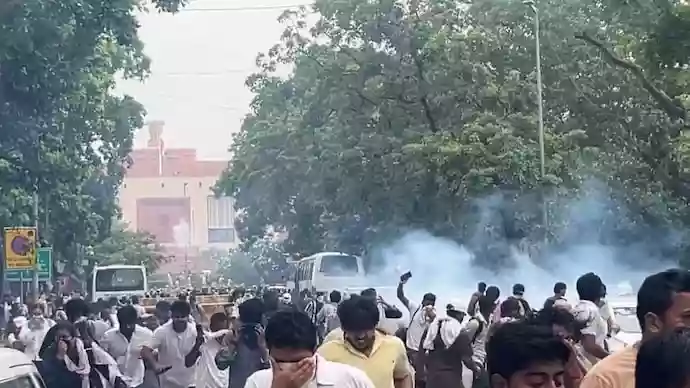
In Domkal's Nischintapur village where the daily hum of rural life in West Bengal's Murshidabad district is punctuated only by the call to prayer or the chatter of children, tragedy struck with deafening force on a sweltering today afternoon where Siddhatun Khatun, a 38-year-old homemaker and devoted mother of three, became the unintended victim of a clandestine operation right in her own modest house. Preliminary police investigations point to an ill-fated attempt at assembling crude bombs—likely for local fireworks or worse, illicit trade—that spiraled into catastrophe. A single spark, a misplaced wire, or the volatile mix of chemicals ignited an explosion that ripped through the air, hurling shrapnel and flames that left Siddhatun critically injured. Rushed to Domkal Subdivisional Hospital amid the chaos of screaming neighbors and acrid smoke, she fought valiantly but succumbed to her wounds during emergency treatment. This heartbreaking incident not only shatters a family but exposes the perilous underbelly of unregulated explosive handling in remote Indian hamlets, where economic desperation often dances with danger.
The blast occurred around today afternoon 2 PM, transforming Siddhatun's unassuming home into a scene of devastation. Eyewitnesses, including her husband and young children who were playing nearby, recounted a sudden "thunderclap" that shook the flimsy mud walls and sent debris flying like shrapnel from a battlefield. Siddhatun, who was reportedly assisting or overseeing the bomb-binding process—perhaps roped in by relatives or local contacts—was caught at the epicenter. Her body bore the brutal marks of the inferno: severe burns across her torso, lacerations from flying metal fragments, and internal injuries from the concussive force. Neighbors, jolted from their midday siestas, rushed in with buckets of water to douse the flames that threatened to engulf the thatched roof. The acrid stench of gunpowder lingered long after, a grim reminder of how thin the veil is between routine and ruin in these forgotten corners.
Siddhatun wasn't just a statistic in this grim tale; she was the resilient backbone of her family. Hailing from Ghoramara, under Domkal Police Station, she balanced household chores with occasional odd jobs to support her husband's meager earnings as a daily laborer. Friends and relatives paint her as a warm soul— "She was the one who made our home feel like a haven," her elder sister wept, clutching a faded photo. With dreams of sending her children to better schools in nearby Berhampore, Siddhatun's life was one of quiet aspirations, now cruelly cut short by an activity shrouded in secrecy and peril.
Emergency responders arrived within 20 minutes, a testament to the village's tight bonds, but it was too late to alter the grim trajectory. Paramedics from the local health center stabilized her en route to Domkal Hospital, where a team of overworked doctors battled smoke inhalation and hemorrhagic shock in a facility strained by rural demands. Despite frantic efforts—IV fluids, oxygen masks, and surgical interventions—Siddhatun's vital signs faded under the harsh fluorescent lights. By late afternoon, the pronouncement came: Her body, wrapped in a white shroud per Islamic rites, was prepared for burial as the sun dipped low, casting long shadows over a community in collective mourning.
As investigators from Domkal Police sifted through the wreckage—charred fuses, scattered powder residues, and makeshift molds—questions swirled about the origins of this deadly endeavor. Was it for Diwali fireworks, a common rural side hustle gone awry, or something more sinister tied to regional smuggling networks? No arrests have been made yet, but police suspects involvement of a small group of locals with prior whispers of explosive tinkering. The site, cordoned off with yellow tape fluttering in the breeze, revealed no sophisticated setup, just the heartbreaking amateurism that amplifies such risks. Forensic teams from Murshidabad are en route, promising a deeper probe into chemical traces that could unravel a web of illicit commerce.
This isn't an isolated echo in Bengal's countryside; similar homemade blasts have claimed lives from Malda to Nadia, often linked to the lucrative but lethal trade in country bombs for festivals or conflicts. Activists decry the lack of awareness campaigns and stringent monitoring in these porous border areas near Bangladesh, where porous enforcement lets danger fester. The children, orphaned in spirit if not fully, huddle with relatives, their futures a fragile thread in the wake of loss. In the end, this tragedy isn't just about one woman's untimely end—it's a stark siren for safer paths in a world where survival sometimes explodes in your hands







 West Bengal
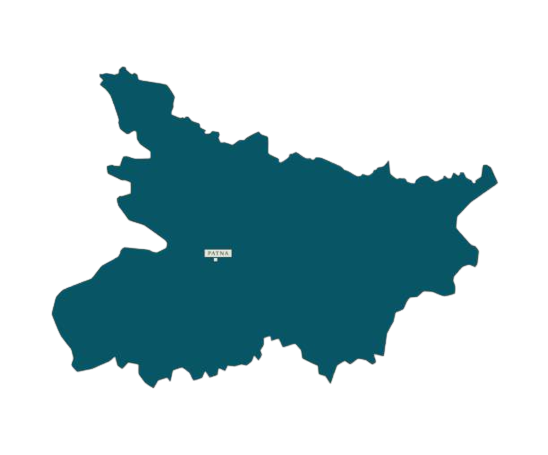 Bihar
Bihar Uttar Pradesh
 Jharkhand