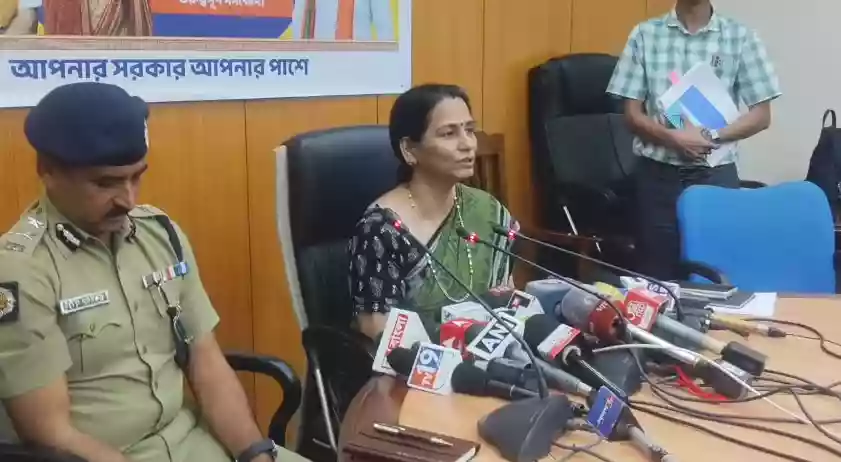
No eviction drive in Burrabazar & College Street, clarifies KMC Commissioner
.gif)

Download Mobile App 






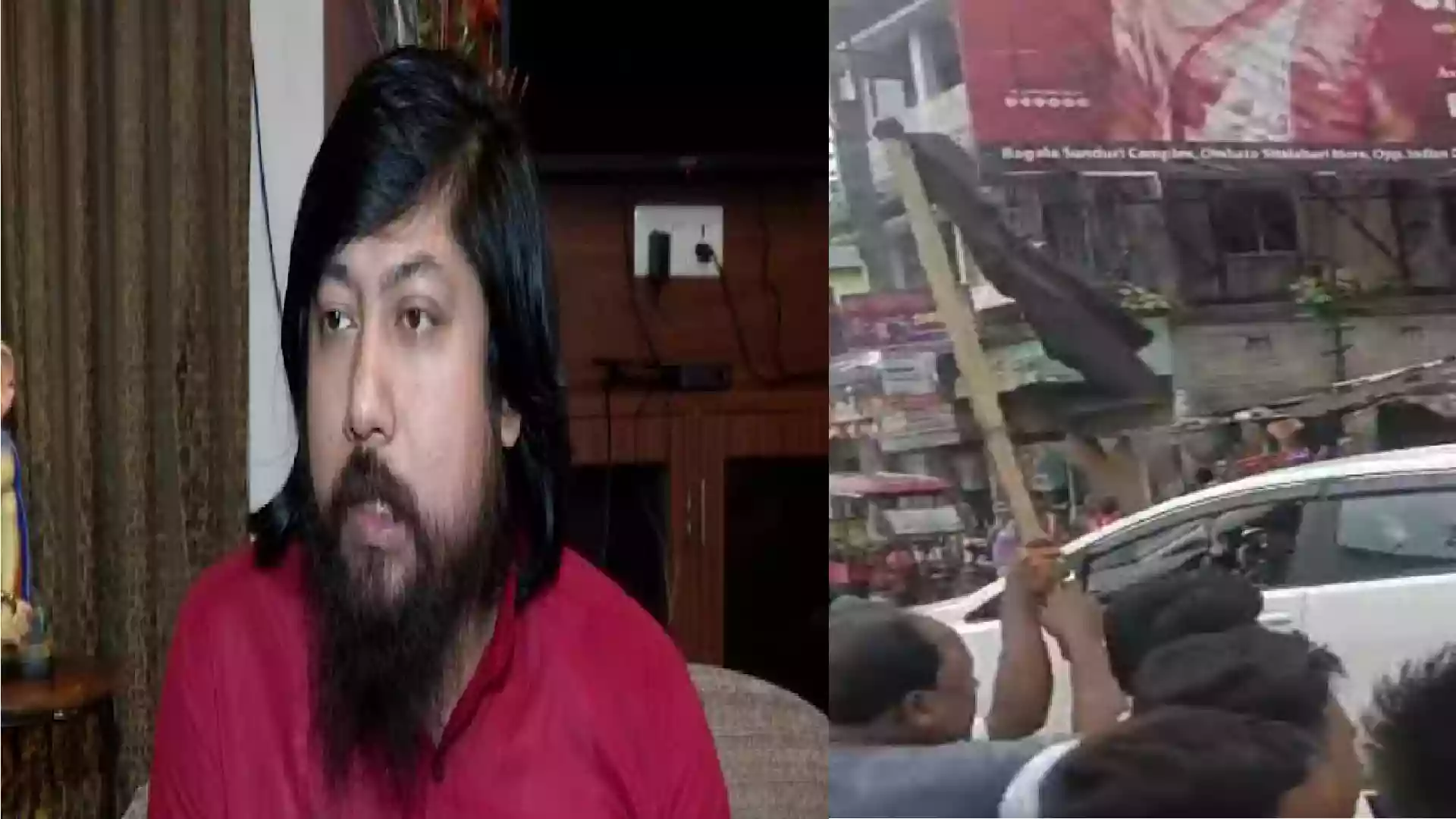
In the lingering glow of Durga Puja's communal harmony, where garlands and goodwill should linger, Coochbehar's Bhetaguri neighborhood in Dinhata erupted into a flashpoint of partisan rage today, as former Union MOS Home & Lok Sabha MP Nisith Pramanik found his convoy besieged by alleged Trinamool Congress (TMC) supporters just 100 meters from his residence, black flags waving and "Go Back" chants thundering like war drums in a bid to thwart his visit to BJP workers reeling from a three-day-old attack. The fiery BJP leader, who lost his seat in the 2024 polls but remains a thorn in TMC's side with his unyielding rhetoric, was en route to offer solace and financial aid to party faithful whose homes were vandalized during the festival—allegedly by TMC-backed thugs who smashed doors, beat family members, and sowed terror in the border district's volatile lanes. Forced to pivot after the blockade peaked, Pramanik managed a hurried stop at just one victim's home before beating a retreat, his frustration boiling over into a scathing vow: "This is TMC's true adornment—violence and goondagiri. The people will answer their every blow." As Dinhata police dive into the fray, interviewing witnesses and scanning mobile footage, this midday melee has reignited Coochbehar's simmering feuds, where electoral grudges fester like open wounds, turning a simple show of solidarity into a stark symbol of Bengal's fractured political soul. For a district long synonymous with border tensions and BJP-TMC brinkmanship, Pramanik's thwarted journey isn't mere disruption—it's a microcosm of muscle over mandate, where post-Puja calm crumbles under the weight of unchecked vendettas.
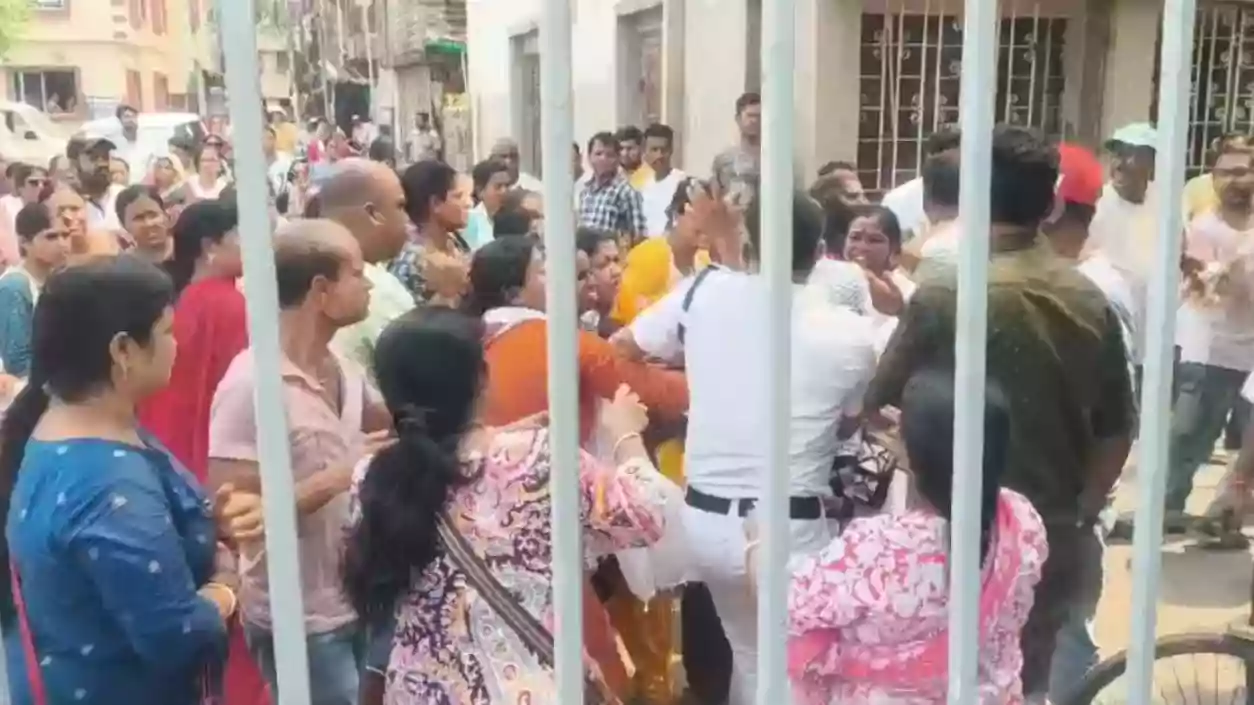
The spark traces back to Puja's vibrant chaos three days prior, when Coochbehar's Bhetaguri's BJP strongholds became battlegrounds in the shadows of pandals and processions. Local party workers, many from Rajbanshi families eking out lives amid tea gardens and border outposts, reported a midnight raid: Masked assailants, branded as TMC muscle by survivors, torched fences, shattered windows with iron rods, and roughed up elders and children in a spasm of intimidation that echoed the district's history of poll-time pogroms. News of the assaults reached Pramanik by today morning. Driven by loyalty to his "foot soldiers," he set out at noon from his fortified home—a modest two-story affair ringed by loyalists—his SUV leading a modest convoy of three vehicles, intent on dispensing Rs 10,000 each in relief and rallying spirits against the "ruling syndicate's stranglehold."The confrontation ignited mere blocks away, a textbook ambush in Bhetaguri's dusty bylanes where tea stalls double as gossip hubs and every corner hides a partisan eye. As Pramanik's lead car rounded the bend, a throng of 50-odd protesters materialized—young men in TMC scarves, women with infants on hips, all brandishing black flags like semaphore signals of scorn—encircling the vehicles in a human barricade that halted traffic and drew curious stares from passing cycles. Slogans rent the air: "Nisith Go Back! BJP Out!"—a cacophony laced with accusations of Pramanik's "Delhi betrayals" and unfulfilled promises on border security.
His security detail, a handful of CRPF jawans post his ministerial stint, formed a hasty perimeter, but the press was unrelenting; stones skipped off hoods, though none connected squarely, and the air thickened with taunts about his pending criminal cases, from rioting to Arms Act violations. "It was a gherao straight out of TMC's playbook—choreographed chaos to cow us," Pramanik later fumed to reporters from his driveway, his kurta untucked and face flushed. Undeterred, he pressed on foot to the nearest victim's home, a crumbling veranda affair, where he pressed cash into trembling hands amid tearful thanks, before the din forced a U-turn—his mission half-done, resolve doubled. His words, laced with the district's linguistic flair, ignited cheers and a spontaneous march to Dinhata police station, where FIRs flew for rioting and unlawful assembly. TMC's local brass, caught off-guard, maintained radio silence—no denial, no defense—perhaps wary of escalating a feud where Pramanik's name still sways 40% of voters, per recent whispers. As time passes by, the MLA's office buzzed with damage control, aides shuttling between aggrieved homes to douse flames before they lick higher echelons.No arrests yet, but patrols thickened along Bhetaguri's fringes, where BJP flags flap defiantly from rooftops and TMC posters peel in the humidity. Pramanik's reemergence, after months of Delhi-focused murmurs on home affairs, marks a tactical pivot: Pramanik, ensconced in his study with strategy maps, plotted "people's answers"—door-to-door drives, perhaps a gherao of his own on TMC offices. Victims nursed wounds with his aid, vowing unyielding allegiance, while protesters dispersed to evening addas, their black flags furled but fury banked. For Bengal's northern frontier, where politics pulses like the Jaldhaka's flow, this blockade is no outlier—it's the overture to orchestrated unrest, where ex-MPs become eternal adversaries. Till polls purge the poison, Bhetaguri's lanes will whisper of thwarted journeys and unbreakable spirits, a testament to Coochbehar's unyielding dance between discord and defiance.

.webp)


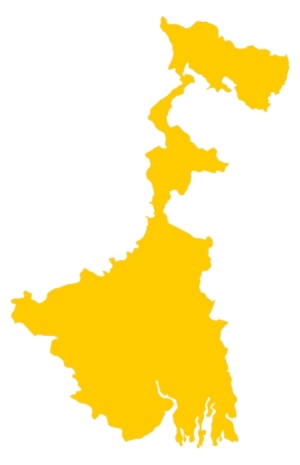 West Bengal
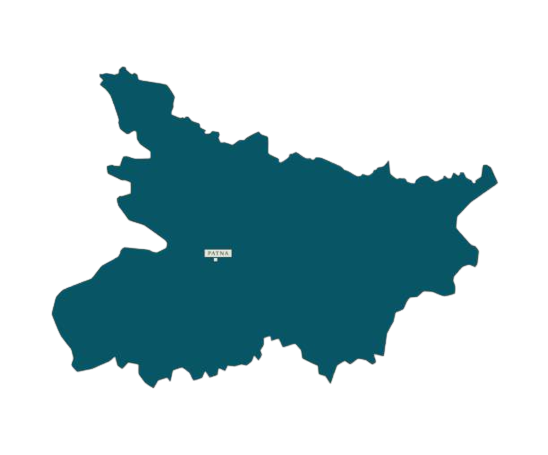 Bihar
Bihar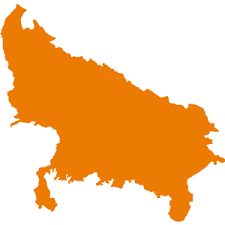 Uttar Pradesh
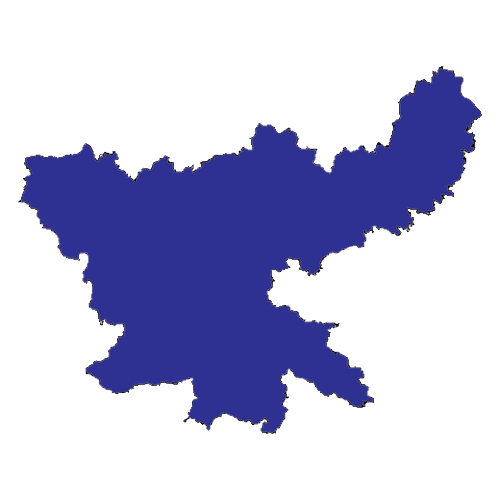 Jharkhand