
Police removes Rahul, Priyanka, other Congress leaders from dharna site near PM Modi's residence
.gif)

Download Mobile App 







In the misty embrace of Darjeeling's hills, where the scars of a catastrophic October 4 deluge still weep from cracked earth and crumpled bridges, West Bengal Chief Minister Mamata Banerjee descended upon the makeshift relief camp at Dudhiya in Mirik today, as she knelt to clasp hands and wipe tears from over 200 flood-displaced families huddled in the shadow of the ruined Dudhia iron bridge—promising not just aid but action, with immediate orders to mobilize repair crews for the shattered Hill Cart Road and Rohini routes, while distributing essentials from rice sacks to raincoats in a display of maternal resolve that blended grief with grit amid a disaster claiming atleast 28 lives and stranding thousands in North Bengal's isolated pockets. CM Mamata Banerjee, fresh from aerial surveys of the Teesta's tantrum-swollen fury, spent over two hours in the camp's cramped confines, listening to tales of homes swallowed by landslides and livelihoods lost to the Jaldhaka's rage.
This visit isn't mere optics—it's the pulse of a leader tethering state machinery to shattered souls, underscoring Bengal's battle against a flood that has severed roads, submerged villages, and silenced the laughter in tea garden hamlets.The camp at Dudhiya, a patchwork of tarpaulin and temporary hearths erected overnight by district officials, buzzed with a fragile hope as CM Mamata Banerjee's convoy rolled in around noon, locals craning necks from under dripping eaves for a glimpse of the "Didi" who has long embodied their unyielding anchor. She began with the elderly, a septuagenarian widow from nearby Lebong whose mud-brick home vanished in a midnight slide, her frail hands trembling as she recounted the "earth's angry roar" that claimed her son's tools and dreams.
Younger survivors, like a tea plucker's family of five displaced from the Pankhabari foothills, shared photos of their inundated plot on cracked phones, prompting the CM to dial the public works minister on speaker: "Get the JCBs rolling by dawn; no excuses, these roads are our veins. North Bengal's nightmare, sparked by over 400mm of rain in 24 hours funneling from Bhutanese highlands, has painted a portrait of peril: the Dudhia bridge, a colonial-era sentinel over the Rangeet, now a twisted relic blocking Mirik's lifeline to the plains; Rohini Road's fresh slide burying stretches under boulder-strewn silt; and Hill Cart's vital artery from Kurseong to Sukna pockmarked with craters, isolating blocks like Bijanbari and Gorubathan where over 5,000 souls await evacuation. Banerjee's aerial jaunt earlier that morning, chopper blades whipping mist from the Teesta's 118-meter crest—triple its norm—revealed the scale: 370mm in Jalpaiguri's Kurti alone, landslides claiming 20 in the hills, drownings adding eight more in the plains, with Gorumara's rhinos and Jaldapara's elephants among the wild toll.
Banerjee's directives sparked a flurry, with NHAI engineers trucking Bailey bridges to Dudhia by evening, army units from Siliguri bridging gaps on Pankhabari's precipices, and irrigation crews pumping out Porajhar's flooded fields in Cooch Behar. As time passes by, CM Mamata Banerjee departs Dudhiya with promises etched in the ether—full road restoration by week's end, psychological counseling vans for the traumatized, and a personal follow-up in a fortnight—her chopper lifting off amid cheers that cut the camp's quiet despair. In Mirik's resilient ribs, this encounter lingers as a lighthouse in the landslide's long shadow: a reminder that in Bengal's battered north, recovery isn't routed through reports but routed through rapport. For the displaced, it's fuel for fortitude; for the state, a script for solidarity. As October's resilient rays filter through, the hills whisper of rebirth—roads mending, hearts healing, and a chief minister who came not as commander, but as kin.





.webp)

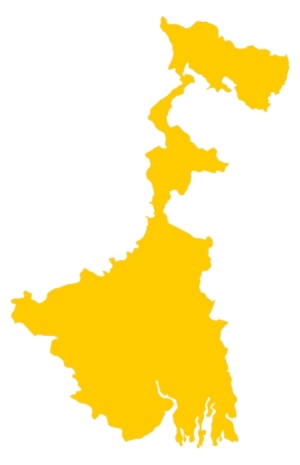 West Bengal
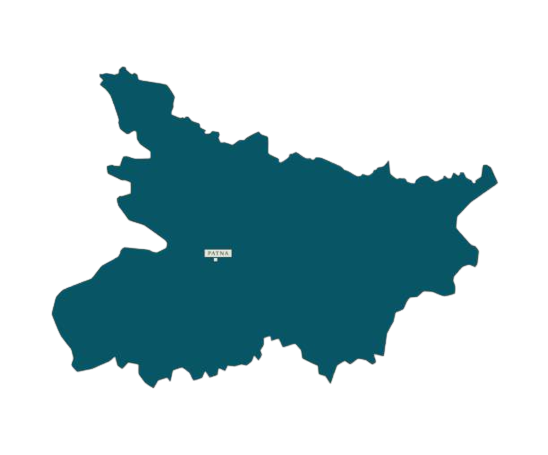 Bihar
Bihar Uttar Pradesh
 Jharkhand