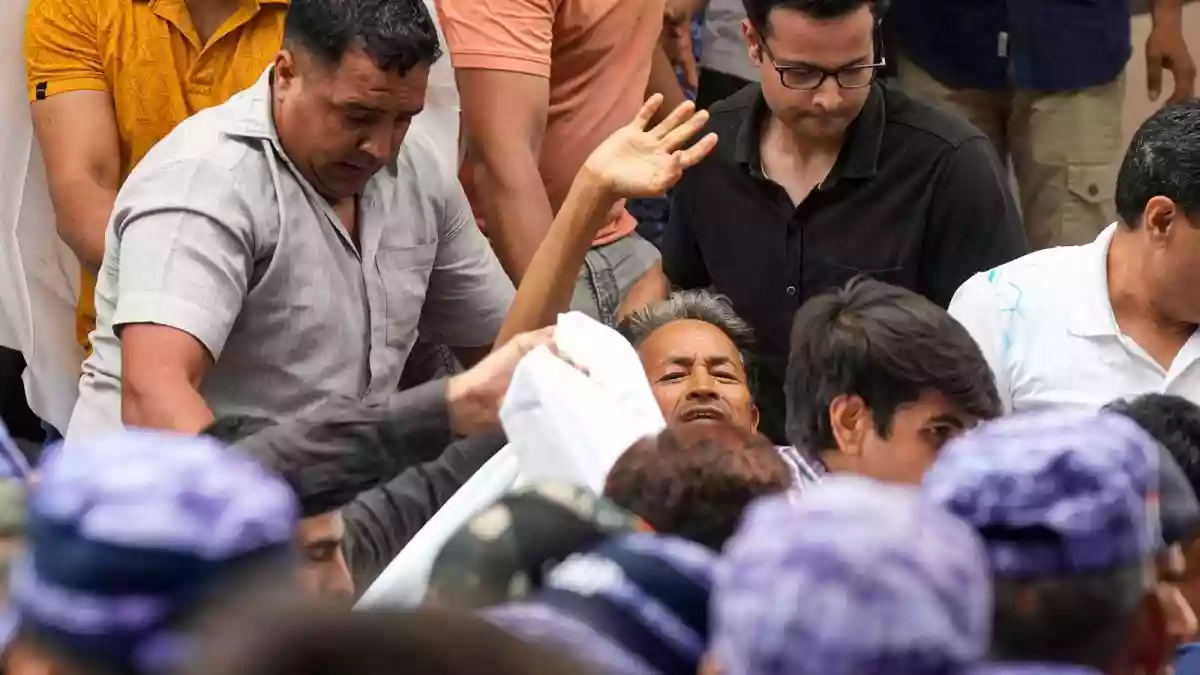
Sonam Wangchuk vows to continue hunger strike as CJP reclaims Jantar Mantar stage
.gif)

Download Mobile App 






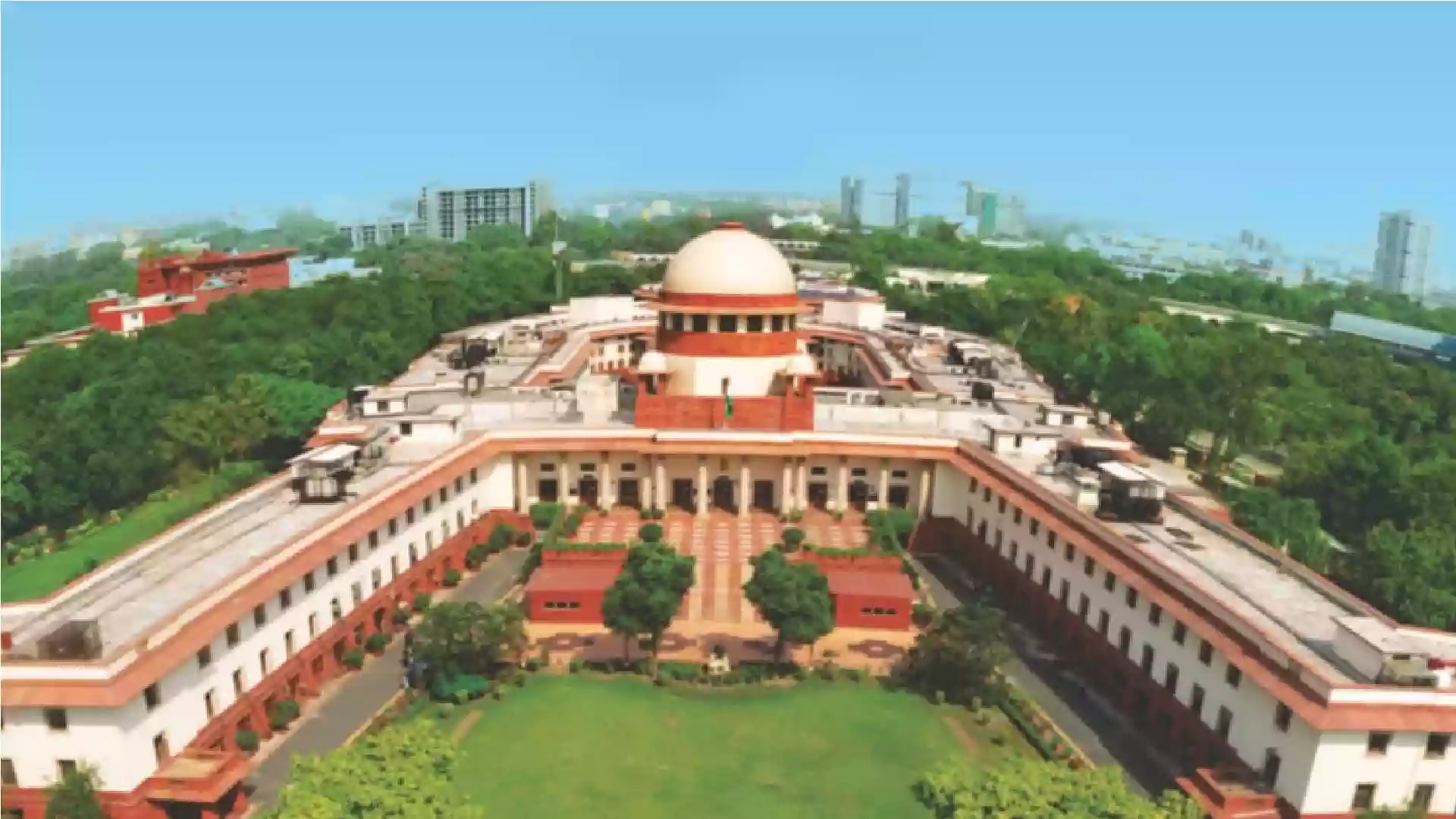
In the high-stakes theater of Bihar's impending November 2025 assembly showdown, where every erased name could echo like a thunderclap across caste-ridden constituencies, the Supreme Court of India delivered a decisive directive today, compelling the Election Commission of India (ECI) to furnish comprehensive details by Thursday, October 9 on the 3.66 lakh voters mysteriously omitted from the final electoral roll following the contentious Special Intensive Revision (SIR)—a judicial prod that pierces the veil of bureaucratic opacity, spotlighting a net voter swell of 17.87 lakh after 21.53 lakh additions, yet raising red flags over the silent subtraction of lives from the ledger in a state where migration myths and minority murmurs fuel fears of foul play. This order, from the bench of Justices Surya Kant and Joymalya Bagchi amid petitions from the Association for Democratic Reforms and opposition stalwarts, builds on months of interim interventions—from mandating Aadhaar's inclusion as proof to roping in political parties' booth agents as reintegration guides—transforming the SIR from a supposed "deep clean" into a scrutinized sieve that has already reinstated thousands while leaving 3.66 lakh in limbo, their absences chalked up to unfiled appeals despite ECI claims of zero complaints.
The SIR, unveiled with ECI fanfare on June 26 as a house-to-house holy war against "fake" entries, morphed into a maelstrom of mishaps by August's draft drop—65 lakh names axed from the January 2025 rolls of 7.89 crore, disproportionately dooming women (over 30 lakh) and migrants whose Delhi dreams or Gulf gigs left them "untraceable" back in Bihar's boondocks. Petitions flew thick and fast: RJD's Manoj Jha brandishing "dead men walking" with valid IDs, ADR's Trilochan Sastry decrying demographic dodges in Seemanchal's Muslim-majority nooks, and seniors like Kapil Sibal slamming the onus-flip as "citizenship roulette" under Articles 14, 19, and 21. The ECI, armored by Rakesh Dwivedi's data dumps—22 lakh deceased, 36 lakh migrants, eight lakh duplicates—defended the deletions as dutiful diligence, yet conceded the court's August 14 edict: publish booth-wise lists online, emblazon reasons from "relocated" to "redundant," and extend appeals with Aadhaar as the 12th proof, a digital deluge uploaded within 56 hours that let the aggrieved google their ghosts.Today's hearing crackled with culmination's charge: Prashant Bhushan, for the petitioners, hammered the final roll's phantom flux—21.53 lakh newcomers (mostly 18-year-old debutants) against 3.66 lakh exclusions post-draft, a "compounded chaos" where no appeals surfaced per ECI logs, yet whispers of weary waifs too daunted by deadlines abound.
The bench, eyes narrowing on the numbers' narrative, a nudge that netted the ECI's nod for Thursday, October 9 delivery, soft copies to the court with EPIC echoes, relative ties, and rationale runes, while posting the case anew on October 14 for deeper dives. Solicitor General Tushar Mehta, in absentia but echoed by Dwivedi, touted the exercise's equity—final rolls at 7.42 crore, a 7% trim from pre-SIR bloat—but the justices' jot underscored judicial jujitsu: presume probity, but probe perfidy, lest the SIR's scalpel slice too deep into democracy's flesh. For Bihar's ballot-bereft brigade—the Sunita Devis of rural Patna or Yadav yesteryears in Muzaffarpur—this directive dawns as deliverance's door ajar: families fumbling over faded forms now armed with Aadhaar scans and party proxies, booth-level lifelines from saffron JD(U) scouts to red RJD rangers, turning deletions into detective tales. Tejashwi Yadav's war room whoops of "ECI exposed," Nitish Kumar's NDA nodding neutrality, AIMIM's Akhtarul Iman amplifying "minority muting"—the political peanut gallery pulses with partisan parses, yet groundswell stirs in Siwan's salons and Gopalganj's gullies, where migrants' moms marshal mobiles for missing kin.
ECI's Gyanesh Kumar, in post-hearing huddles, hails the harmony: 84,305 claims cracked, 2.5 lakh youth queuing anew, a testament to SIR's "success" sans the sinister spin—but activists like Vrinda Grover gripe of glitches galore, BLO backdating and rural reticence rendering reinstatements a rigged relay.The October 9 deadline dances on a knife's edge: will the ECI's exposé exculpate the exercise, unveiling verifiable voids of the vanished, or unearth errors that erode its edifice? The bench's blueprint—searchable spreadsheets sans the shroud—mirrors August's mandates, a mosaic of manual postings at panchayat pinboards and digital dashboards at voters.eci.gov.in, ensuring even the illiterate inherit inclusion via vernacular voices. Broader brushstrokes brush Bihar's ballot blues: floods fraying fringes in the north, where deluges double deletions for the displaced; caste cartels eyeing the 3.66 lakh as swing shards in 121 seats polling November 6. As the court calendars October 14 for the clincher, the conundrum crystallizes: SIR's sanctity or scrap? In a state scripting India's heartland heartbeat, this 3.66 lakh ledger could ledger the legacy—purity's price too steep if paid in people's polls.As October's electoral autumn accelerates toward November's crescendo, the Supreme Court's summons slices through the SIR's smoke: in Bihar's bifurcated bazaar, where Nitish teeters and Tejashwi tempts, voter voices can't vaporize in vagueness. For the 3.66 lakh in the ether—farmers forgotten, women wisped away—this order oracles opportunity: details disclosed, disputes dispatched, democracy's drumbeat restored. Yet, the epilogue eludes: if exclusions expose excess, will the ECI's encore embrace enduring equity, or etch another electoral enigma? In Patna's pulsing precincts, where proofs parade as power, today's thrust thunders a truth: the roll's rigor mustn't roll over rights, lest Bihar's ballot become a bygone ballad of the ballot-less.



.webp)

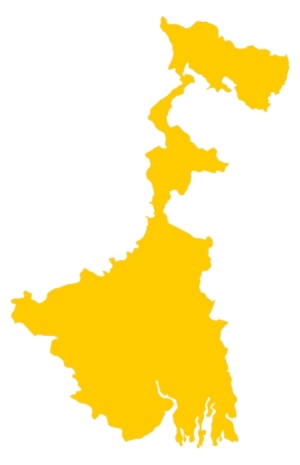 West Bengal
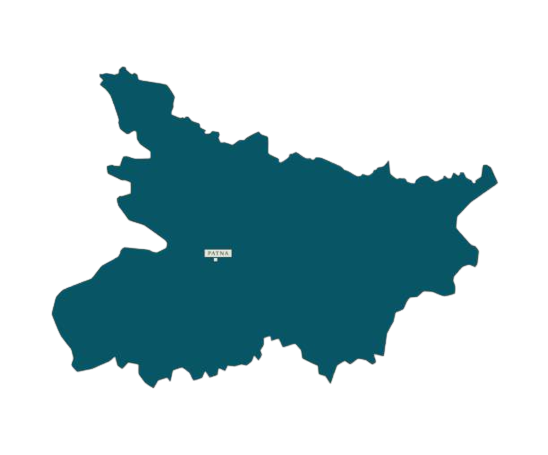 Bihar
Bihar Uttar Pradesh
 Jharkhand