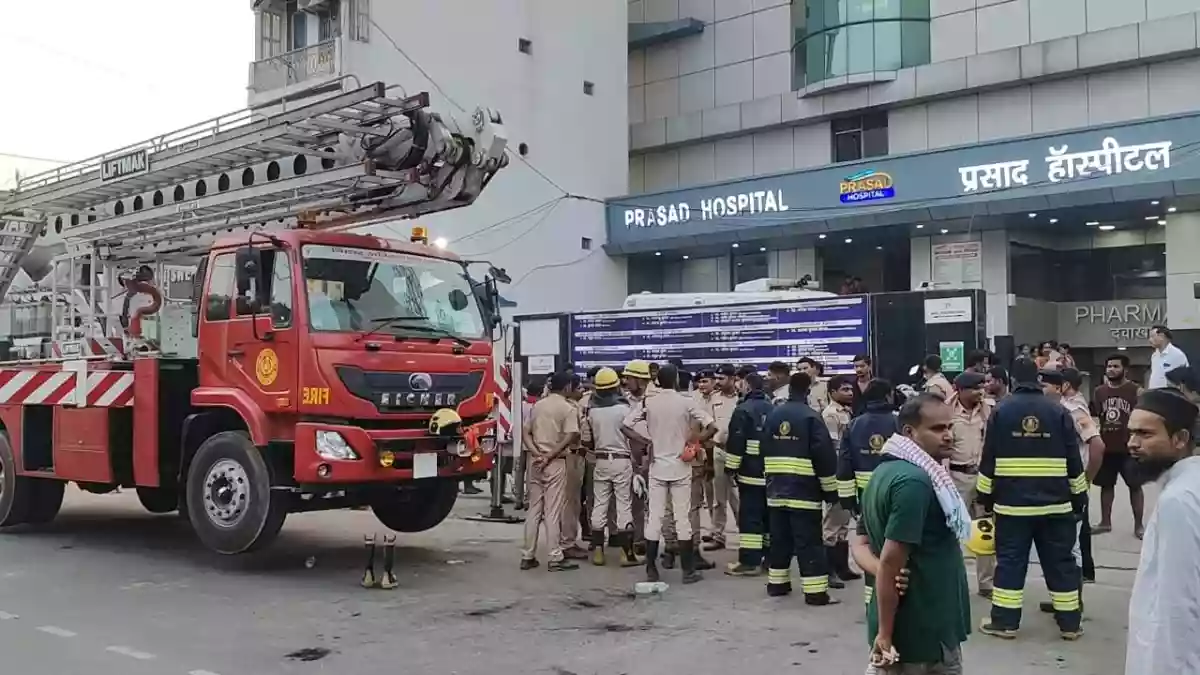
Muzaffarpur hospital blaze kills 3 patients, leaves 20 injured
.gif)

Download Mobile App 






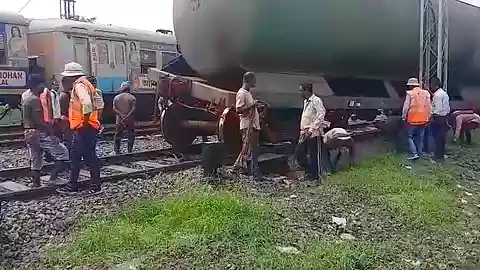
Commuters on the vital Budge Budge-Sealdah railway section were plunged into chaos and massive delays after an oil tanker derailed near Budge Budge during the peak morning rush hour. The incident immediately brought traffic on the line to a standstill, leaving thousands of daily passengers stranded and facing delays exceeding one hour. The unexpected blockage on the line has caused significant distress and concern among travelers rushing to their workplaces and destinations.
The disruption occurred when the sixth bogey of an oil tanker train jumped the tracks. This seemingly isolated incident instantly blocked the entire line, leading to a cascading failure in the time-sensitive local train schedule. As a result, the railway line became virtually impassable for a prolonged period, causing major congestion and signaling issues for all subsequent trains.
In response to the severe bottleneck, railway authorities were forced to partially divert and terminate several local trains heading towards Budge Budge. Multiple services were short-terminated at intermediate stations such as Akra, Nungi, and Santoshpur, from where they were sent back to Sealdah. This partial operational measure aimed to clear the backlog from the busy Sealdah end but left commuters heading to Budge Budge and beyond with limited or no train access.
Railway maintenance and rescue teams, including high-ranking officials and an emergency recovery crew equipped with a heavy-duty crane, rushed to the site immediately after receiving the report. Their priority was the swift cutting and removal of the derailed oil tanker bogey to clear the tracks and restore normal movement. The rest of the oil tanker train was detached and allowed to proceed to its destination.
Despite continuous and rapid clearance efforts, the line remained significantly blocked for more than an hour after the initial derailment, causing massive inconvenience to the office-goers and daily commuters. Many passengers, frustrated by the extensive wait and uncertainty, were seen abandoning the railway stations to seek alternative, often more expensive and time-consuming, road transport options.



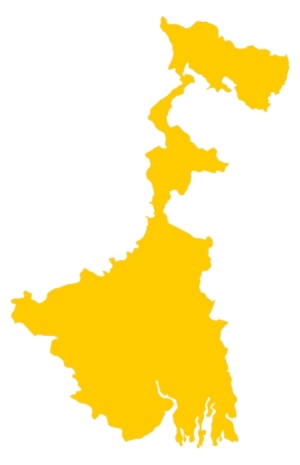 West Bengal
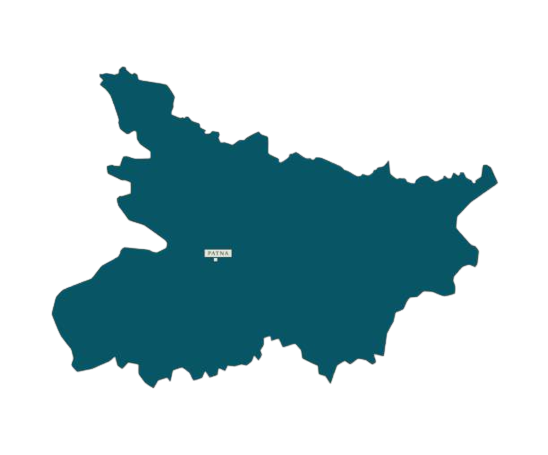 Bihar
Bihar Uttar Pradesh
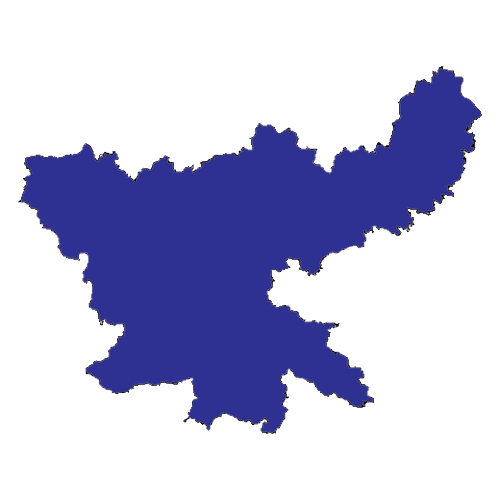 Jharkhand