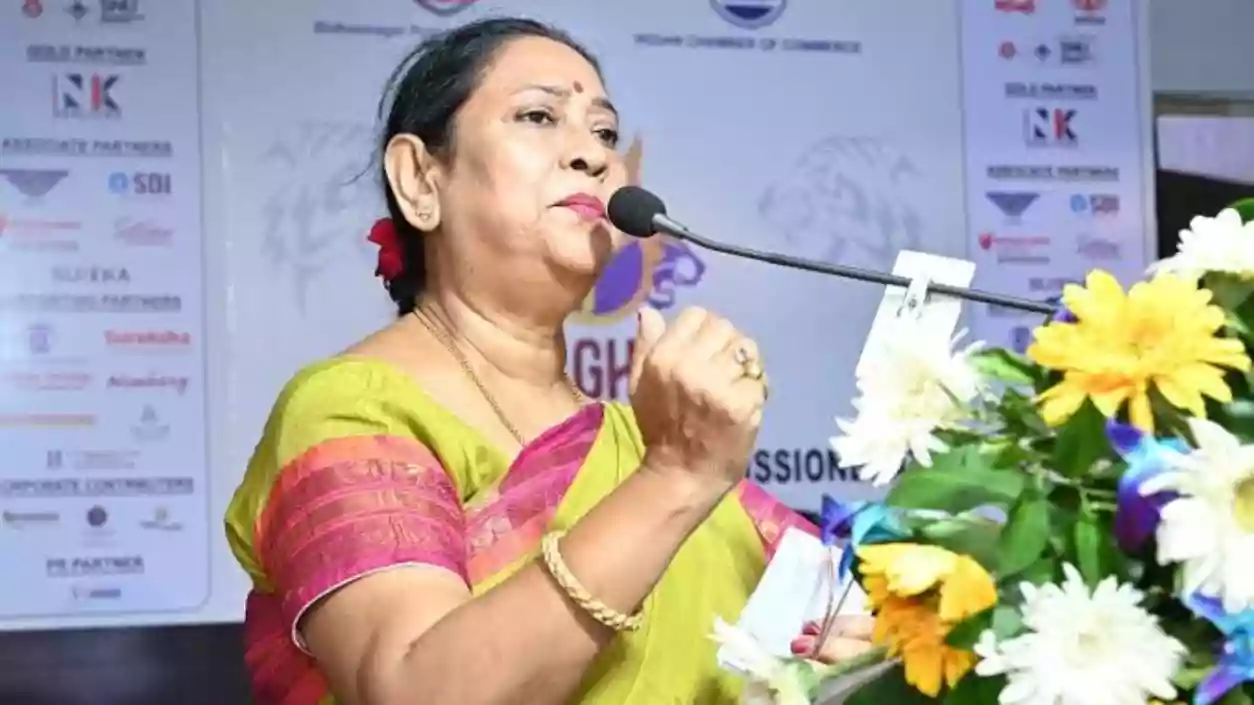
Bidhannagar Mayor Krishna Chakraborty resigns, another massive blow to TMC
.gif)

Download Mobile App 







In a shocking escalation of a heartbreaking public health crisis, S. Ranganathan, the 73-year-old owner of Chennai-based Sresan Pharmaceuticals, was arrested today midnight by a joint team of Madhya Pradesh and Tamil Nadu police. The arrest comes amid allegations that his company's Coldrif cough syrup, laced with dangerously high levels of the toxic industrial solvent diethylene glycol (DEG), has claimed the lives of at least 20 children across Madhya Pradesh's Chhindwara, Betul, and Pandhurna districts. What began as a routine winter remedy for coughs and colds turned into a nightmare for families, with lab tests revealing up to 48% DEG contamination—far exceeding the permissible 0.1% limit—leading to acute kidney failure and swift, agonizing deaths. Ranganathan, a Madras Medical College graduate with over four decades in the pharma trade, now faces charges of culpable homicide as authorities vow to unravel the chain of negligence that allowed this "poison in a bottle" to reach vulnerable kids.
The tragedy unfolded over recent weeks in rural Madhya Pradesh, where parents, desperate to ease their little ones' sniffles amid monsoon aftermath, turned to the affordable generic syrup sold at local chemists. Reports first trickled in from Chhindwara, where 17 children under six succumbed within days of consumption, their tiny bodies overwhelmed by organ failure. Health officials scrambled as symptoms—vomiting, lethargy, and convulsions—mirrored past scandals like the 2023 Gambia syrup deaths. By mid-week, the toll climbed to 20 confirmed fatalities, with five more children fighting for life in intensive care. "These were our future doctors, teachers—gone because of greed," wept one grieving mother from Parasia village, her voice cracking over the phone to reporters. The state's swift response included sealing over 50 pharmacies and launching door-to-door awareness drives, but the damage is irreparable, igniting fury over lax oversight in India's sprawling generic drug market.Ranganathan's arrest in a quiet Chennai suburb marks a pivotal breakthrough after days of a high-stakes manhunt.
Madhya Pradesh Police had slapped a Rs 20,000 reward on his head, deploying teams to Tamil Nadu as leads pointed to his Kancheepuram factory. The unassuming 2,000-square-foot facility, a relic from his early ventures, was raided earlier this week, exposing a horror show of regulatory roulette: rusty, leaking mixers untouched for 14 years; unlabeled barrels of DEG masquerading as safe excipients; and over 350 violations, from missing GMP certification to misbranded labels omitting warnings against use in kids under four. Inspectors from Tamil Nadu's Drugs Control Authority described a "ticking time bomb," with production logs fudged and quality checks nonexistent. S. Ranganathan, who once helmed a now-defunct pharma firm before reviving Sresan in 2011, reportedly shrugged off queries, claiming "market pressures" forced corners to be cut.As Ranganathan awaits transit remand to Chhindwara for interrogation, the fallout ripples through India's pharmaceutical underbelly. The Madhya Pradesh government, under fire from opposition Congress demanding Rs 1 crore compensation per family, has suspended two drug inspectors, a deputy FDA director, and transferred the state drug controller.
Chief Minister Mohan Yadav convened an emergency high-level meet, ordering statewide probes into similar formulations and banning all Sresan products. Neighboring Rajasthan reports suspected links to additional child illnesses, prompting a nationwide alert from the Union Health Ministry. Experts decry this as a symptom of deeper woes: underfunded inspections, a flood of unverified generics, and a Rs 50,000-crore industry where small players like Sresan dodge scrutiny. "One drop of DEG can kill; here, it was a flood," noted a senior toxicologist, underscoring how industrial shortcuts for cheap propylene glycol substitutes turned medicine into menace. Families in the affected districts are left shattered, their homes draped in white mourning cloths as community vigils demand justice. In Betul, a cluster of toy-strewn graves bears silent testimony to the syrup's betrayal, while Chhindwara's chemists strike in protest over sealed shops. Pediatricians, horrified, reiterate age-old pleas: no over-the-counter cough meds for tots under two, per global guidelines. Yet, in India's vast hinterlands, where access to doctors is a luxury, such tragedies persist. S. Ranganathan's empire—tied to affiliates like Ceego Labs and Iven Healthcare—now teeters, with frozen stocks and halted production. As he faces court, whispers of deeper complicity swirl. For Ranganathan, the noose tightens with forensic audits of his May 2025 batch (expiry April 2027) revealing charred labels and illicit additives. As dawn breaks over Chennai's courts, one thing is clear: the blood of these 20 little ones demands not just an arrest, but an overhaul to safeguard tomorrow's children from yesterday's poisons.





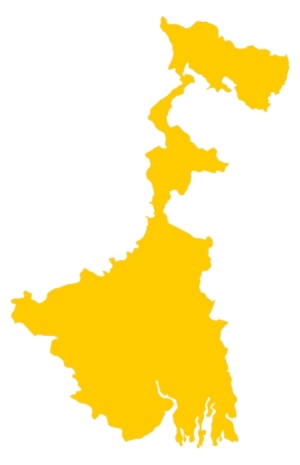 West Bengal
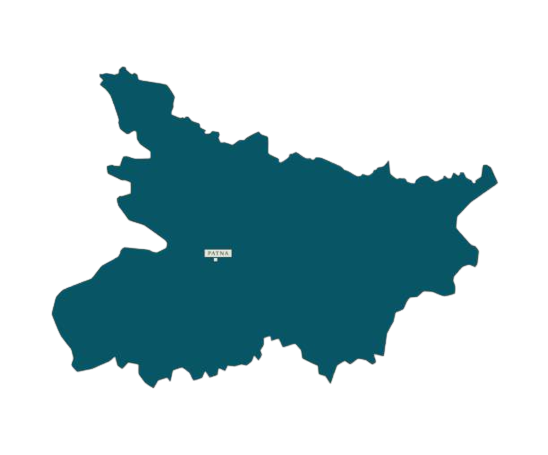 Bihar
Bihar Uttar Pradesh
 Jharkhand