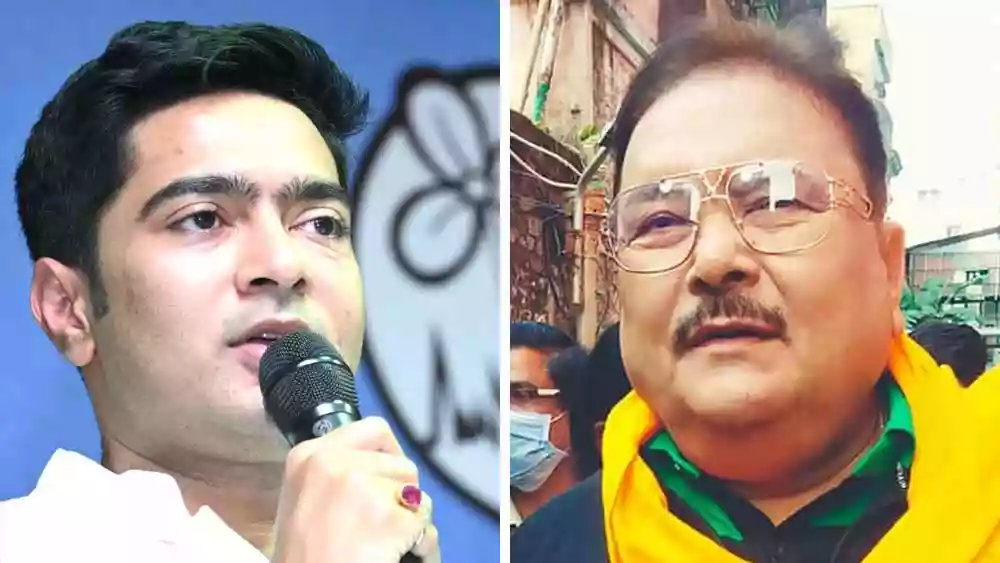
Abhishek slaps 10-crore defamation notice on Madan Mitra over 'murderer' jibe
.gif)

Download Mobile App 






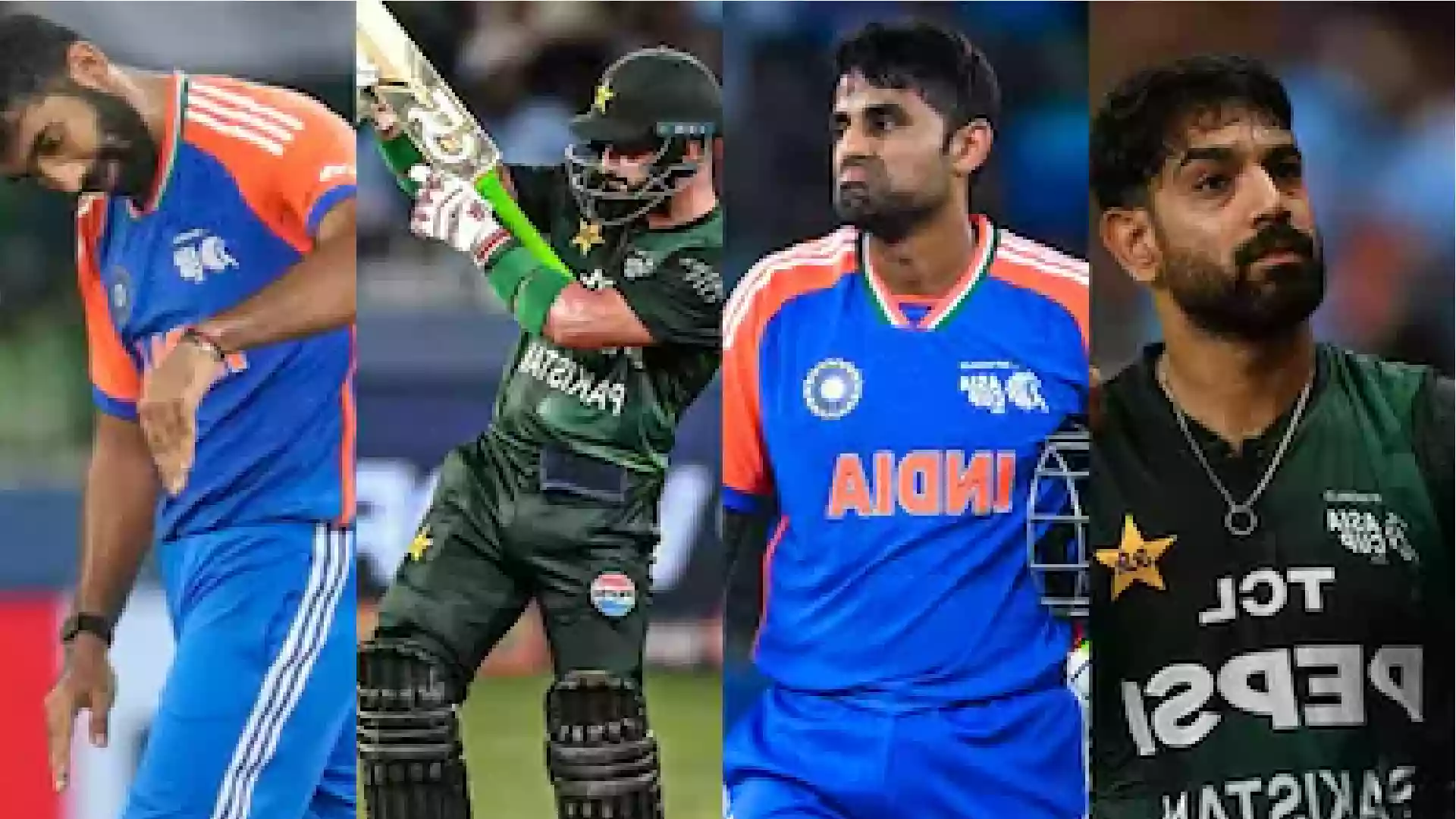
In the powder-keg cauldron of the Asia Cup 2025, where Indo-Pak cricket's storied rivalry crackled with off-field fireworks as much as on-pitch brilliance, a series of heated exchanges across three blistering encounters culminated in stern sanctions that underscore how geopolitics can scorch the spirit of the game. Pakistan's pacer Haris Rauf drew the heaviest blow—a two-match international ban after racking up four demerit points for two breaches of ICC Code of Conduct Article 2.21, which guards against bringing cricket into disrepute—stemming from incidents in the Super Fours clash on September 21 and the electrifying final on September 28 in Dubai, where India edged Pakistan in a nail-biting last-over thriller.
Pakistan opener Sahibzada Farhan was also fined 30% of his match fee and given one demerit point after celebrating his half-century with a controversial AK-47 gesture. India's Suryakumar Yadav copped two demerit points for his pointed post-match remarks after the September 14 opener, hinting that "a few things" loomed "bigger than sportsman's spirit" amid the handshake refusals, while spearhead Jasprit Bumrah earned one demerit point for a provocative gesture during the final's tension-soaked finale. These penalties, handed down by match referee Andy Pycroft following formal hearings, arrived five weeks post-tournament, capping a saga laced with political barbs, a near-Pakistan pullout, and a trophy standoff that left the silverware unclaimed by the victors.The drama ignited early, with India's players pointedly shunning post-match handshakes in all three games—a snub Pakistan skipper Salman Agha decried as "not in the spirit of the game," fueling accusations that Pycroft had barred the gesture, a claim the ICC vehemently denied.
Tensions peaked when Pakistan threatened to boycott their UAE fixture, delaying it by over an hour until PCB and ICC mediators brokered a fragile truce, allowing the tournament to limp toward its historic first Indo-Pak final. Even victory couldn't quell the storm for India; at the presentation, India's squad rebuffed Asian Cricket Council president and PCB chairman Mohsin Naqvi's overtures to hand over the trophy, opting for a defiant podium celebration sans silverware—a symbolic stand that lingers as the cup remains in limbo.
Rauf's ban, triggered automatically by his demerit tally within 24 months, sidelines him for Pakistan's opening two ODIs against South Africa, a blow to their pace attack just as they regroup from the heartbreak.Beyond the pitch, these sanctions ripple through a rivalry forever intertwined with national pulses, serving as a sobering reminder that cricket's unifying magic can fray under external strains. As the dust settles on Asia Cup 2025's legacy of thrills and thorns, stakeholders from both sides call for cooler heads ahead, lest future clashes trade boundaries for barriers—yet in a format that thrives on such fire, one can't help but wonder if the embers will ever fully cool.






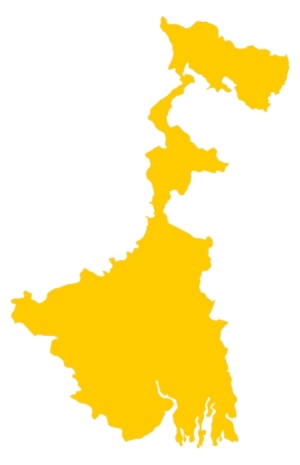 West Bengal
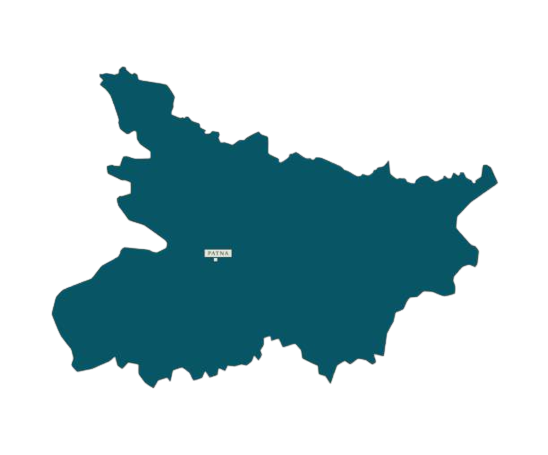 Bihar
Bihar Uttar Pradesh
 Jharkhand