.gif)

Download Mobile App 






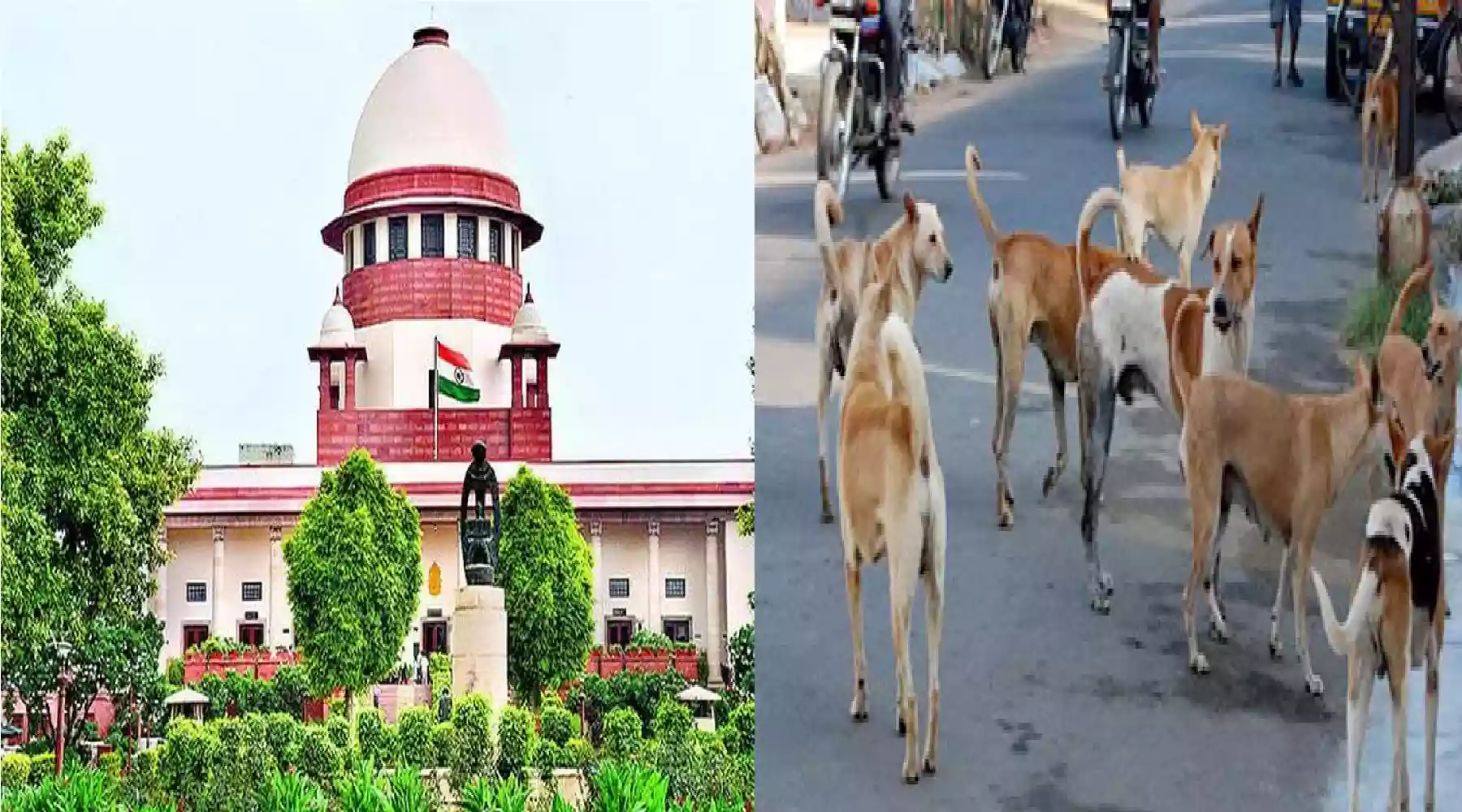
In a landmark ruling that's set to reshape India's urban and rural landscapes alike, the Supreme Court today unleashed a multi-pronged directive to tame the stray animal menace plaguing public life, ordering the immediate removal of stray dogs from schools, hospitals, sports complexes, bus depots, and railway stations—without the controversial re-release back into those very spots that has long fueled debates between animal lovers and safety advocates. This is a balanced blueprint born from a suo motu probe sparked by tragic dog-bite fatalities, including a heartbreaking case of a six-year-old girl's death, and escalating complaints of aggressive packs disrupting daily commutes and classes.
The three-judge bench, led by Justice Vikram Nath alongside Justices Sandeep Mehta and N.V. Anjaria, drew a firm line: captured strays must undergo sterilization and vaccination per the 2023 Animal Birth Control Rules, but release them elsewhere to "frustrate" any risk of recurrence, while mandating eight-week fencing deadlines for all such institutions and appointing nodal officers to keep watch. It's a human-centric pivot from an earlier "too harsh" mass-capture order that drew flak from welfare groups, now laced with accountability—local bodies face three-month inspection mandates and compliance reports, with non-performers already hauled before the court.
The bench didn't stop at canines; in a sweeping extension, it roped in the National Highways Authority of India (NHAI) to corral stray cattle and other beasts off national and state highways, relocating them to dedicated shelters to slash accident rates that claim hundreds of lives yearly on these death-trap stretches. This builds on August's softer stance, which dialed back a Delhi-focused sweep and instead pushed for ward-wise feeding zones to curb chaos from well-meaning but misguided feeders—even chiding government staff for office-side handouts that defy the rules.
With Chief Secretaries from 30-odd non-compliant states summoned (sparing only Telangana and West Bengal), the order underscores a federal wake-up call: eight weeks to fortify fences, three months for audits, and zero tolerance for foot-dragging in a country where strays number in the millions. This directive stirs a potent mix of relief and reckoning—parents exhale at safer school gates, doctors at calmer clinics, and drivers at clearer roads, yet animal rights voices brace for enforcement hiccups in a resource-strapped setup. For India, it's a timely tethering of compassion to caution, reminding us that in the wild tug-of-war between paws and people, the court's compass points firmly toward coexistence without catastrophe—a framework that could finally collar the chaos if states step up to the leash.









 West Bengal
 Bihar
Bihar Uttar Pradesh
 Jharkhand