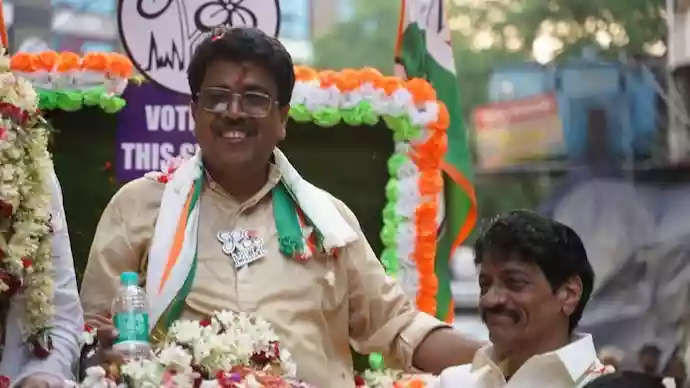
Court sends Councilor Mahesh Sharma to 6-day police custody in extortion case
.gif)

Download Mobile App 






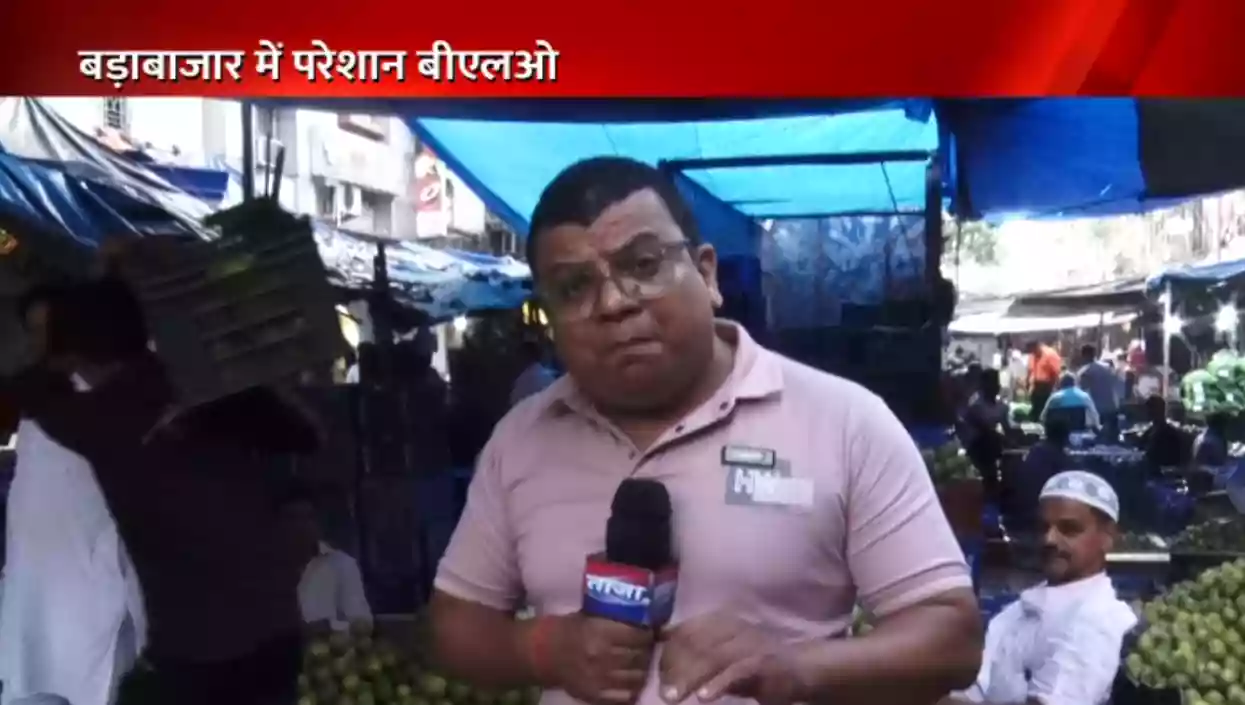
In Kolkata’s Burrabazar, once the bustling heart of Hindi-speaking traders, the voter verification drive under the Special Intensive Revision (SIR) has revealed a worrying trend — thousands of names on paper but no voters in sight. As Block Level Officers (BLOs) went door-to-door through the narrow lanes and crumbling buildings, they found most houses locked and residents long gone. In some buildings, where 30 families are listed, only two or three remain. “We are doing our best to complete the verification, but most homes are empty. People have moved to other parts of the city or out of the state,” said Ajay Giri, BLO of Ward No. 42’s Tula Patti area.
The story is similar across wards 23 and 42, where BLOs have been forced to paste notices on locked doors and return empty-handed. Many of the century-old buildings in Burrabazar are in disrepair, with tenants abandoning unsafe structures and shifting to newer areas. According to locals, disputes between landlords and tenants have left many houses vacant. Ward 42 councillor Mahesh Sharma said the problem runs deep: “The area never developed, and the business community here has been neglected for years. Now their names risk being deleted from the rolls.”
Once a key electoral stronghold with high voter turnout, Burrabazar has now turned into a challenge for the Election Commission. The confusion has sparked political debate, with opposition parties alleging that the voter verification process has created fear and uncertainty. Analysts say this is not just an administrative problem — it reflects the larger issue of urban migration, decaying infrastructure, and outdated voter records in Kolkata’s oldest neighborhoods.

.webp)


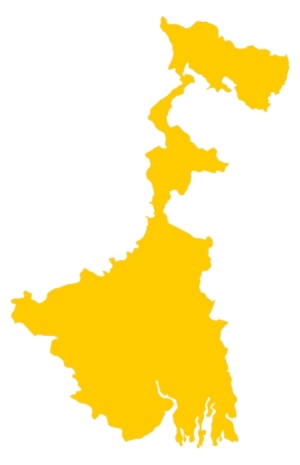 West Bengal
 Bihar
Bihar Uttar Pradesh
 Jharkhand