.gif)

Download Mobile App 






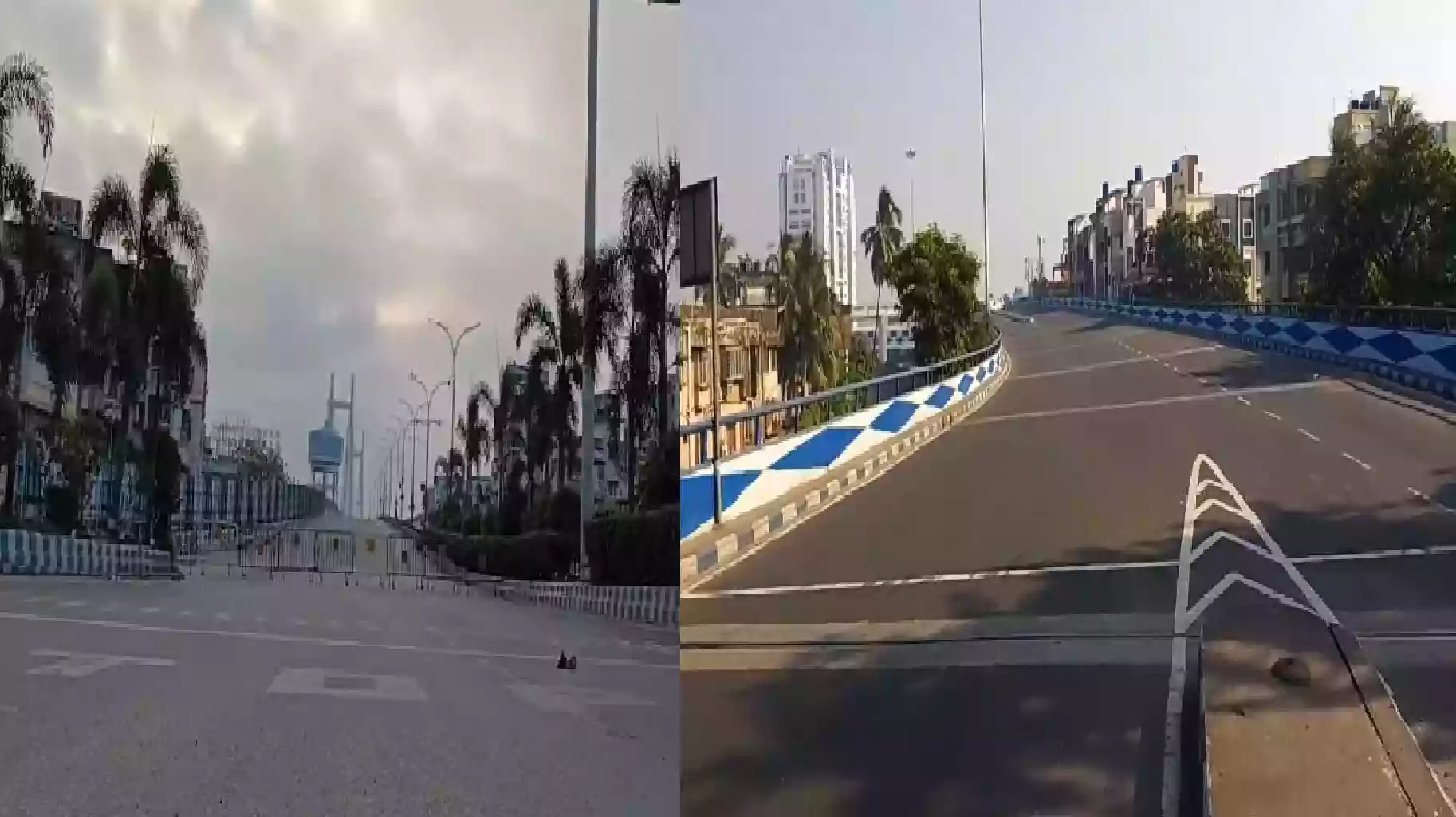
The iconic 2nd Hooghly bridge (Vidyasagar Setu) which spanned savior linking Kolkata to Howrah remains closed for a full day of gritty repairs. From the crack of dawn at 5 AM to night 9 PM, every vehicles will be barred, a joint order from the Kolkata Police and Hooghly River Bridge Commissioner's Office that's got commuters groaning and planners plotting alternate paths. This isn't whimsy; it's a strike against time's toll—targeting repairs and maintenance works to keep the iconic bridge where a daily artery for more than thousands of vehicles ferrying daily commuters, office goers to travellers from crumbling under the weight of endless commutes.
Officials, faces etched with the familiar mix of resolve and regret, emphasize the upside: a sturdier setu means fewer scares down the line, echoing the bridge's storied role since its 1992 debut as a post-Victoria era upgrade that slashed crossing times from ferry-fraught hours to mere minutes. Yet for the crowd—daily 50,000-plus vehicles strong—the shutdown's sting is immediate: expect backups ballooning along the Vidyasagar Setu, toll-free tolls at the Second Hooghly Bridge, and frantic finger-jabs at Google Maps as families scrap park plans and delivery drivers dodge deadlines.
Kolkata Police traffic cell's advisory is a pragmatic plea: hop the metro from Howrah to Esplanade, or brave the Bally Bridge but above all, plan ahead to sidestep the jam.Tommorow morning, the bridge will swing wide again, promises authorities. This serves as a gritty reminder of infrastructure's invisible heroes: the unseen labors that keep our wheels turning. For residents across Kolkata and Howrah, it's a collective deep breath, a chance to rediscover footpaths or ferries forgotten in the fast lane. In the end, this closure isn't chaos for chaos's sake—it's the quiet investment in tomorrows where crossings stay swift and safe, ensuring the Vidyasagar Setu's span endures as more than metal, but as the unyielding thread weaving two cities into one unbreakable whole.


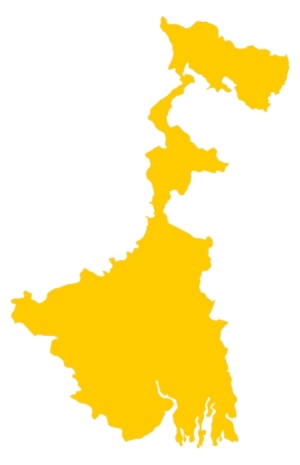 West Bengal
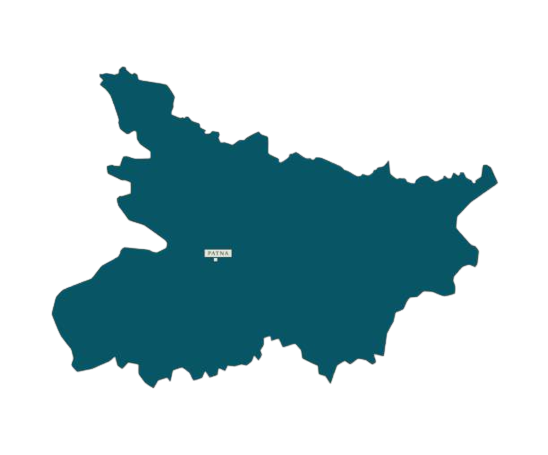 Bihar
Bihar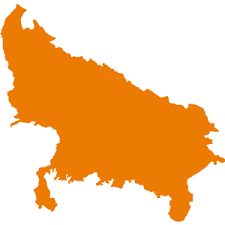 Uttar Pradesh
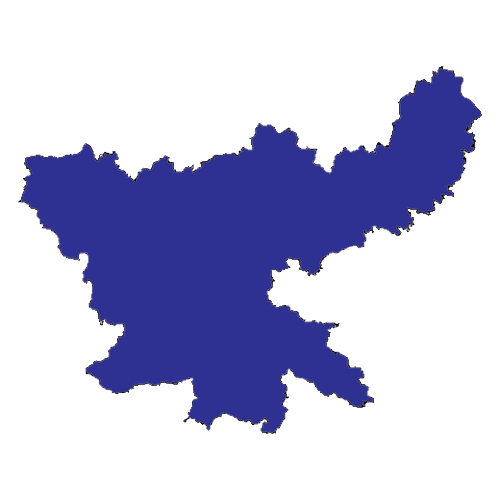 Jharkhand