
Abhishek slaps 10-crore defamation notice on Madan Mitra over 'murderer' jibe
.gif)

Download Mobile App 






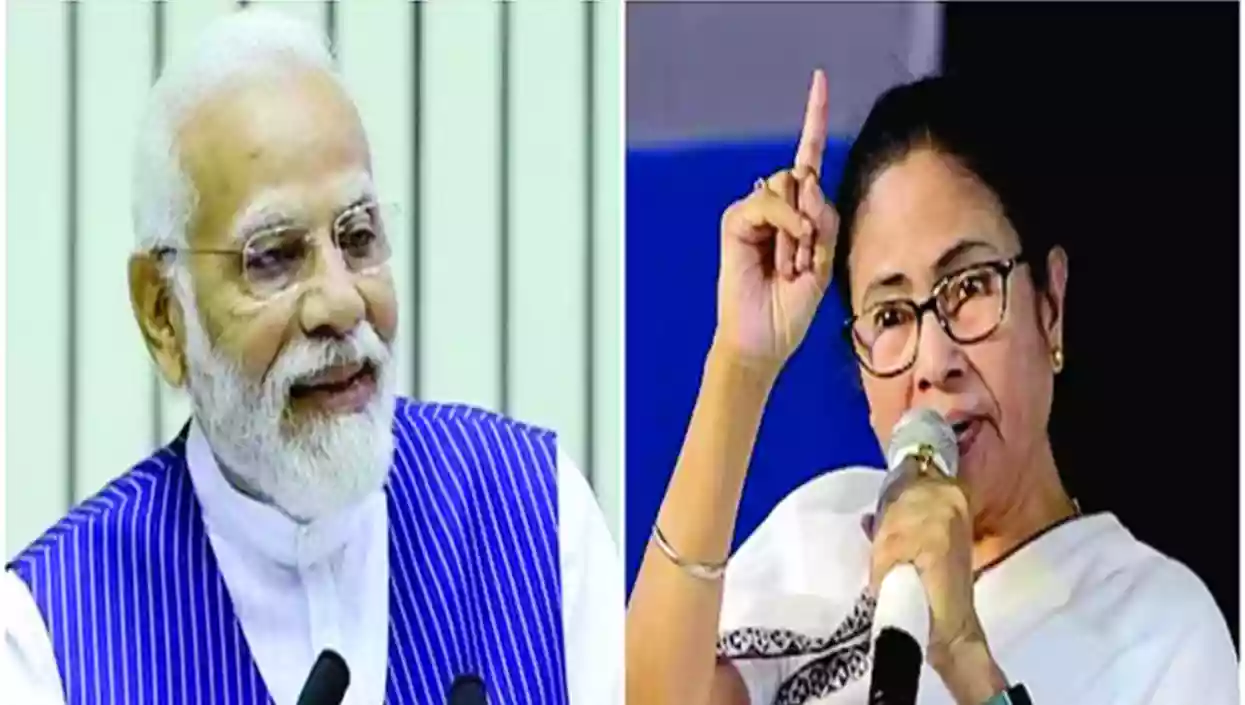
The success of the Chief Minister’s Women’s Employment Scheme in the Bihar Assembly elections has given the BJP a new political formula. The direct transfer of ₹10,000 to women voters is being viewed as a decisive factor behind the BJP emerging as the largest party in the state. With this momentum, the party is now expected to replicate the strategy in upcoming state elections, including in West Bengal, where it had previously performed strongly but failed to form the government.
If implemented in Bengal, such a women-centric cash assistance scheme would directly clash with the Trinamool Congress government’s long-running welfare programmes. West Bengal already operates three major schemes—Kanyashree, Rupashree and Lakshmi Bhandaar—that provide direct financial support to women and girls from economically weaker families. These schemes have a large voter base and are central to the TMC’s welfare identity.
Kanyashree, launched in 2013, continues to be one of the state’s flagship initiatives. It provides ₹1,000 annually to girls aged 13–18, a one-time grant of ₹25,000 for girls aged 18–19 pursuing higher studies, and monthly stipends of ₹2,000–₹2,500 for unmarried women pursuing arts or science. Over one crore beneficiaries have received support so far, with ₹593.51 crore allocated this fiscal year. Rupashree, introduced in 2018–19, offers ₹25,000 to families at the time of their daughters’ marriage. More than 6 lakh girls benefit from the scheme annually, with ₹504.25 crore disbursed in 2024–25.
Lakshmi Bhandaar, launched in 2021, is among the largest direct benefit programmes in the state, with beneficiaries increasing from 1.98 crore to 2.21 crore in 2024–25. The government now provides ₹1,200 a month to SC/ST women and ₹1,000 to women in the general category. The state spent ₹19,385.39 crore on the scheme last year. For 2025–26, the government has proposed ₹38,762.03 crore for the Department of Women and Child Development and Social Welfare, a significant jump from the previous year’s ₹26,590.45 crore.





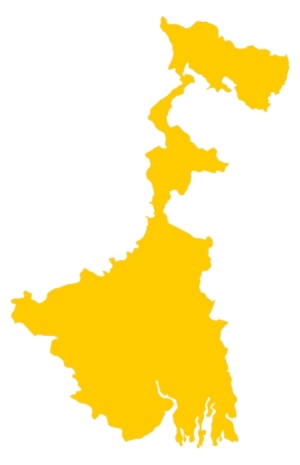 West Bengal
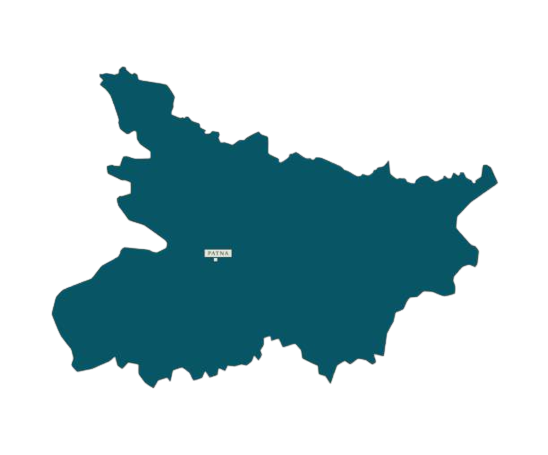 Bihar
Bihar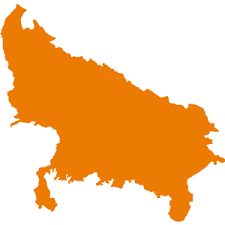 Uttar Pradesh
 Jharkhand