.gif)

Download Mobile App 







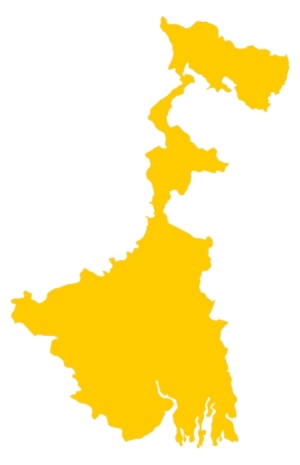
Once a lively corner of Madhyamgram Municipality Ward 3, Mathpara village has turned into a ghost town almost overnight. Over 100 families who used to live in the narrow lanes have packed up and disappeared, leaving behind empty homes, locked doors, and stunned neighbours. Most residents were daily-wage workers – rag-pickers, waste collectors, and helpers – who had made West Bengal their home for decades. They used to have ration cards, voter IDs, and all regular benefits, but the ongoing Special Intensive Revision (SIR) of voter lists has suddenly made them feel unsafe.
The problem started when SIR process started and they need a proof from the 2002 voter list. To stay on the new list, a person or their parents or grandparents needed to be on that old roll. When many Mathpara families checked, they found no trace of their names or their ancestors’ names. Fearing questions about citizenship and possible police action, entire households quietly left in the dark of night. Neighbours say trucks and vans arrived after midnight and within hours the bustling bustee fell silent.
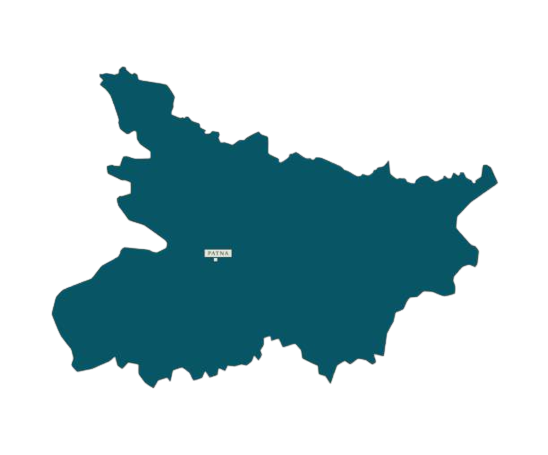
Local people are shocked but not surprised. “They were scared,” said one resident. “Nobody knows exactly where they went – some say Assam, some say Bihar, some crossed the border.” Madhyamgram municipality now faces a strange situation: a whole ward with almost no voters left to count. Political parties are watching closely as the SIR process meant to clean voter lists has instead emptied an entire neighbourhood, raising fresh questions about how the exercise is being handled on the ground.





 West Bengal
 Bihar
Bihar Uttar Pradesh
 Jharkhand