
Bengal Govt elevates IPS Ajay Mukund Ranade to DGP (Law and Order)
.gif)

Download Mobile App 







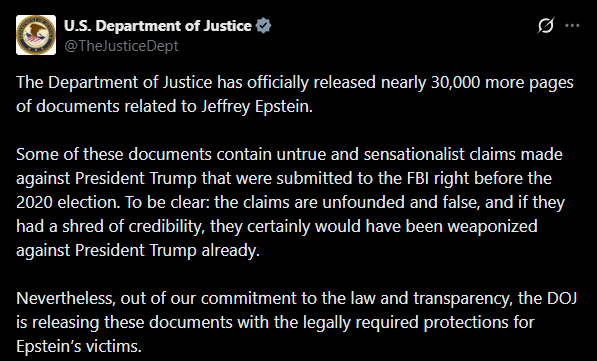
The U.S. Department of Justice (DOJ) released a fresh batch of approximately 30,000 pages of documents on Tuesday as part of the ongoing disclosure under the Epstein Files Transparency Act. These records include an unverified FBI case file from October 2020 containing a rape allegation against Donald Trump. The claim, which suggests an incident occurring decades ago, was part of raw tips submitted to federal investigators. However, the DOJ took the unusual step of a public defense, explicitly labeling these specific allegations as "untrue and sensationalist."
In a statement posted on social media platform X, the Justice Department clarified that these claims lack any credible basis and were submitted to the FBI shortly before the 2020 presidential election. The department emphasized that the presence of an allegation within the investigative files does not validate it as factual. "If they had a shred of credibility, they certainly would have been weaponized against President Trump already," the department noted, reinforcing that no formal investigation or suspicion of wrongdoing by Trump was ever established by federal agents.
The latest document dump also includes internal emails from 2020 suggesting that Trump traveled on Jeffrey Epstein’s private jet at least eight times between 1993 and 1996—more than previously reported. Some of these flights reportedly included Epstein’s accomplice, Ghislaine Maxwell. While the files highlight a social connection during the 1990s, the DOJ reiterated that travel logs do not constitute proof of criminal activity. Trump has consistently maintained that he "cut ties" with Epstein long before the financier's 2019 arrest.
In addition to the Trump-related mentions, the DOJ identified a letter purportedly written by Epstein to convicted abuser Larry Nassar as a "fake," citing handwriting discrepancies and postmarks dated after Epstein's death. This batch is the largest disclosure yet under the new transparency law signed by Trump last month. While Democrats have accused the administration of "selective concealment" due to heavy redactions, the Justice Department maintains that all removals are legally required to protect the identities of Epstein's victims.




.webp)





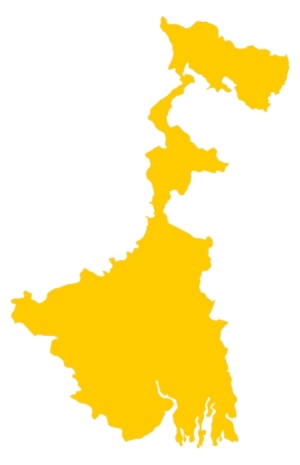 West Bengal
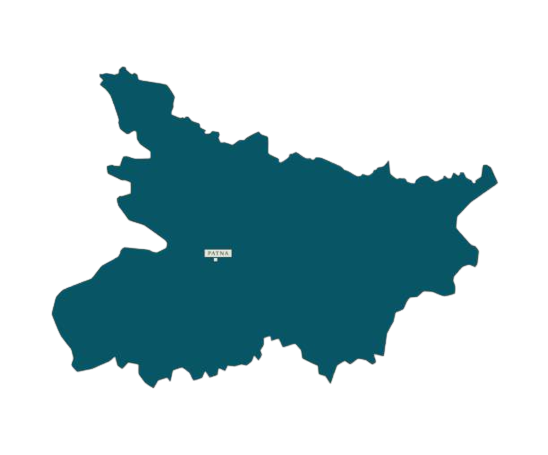 Bihar
Bihar Uttar Pradesh
 Jharkhand