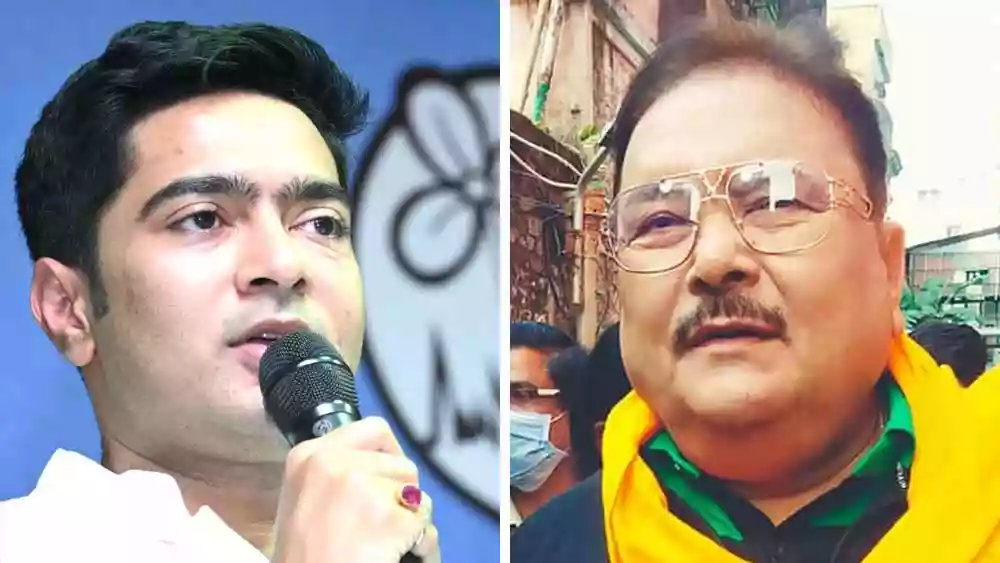
Abhishek slaps 10-crore defamation notice on Madan Mitra over 'murderer' jibe
.gif)

Download Mobile App 






The Election Commission of India (ECI) has announced a significant policy shift to assist marginalized and vulnerable groups during the Special Intensive Revision (SIR) of electoral rolls. Recognizing the immense difficulties faced by sex workers, Particularly Vulnerable Tribal Groups (PVTGs), and residents of ashrams (monks), the Commission has decided to conduct hearings at their doorsteps or places of residence. This move aims to ensure that no eligible citizen is disenfranchised due to a lack of traditional documentation or social complexities.
Many sex workers lose contact with their families and struggle to provide ancestral records, while tribal communities in remote areas often lack the paperwork needed to establish a link with older voter lists. Similarly, monks residing in ashrams frequently face technical glitches, such as having the same spiritual leader's name listed as the father's name for multiple individuals. To solve these issues, Senior Deputy Election Commissioner Gyanesh Bharti stated that officials will now visit these specific locations, villages, or institutions to verify identities in person.
In a major relaxation of rules, the Commission clarified that if an individual from these groups cannot prove a link to the 2002 voter list, District Election Officers (DEOs) will instead conduct on-site inspections. These officers will record relevant evidence, interact with local Booth Level Agents (BLAs), and even video-record the proceedings to create a valid proof of residency. This humanized approach is designed to bridge the gap created by rigid bureaucratic requirements that previously threatened to exclude thousands of marginalized voters.
This decision comes after sustained pressure from political quarters, including the ruling Trinamool Congress, and appeals from various NGOs working with sex workers. Organizations had written to the Chief Electoral Officer (CEO) of Bengal, Manoj Agarwal, highlighting the ground-level distress caused by the SIR process. Political observers view this as a necessary intervention by the ECI to maintain a fair and inclusive democratic process ahead of the crucial 2026 Assembly elections.



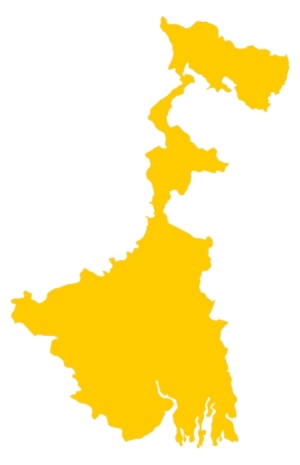 West Bengal
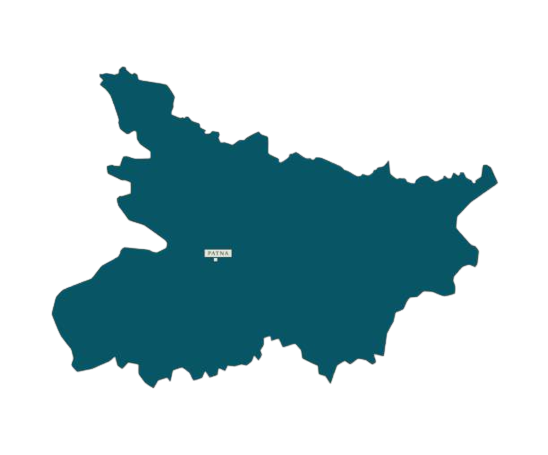 Bihar
Bihar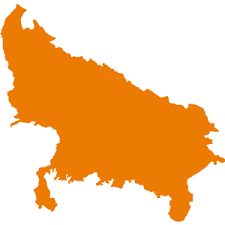 Uttar Pradesh
 Jharkhand