
Abhishek slaps 10-crore defamation notice on Madan Mitra over 'murderer' jibe
.gif)

Download Mobile App 







The Indian Space Research Organisation (ISRO) faced a major heartbreak on Monday as its first mission of 2026, the PSLV-C62, ended in failure. The Polar Satellite Launch Vehicle, which was on its 64th flight, took off majestically at 10:18 AM from Sriharikota. While the first two stages performed nominally, a critical technical anomaly was detected towards the end of the third-stage (PS3) burn. Telemetry data indicated a sudden disturbance in roll rates and a significant deviation from the planned trajectory.
The failure is a massive blow to India's strategic and commercial space interests. The primary payload, 'Anvesha' (EOS-N1), was an advanced hyperspectral imaging satellite developed for DRDO to boost border surveillance. Along with it, 15 other satellites from various international and domestic startups—including those from Spain, Nepal, and Brazil—were on board. All 16 payloads are now feared to have been lost as they failed to reach the required orbital velocity and altitude.
ISRO Chairman V. Narayanan confirmed the mission's unsuccessful status shortly after the incident. "The performance of the vehicle was expected until the end of the third stage. However, a deviation in the flight path was observed thereafter," he stated. This incident marks a rare but significant setback for the PSLV, often called ISRO's "workhorse," and brings back memories of the PSLV-C61 failure in 2025 which suffered a similar third-stage issue.
A Failure Analysis Committee (FAC) has been constituted to investigate the root cause of the anomaly. Scientists at the Mission Control Centre are currently analyzing the vast amount of telemetry data to understand whether the issue was due to a motor casing failure, nozzle disturbance, or a control system glitch. The setback is expected to impact ISRO's busy 2026 launch schedule as the agency works to regain its legendary success rate.






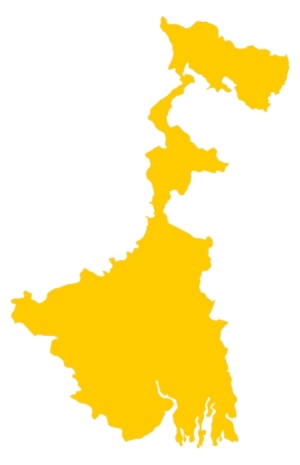 West Bengal
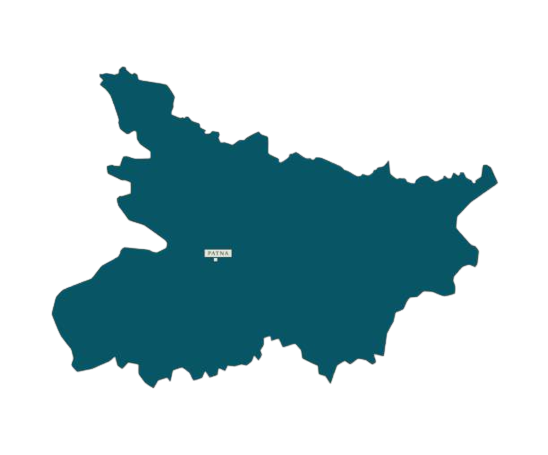 Bihar
Bihar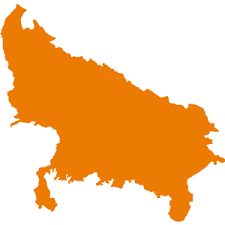 Uttar Pradesh
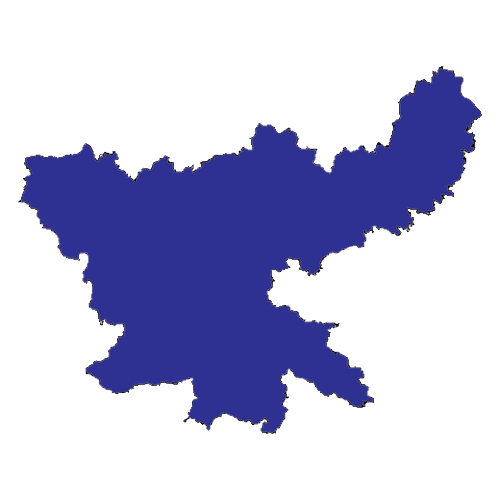 Jharkhand