.gif)

Download Mobile App 






.webp)
India and the European Union (EU) achieved a monumental milestone on Tuesday by finalizing a comprehensive Free Trade Agreement (FTA), aptly branded as the "Mother of All Deals." The agreement was sealed at New Delhi’s Hyderabad House in the presence of Prime Minister Narendra Modi, European Commission President Ursula von der Leyen, and European Council President António Costa. This landmark pact effectively ends an 18-year negotiation deadlock, uniting two of the world's largest economies into a strategic trade alliance covering nearly one-third of global trade.
Under the terms of the agreement, India has committed to drastic tariff reductions on high-end European imports. The import duty on luxury cars will plummet from 110% to just 10%, subject to an annual cap of 2.5 lakh vehicles. Additionally, taxes on European wine, beer, and spirits will be significantly slashed, making these premium products more accessible in the Indian market. In a boost for consumers, duties on olive oil, fruit juices, and various processed foods have been completely abolished, ensuring direct price benefits for the Indian public.
The industrial sector is set for a major transformation as over 90% of EU products will now enter India with zero or significantly reduced tariffs. Key sectors such as machinery, chemicals, and pharmaceuticals will benefit from these cuts, fostering deeper industrial integration. Beyond traditional trade, the EU has pledged €500 million (approximately ₹4,500 crore) over the next two years to support India’s transition toward green energy and reduced greenhouse gas emissions. This financial cooperation highlights the strategic nature of the deal, extending into climate action and sustainable growth.
Small and Medium Enterprises (SMEs) and the digital economy also find a dedicated focus in the agreement. New legal frameworks for digital trade and intellectual property rights—including trademarks and copyrights—will ensure a secure environment for online businesses. With the creation of specialized SME contact centers, the deal aims to simplify cross-border trade for smaller players who were previously deterred by complex regulations. This holistic approach is expected to drive innovation and create millions of new jobs across both continents.



.webp)
.webp)

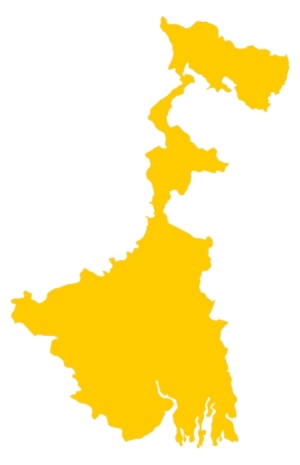 West Bengal
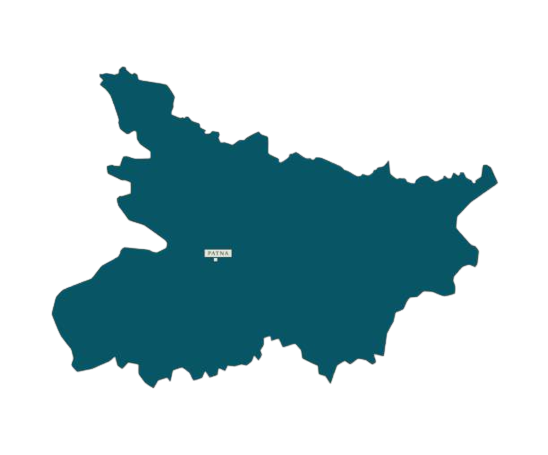 Bihar
Bihar Uttar Pradesh
 Jharkhand