West Indies cricket legend Gary Sobers passes away; was first to smash 6 sixes in 6 balls
.gif)

Download Mobile App 







In a significant show of opposition unity, Samajwadi Party (SP) chief Akhilesh Yadav met West Bengal Chief Minister Mamata Banerjee at the state secretariat, Nabanna, on Tuesday. The high-profile meeting, lasting nearly 40 minutes, focused on the controversial Special Intensive Revision (SIR) of electoral rolls. Flanked by Banerjee, Yadav launched a scathing attack on the BJP, describing the ongoing voter list exercise as a "digital robbery" designed to disenfranchise opposition voters. He alleged that the SIR is a covert attempt to implement a National Register of Citizens (NRC) style purge, particularly targeting vulnerable sections in both West Bengal and Uttar Pradesh.
Lending his full weight to Banerjee ahead of the 2026 West Bengal Assembly elections, Yadav praised her for successfully countering the "onslaught" of central agencies. He remarked that "Didi has defeated the ED," referring to recent confrontations between the state government and federal probe agencies at I-PAC offices. Yadav asserted that the BJP's eventual defeat in Bengal is inevitable and that the saffron party is currently fighting only for a "respectable loss." He emphasized that Mamata Banerjee remains the most potent force in the country capable of standing up to the BJP’s political and institutional pressures.
The meeting holds deep national implications as both leaders seek to synchronize their resistance against the SIR process. Yadav highlighted the alarming scale of voter deletions, noting that while nearly 2.89 crore names were removed in Uttar Pradesh, approximately 58 lakh have been affected in Bengal. Opposition parties have grown increasingly vocal about these "logical discrepancies," fearing a systemic exclusion of genuine voters. The coordination between the SP and Trinamool Congress (TMC) signals a broader attempt within the INDIA bloc to challenge the Election Commission's neutrality on the national stage.
As Mamata Banerjee prepares for an upcoming visit to New Delhi, political observers view this interaction as a crucial step in shaping a unified national strategy for the 2026 polls. The leaders called upon the Election Commission to act as a neutral constitutional body rather than an instrument of the ruling party. By framing the voter list revision as "vote theft," the opposition aims to turn the administrative exercise into a major political rallying point, potentially taking the protest to the streets of the national capital in February.



.webp)
.webp)
.webp)
.webp)
.webp)

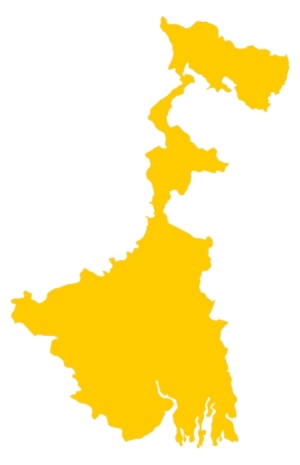 West Bengal
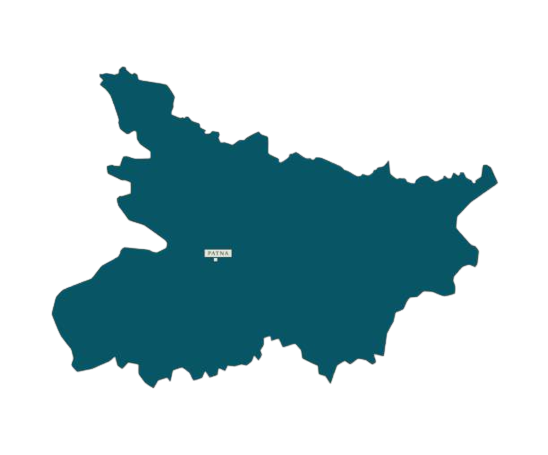 Bihar
Bihar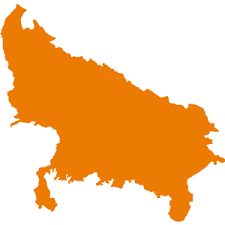 Uttar Pradesh
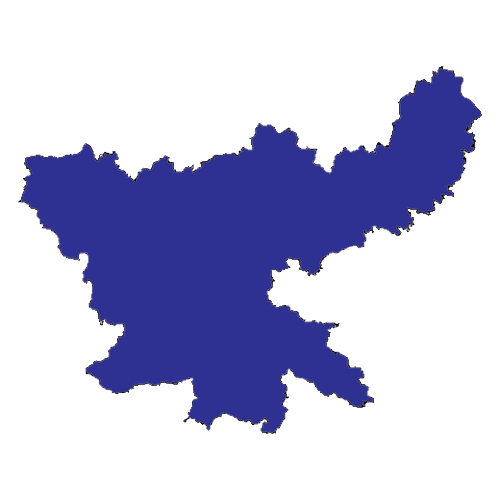 Jharkhand