.gif)

Download Mobile App 






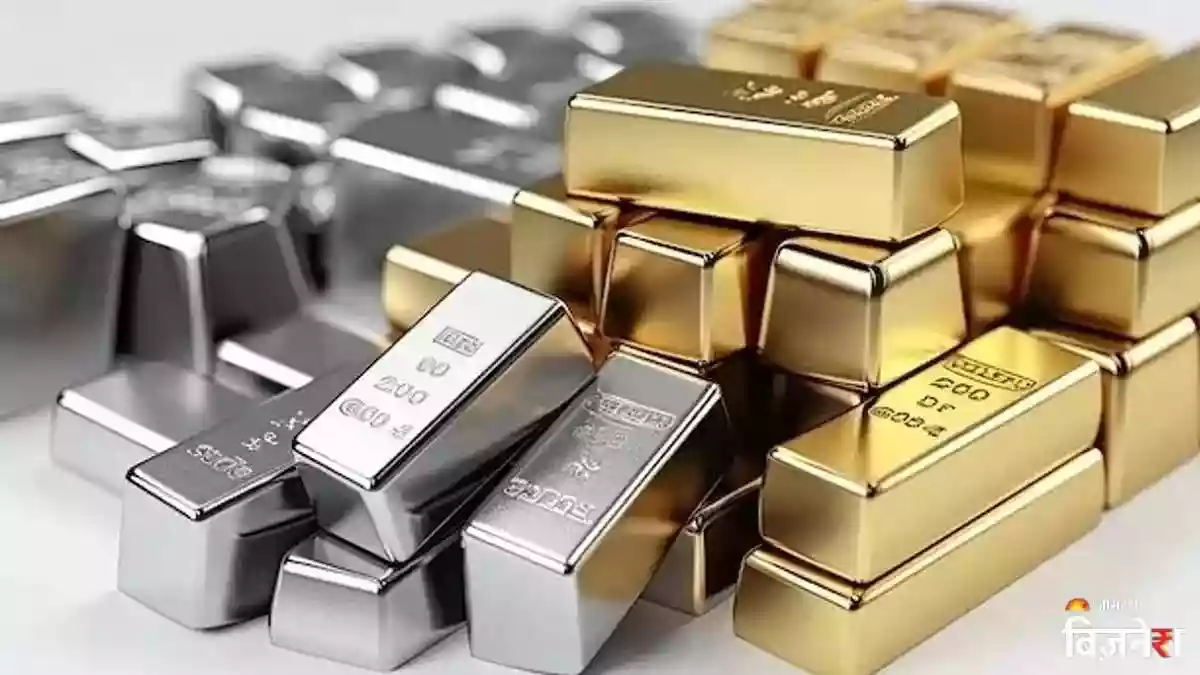
The record-shattering rally in the bullion market came to a grinding halt on Friday, January 30, 2026, as both gold and silver witnessed one of their most brutal "flash crashes" in recent history. On the Multi Commodity Exchange (MCX), gold prices tumbled by over 4%, retreating from a lifetime high to hit a session low of ₹1,75,100 per 10 grams. Silver fared even worse, experiencing a staggering vertical drop of ₹56,500 from its peak of ₹4,20,000, crashing to ₹3,63,500 per kg. This sudden volatility has sent shockwaves through the investor community, effectively erasing billions in paper wealth in just a few hours of trading.
The primary catalyst for this massive reversal was a sudden shift in global sentiment fueled by rumors that U.S. President Donald Trump intends to nominate a "hawkish" successor—widely speculated to be former governor Kevin Warsh—to lead the Federal Reserve. A hawkish Fed suggests a future of higher interest rates, which directly strengthens the U.S. Dollar and reduces the appeal of non-yielding assets like gold and silver. This was compounded by a broader sell-off in global equity markets, particularly in U.S. tech giants, which forced investors to liquidate their winning positions in precious metals to cover losses elsewhere.
Market analysts describe this crash as a "healthy but painful" correction, noting that the metals had entered an extreme "overbought" zone after silver surged nearly 60% in January alone. The sudden rebound of the U.S. Dollar Index from its recent lows of 96 further pressured domestic prices, making the metals more expensive for Indian buyers. While the long-term outlook remains supported by geopolitical tensions and supply deficits, the current "peak euphoria" has clearly broken, leading to aggressive profit-booking by both institutional and retail players.









 West Bengal
 Bihar
Bihar Uttar Pradesh
 Jharkhand