No eviction drive in Burrabazar & College Street, clarifies KMC Commissioner
.gif)

Download Mobile App 






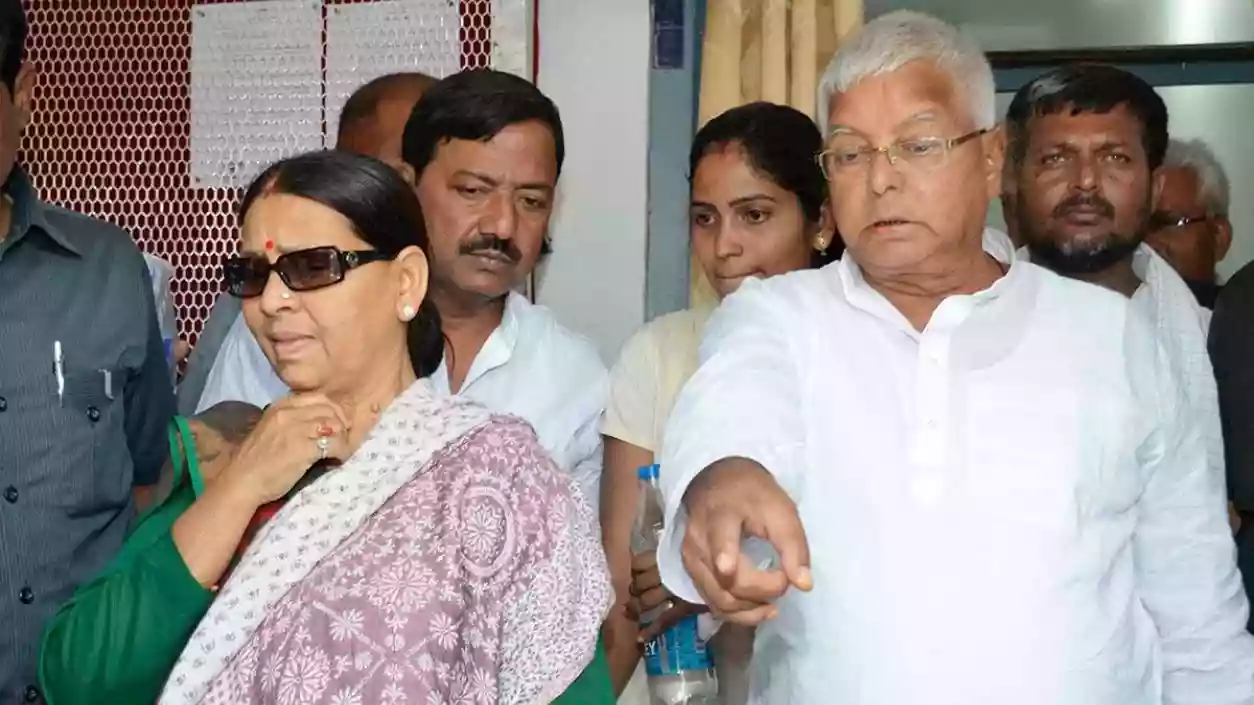
Rashtriya Janata Dal chief Lalu Prasad Yadav and former Bihar Chief Minister Rabri Devi on Monday pleaded not guilty in the alleged Railways land-for-job corruption case and said they would face trial. Appearing before the Special CBI Court at Rouse Avenue in Delhi, the couple denied charges of criminal conspiracy, cheating and corruption, opting to contest the case on merits. The court has fixed March 9 for commencement of trial.
Special Judge Vishal Gogne formally framed charges against Lalu Prasad Yadav, Rabri Devi and several family members, observing that there was prima facie material indicating a larger conspiracy. The court noted that public employment in the Indian Railways was allegedly used as a “bargaining chip” to secure immovable properties through family members and associates. The judge remarked that the accused acted as a syndicate in what appeared to be an overarching criminal enterprise.
The case pertains to alleged irregularities between 2004 and 2009, when Lalu Prasad Yadav was the Union Railway Minister. According to the charge sheet, Group D jobs in the Railways were allegedly provided in exchange for land parcels transferred at below-market rates, often through cash transactions. The Central Bureau of Investigation registered the case in May 2022 and filed multiple charge sheets, naming over 100 accused.
Of the 98 surviving accused, charges have been framed against 46 persons, including members of Lalu Prasad Yadav’s family, while 52 accused — including several Chief Personnel Officers and railway officials — were discharged. Proceedings against five accused abated due to their deaths during the course of the case.
During arguments, counsel for Lalu Prasad Yadav termed the case politically motivated and argued that there was no evidence linking railway appointments to land transactions. It was contended that the lands were purchased through valid sale deeds and that no recommendations were made for jobs. Rabri Devi’s counsel similarly argued that buying land for money was not a crime. The court, however, held that there was sufficient ground to proceed to trial.


.webp)







 West Bengal
 Bihar
Bihar Uttar Pradesh
 Jharkhand