
Abhishek slaps 10-crore defamation notice on Madan Mitra over 'murderer' jibe
.gif)

Download Mobile App 






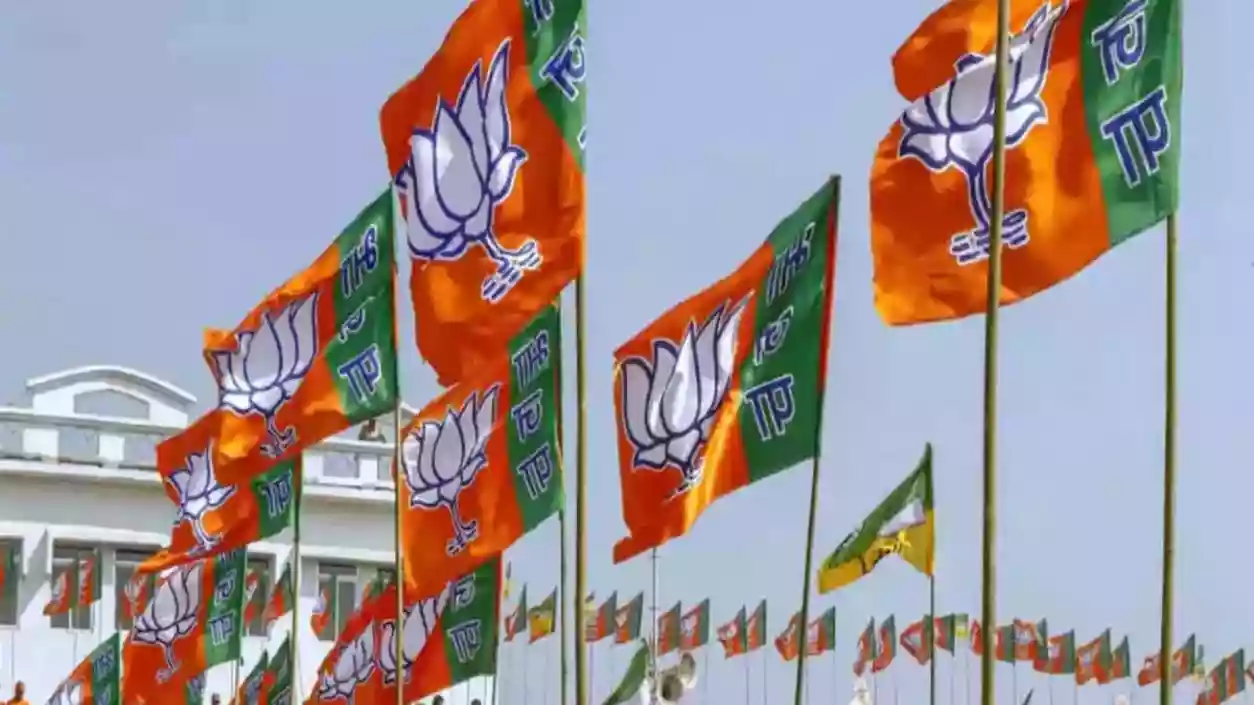
In a significant strategic shift ahead of the 2026 Assembly elections, the Bharatiya Janata Party (BJP) has decided that its central leaders will not deliver speeches in Hindi at election rallies in West Bengal. The move is aimed at countering the “outsider” narrative advanced by the All India Trinamool Congress and reinforcing the party’s engagement with Bengali identity and regional sentiment.
According to senior party leaders, the decision is rooted in the understanding that language forms the strongest emotional bridge with voters in the state. Under the new plan, central leaders will either address rallies in Bengali or use interpreters to ensure their messages are conveyed in the local language. The leadership believes that demonstrating respect for Bengali culture, traditions and language is essential in the current political climate.
The shift comes amid sustained attacks from Chief Minister Mamata Banerjee, who has repeatedly portrayed the BJP as a Hindi-speaking North Indian party disconnected from Bengal’s ethos. She has also used sharp phrases such as “linguistic terror” to criticise the party, framing the electoral contest as one of “Bengali versus outsider.”
Within the BJP, there is also discussion about incorporating Bengali quotations from icons such as Rabindranath Tagore, Subhas Chandra Bose and Swami Vivekananda during campaign speeches. Strategists see this as part of a broader attempt to align the party’s national messaging with regional aspirations.
Political observers describe the move as a calculated risk. While it may help the BJP connect more directly with Bengali voters, it also underscores the party’s recognition of the potency of identity politics in the state. As the 2026 electoral battle approaches, the linguistic pivot is being viewed as a key element of the BJP’s broader strategy to reshape its image in Bengal.




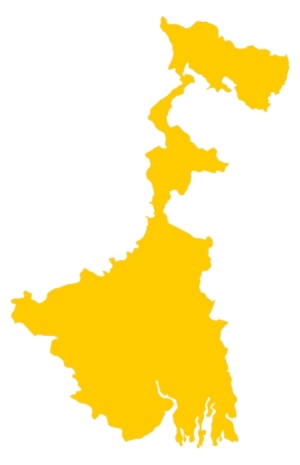 West Bengal
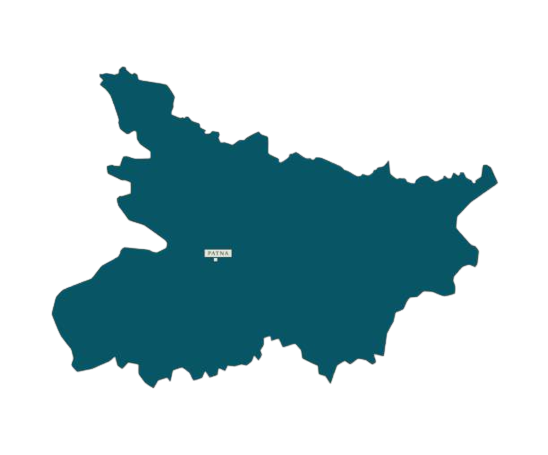 Bihar
Bihar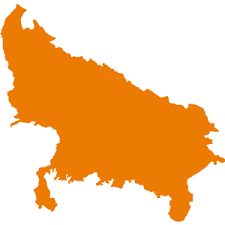 Uttar Pradesh
 Jharkhand