
Court sends Councilor Mahesh Sharma to 6-day police custody in extortion case
.gif)

Download Mobile App 






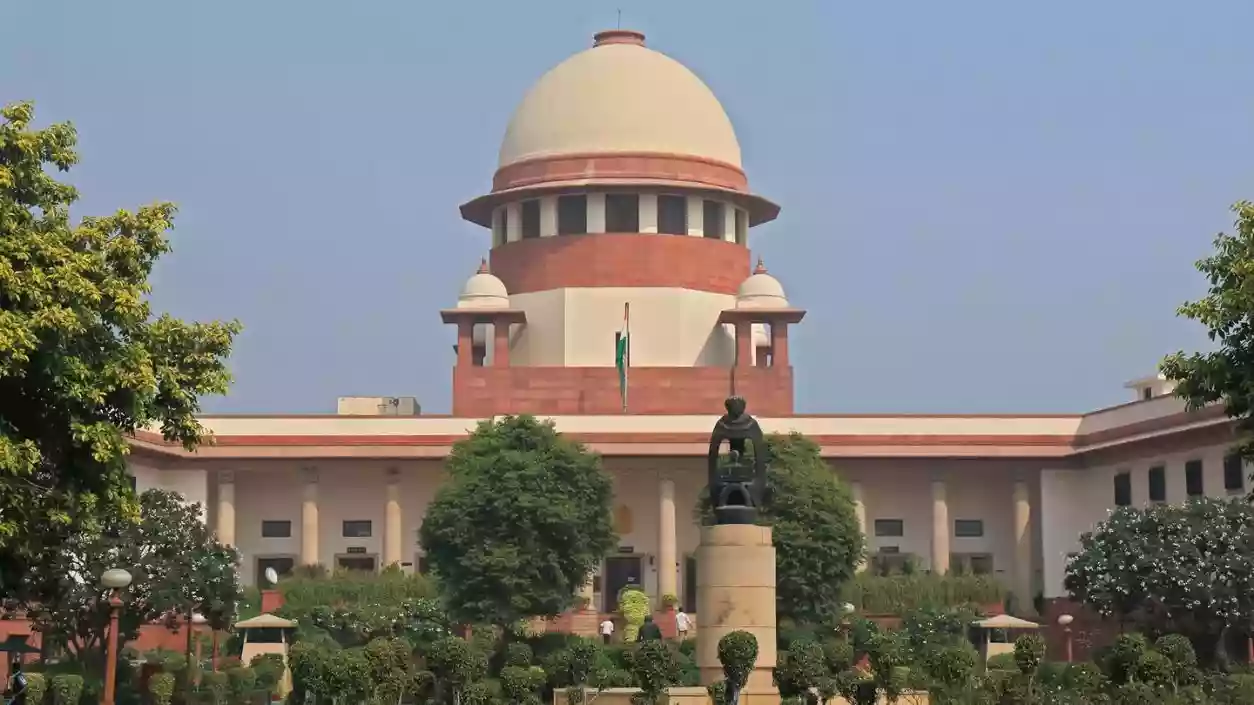
In an extraordinary intervention ahead of the West Bengal assembly elections, the Supreme Court invoked its special powers under Article 142 of the Constitution and directed the Election Commission of India (ECI) to continue publishing supplementary electoral rolls even after the final list is notified on February 28. The court ruled that voters included in such supplementary lists will be deemed part of the final roll, ensuring that no eligible elector is disenfranchised due to pending verification under the special intensive revision (SIR).
A bench comprising the Chief Justice of India and two other judges noted that nearly eight million cases under categories such as “logical discrepancies” and “unmapped category” required adjudication. Over 250 district and additional district judges are currently handling close to five million claims and objections. The court observed that even at a disposal rate of 250 cases per day per officer, the exercise would extend far beyond the February 28 deadline.
To expedite the process, the court permitted the Chief Justice of the Calcutta high court to draw additional judicial officers, including serving and retired judges, from the high courts of Jharkhand and Odisha. The Election Commission has been directed to bear the travelling and related expenses of these officers. The bench described the situation as extraordinary and said such measures were necessary to preserve the fairness and sanctity of the electoral roll.
Clarifying the legal position, the court said that while February 28 remains the last date for publication of the final roll, supplementary lists may be issued continuously as verification is completed. By invoking Article 142, the court effectively relaxed the statutory bar that ordinarily prevents inclusion of voters less than 10 clear days before nominations, stating that the power was exercised to “do complete justice.”
The court emphasised that concerns regarding wrongful deletions and fears of bogus entries must both be addressed. With the West Bengal assembly’s term ending on May 7 and the SIR exercise involving over 13.6 million flagged electors, the scale of pending work has raised questions about synchronising polls with other states. The bench said its directions aim to ensure a fair process while safeguarding the purity of the electoral roll.


.webp)






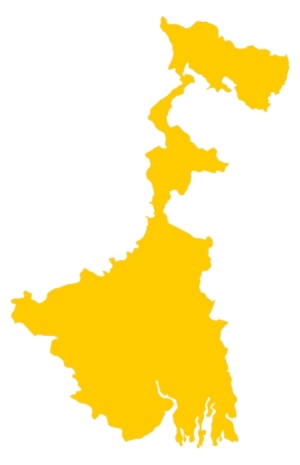 West Bengal
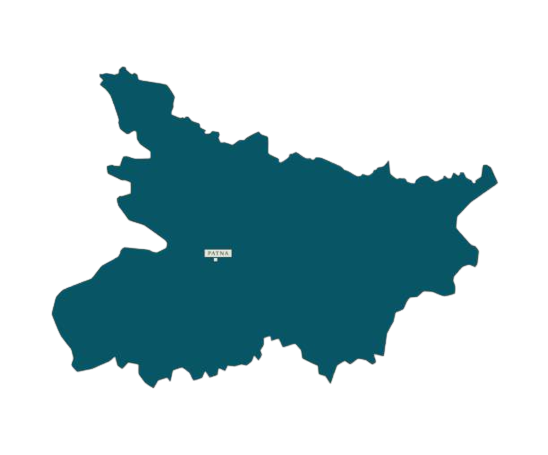 Bihar
Bihar Uttar Pradesh
 Jharkhand