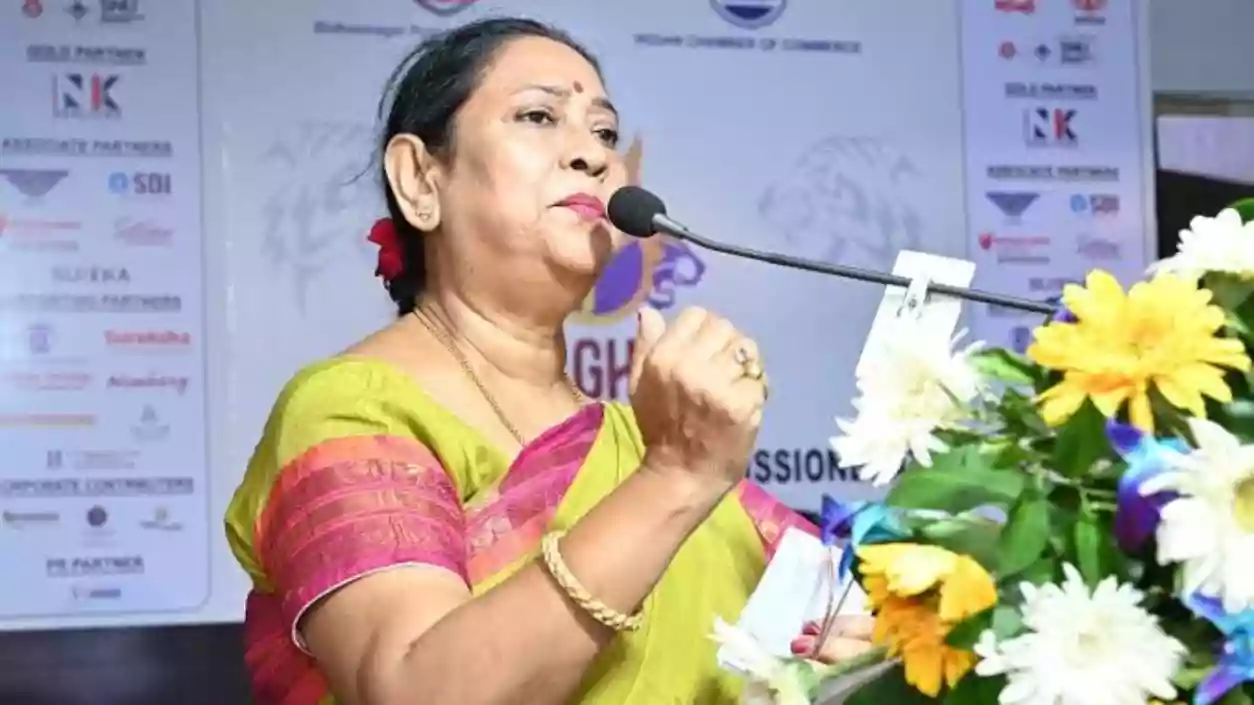
Bidhannagar Mayor Krishna Chakraborty resigns, another massive blow to TMC
.gif)

Download Mobile App 






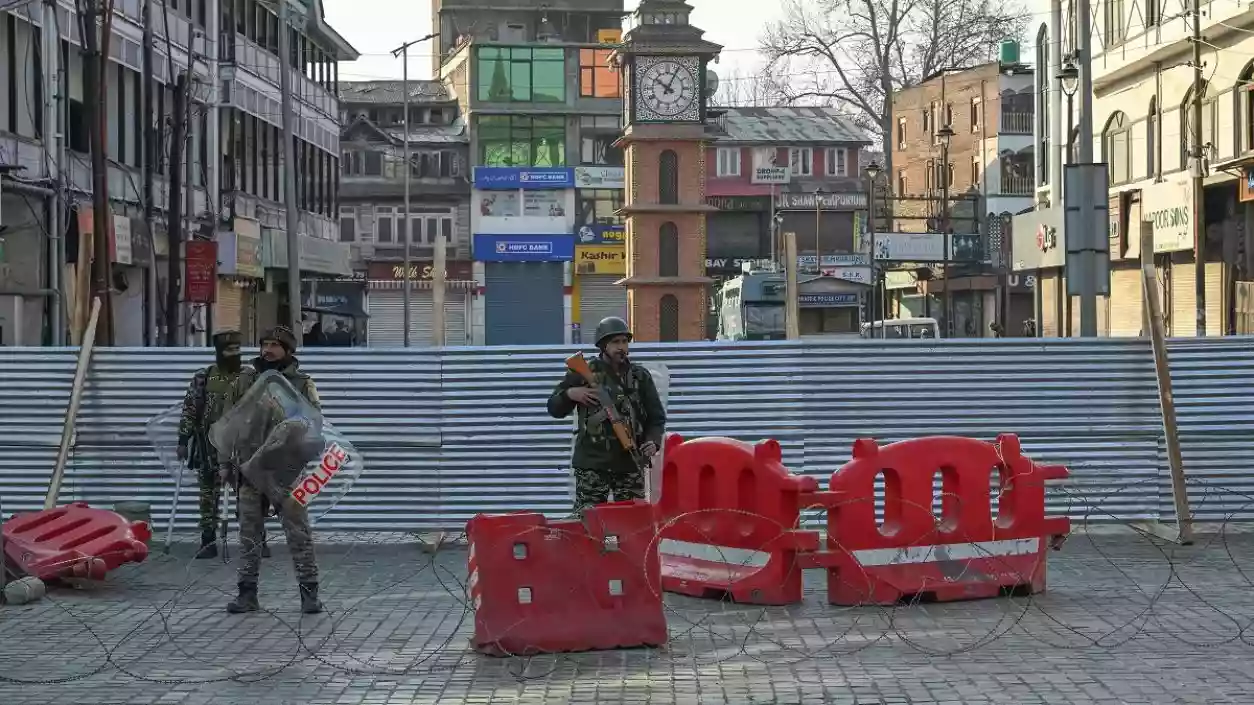
Security restrictions remained in force across several parts of Kashmir for the fifth consecutive day following protests over the killing of Iran’s Supreme Leader Ayatollah Ali Khamenei in joint U.S.–Israel strikes. Authorities imposed curbs on movement and public assembly as a precautionary measure after demonstrations erupted across the Valley earlier this week.
Officials said the restrictions were first introduced on March 2 after spontaneous protests broke out a day earlier in multiple areas. Security personnel, including police and paramilitary CRPF forces, have been deployed in large numbers, while barricades and concertina wires have been placed at key intersections to prevent gatherings and maintain law and order.
The iconic Lal Chowk area in Srinagar, particularly the Ghanta Ghar clock tower, remains sealed after it witnessed large protests on March 1 following news of Khamenei’s death. Authorities closed educational institutions until March 7 and also reduced mobile internet speeds as part of preventive measures.
Chief Minister Omar Abdullah held meetings with civil society members and religious leaders in Srinagar to restore normalcy. He urged people to maintain peace while expressing their grief and anger in mosques, shrines and Imambaras rather than through protests on the streets.
Officials said the administration is closely monitoring the situation and restrictions may be reviewed after Friday prayers. The protests mark the first time since the revocation of Article 370 in August 2019 that such large-scale demonstrations have taken place in the Kashmir Valley.




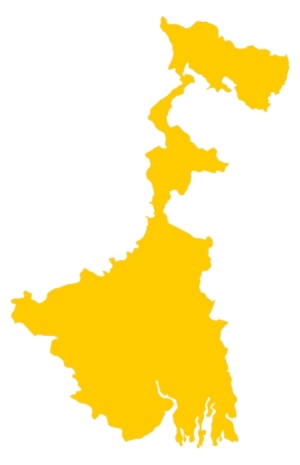 West Bengal
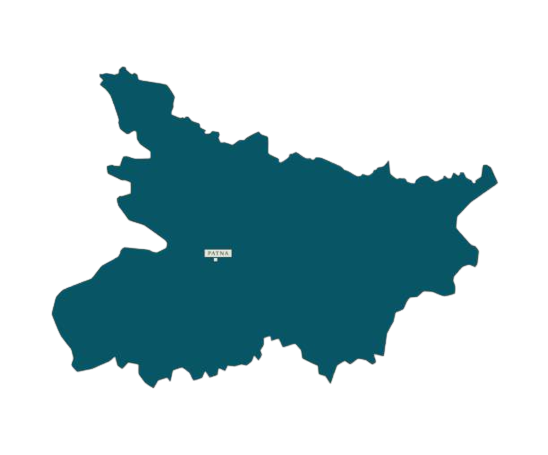 Bihar
Bihar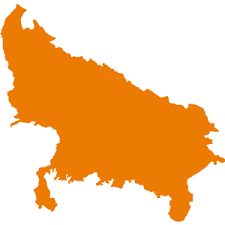 Uttar Pradesh
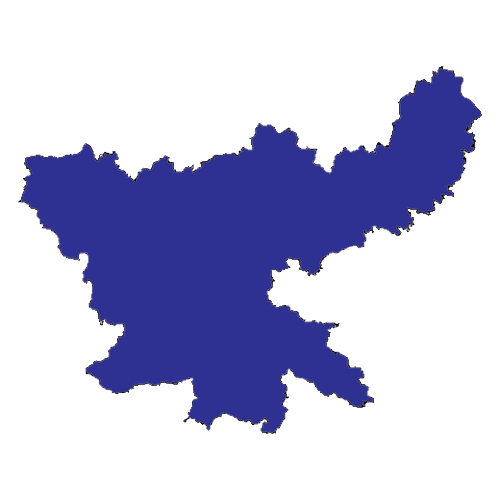 Jharkhand