
Abhishek slaps 10-crore defamation notice on Madan Mitra over 'murderer' jibe
.gif)

Download Mobile App 






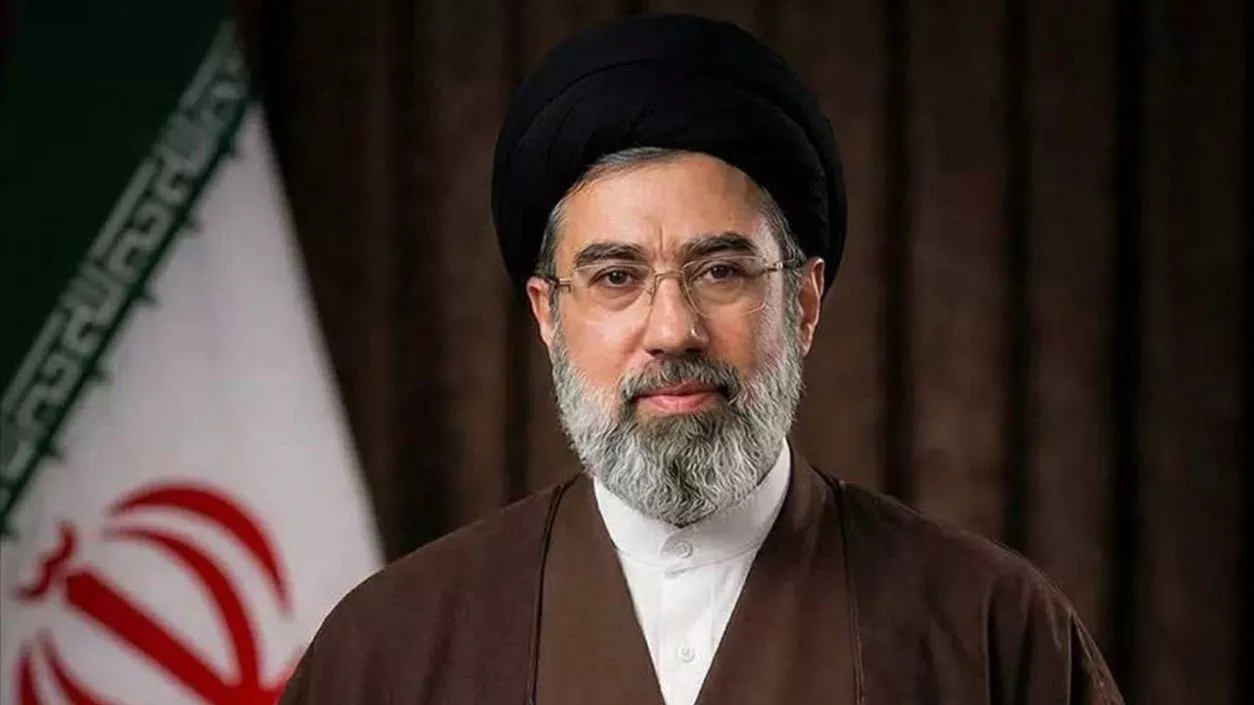
Iran’s new Supreme Leader Mojtaba Khamenei was reportedly not his father Ayatollah Ali Khamenei’s preferred successor, with claims emerging that the late leader had explicitly opposed the idea in his will. According to reports, Ali Khamenei had written that Mojtaba should not be named as his successor, raising fresh controversy over the leadership transition in Tehran.
Mojtaba Khamenei assumed the country’s highest religious and political office on March 8, days after the assassination of his father in US–Israel strikes on February 28. The development placed the 56-year-old cleric at the helm of Iran despite reports of internal disagreement among senior political and religious figures over his elevation.
Sources linked to Iranian opposition groups have claimed that the late Supreme Leader did not consider Mojtaba a suitable candidate for the role. The alleged contents of the will indicate that Ali Khamenei had reservations about his son’s leadership credentials and wanted the succession process to follow established procedures.
Despite these reported concerns, Mojtaba’s rise to power is believed to have received strong backing from the Islamic Revolutionary Guard Corps (IRGC), one of Iran’s most influential military and economic institutions. Reports suggest that the powerful force viewed Mojtaba as a leader likely to continue the hardline policies associated with his father’s rule.
His appointment reportedly faced resistance from several senior clerics and political figures, delaying the announcement of the decision. Analysts believe the development could signal a more assertive foreign policy stance and stricter domestic control as Iran enters a new phase of leadership following the death of its long-time Supreme Leader.






.webp)

.webp)

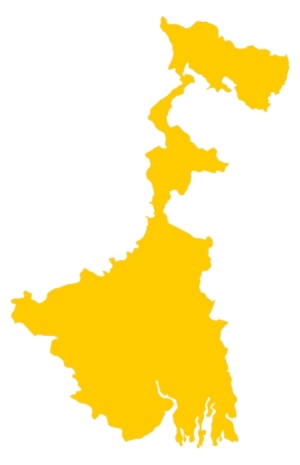 West Bengal
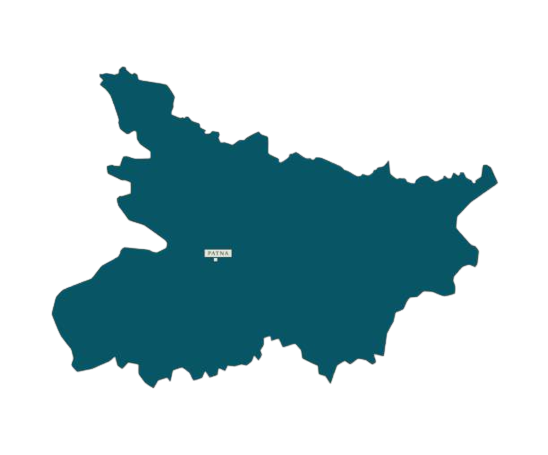 Bihar
Bihar Uttar Pradesh
 Jharkhand