
SPAIN wins FIFA World Cup 2026, beat Argentina 1-0 with goal in extra time
.gif)

Download Mobile App 






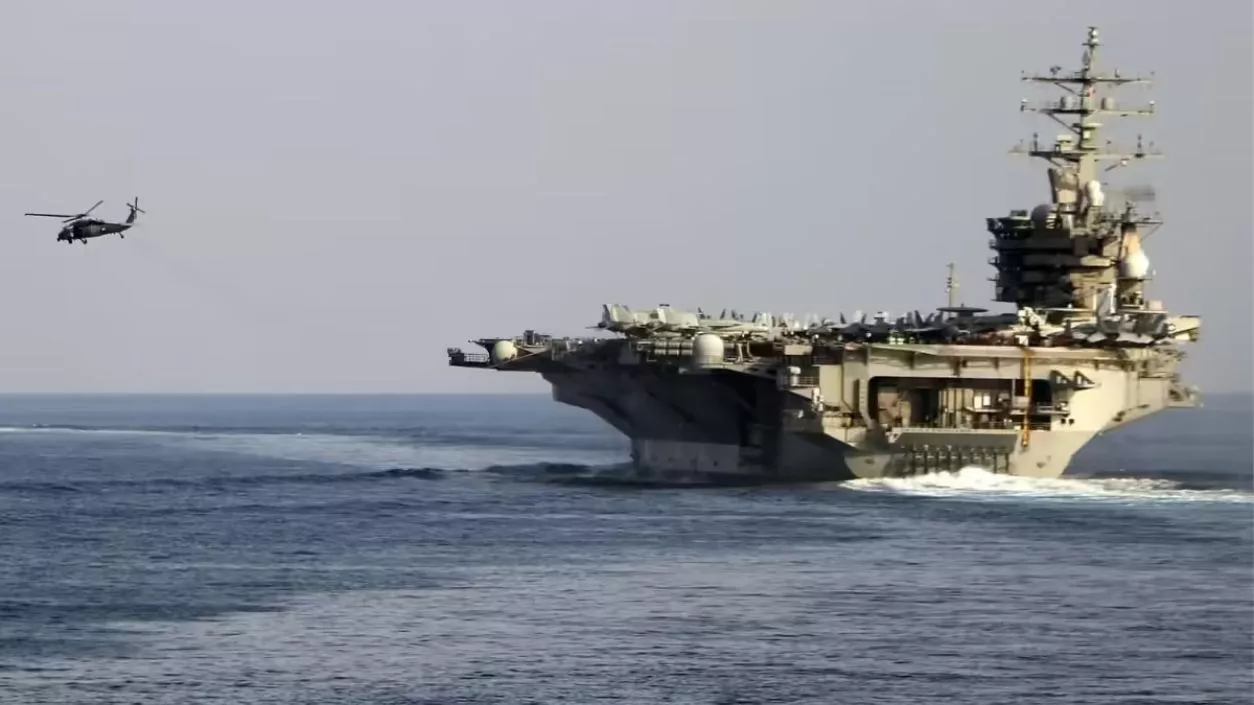
Japan, Australia and the United Kingdom have said they currently have no plans to send naval vessels to the strategically vital Strait of Hormuz despite growing pressure from Donald Trump to help secure the key global oil route. The waterway has effectively been blocked by Iran following airstrikes carried out by the United States and Israel, severely disrupting global oil shipments.
The closure of the narrow maritime corridor, through which nearly 20 per cent of the world’s oil supply normally passes, has triggered the largest oil supply disruption in history and sent global energy prices soaring. Oil prices crossed $104 per barrel amid fears of prolonged supply shortages and further escalation in the conflict.
Speaking aboard Air Force One, Trump said his administration had contacted several countries seeking naval support to escort oil tankers through the waterway. He argued that many nations depend on energy supplies transported through the strait and therefore should contribute to protecting the route. However, no country has so far committed to sending warships.
In Japan, Prime Minister Sanae Takaichi told parliament that Tokyo has not made any decision to dispatch escort ships to the Middle East, citing legal and political constraints. Defence Minister Shinjiro Koizumi also indicated that deploying Japanese forces abroad remains highly sensitive under the country’s pacifist framework, even though a large portion of Japan’s oil imports pass through the strait.
Australia and the United Kingdom have also taken cautious positions. Australian officials said no naval deployment was planned, while British authorities indicated they were considering alternative measures such as aerial minesweeping operations instead of sending warships. The developments leave Washington seeking broader international support as tensions continue to escalate in the region.







.webp)

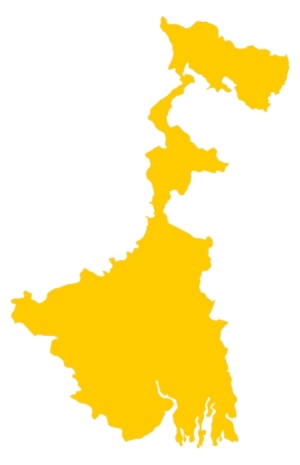 West Bengal
 Bihar
Bihar Uttar Pradesh
 Jharkhand